How Much Do Braces Cost? A Complete Guide
Introduction to Orthodontic Treatment
Orthodontic treatment is essential to the improvement of your dental health as well as the overall aesthetics of your teeth. Braces correct bite issues, tooth gaps, prevent uneven wear on teeth, and improve the appearance of your smile. Although it is a lengthy process that involves a series of appointments, patients are usually happy with the results in the long run.
Understanding Different Types of Braces
With modern orthodontic technology, there are various options for braces. From traditional metal braces to clean aligners, each type has its unique features suited for the patient’s individual needs, lifestyles, and budget. It is important to understand the benefits and potential drawbacks of each option to make an informed decision.
Traditional Metal Braces
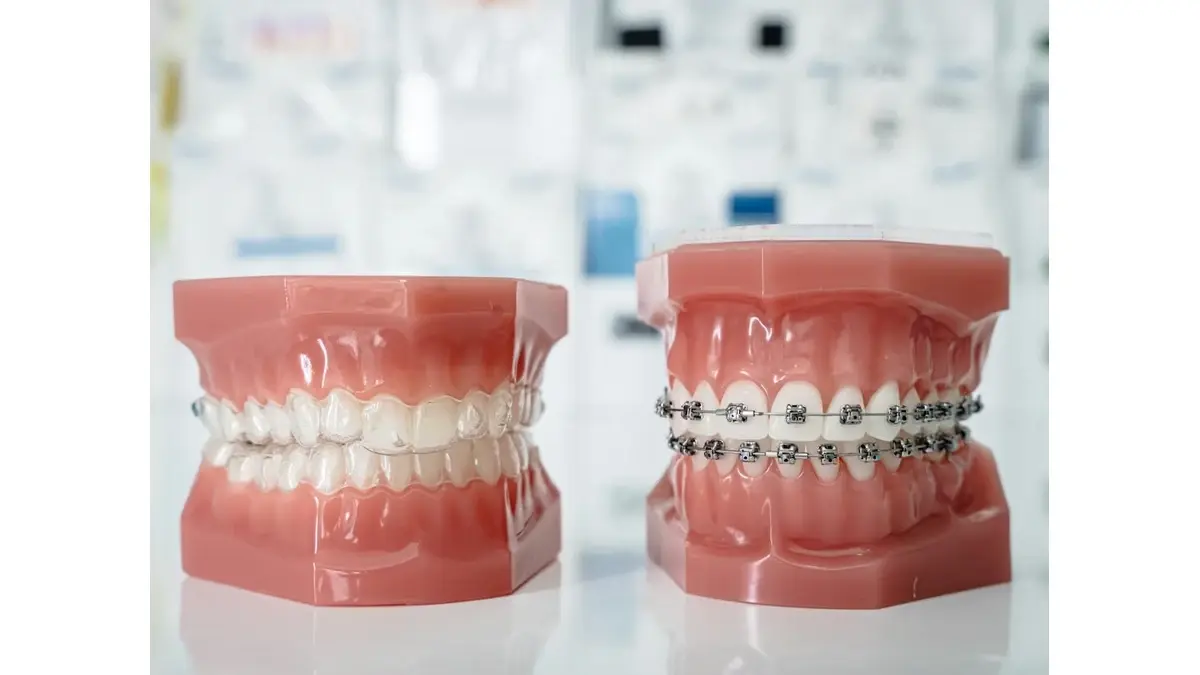
The most common option is the traditional metal braces. It consists of metal brackets, wires, and elastic bands that gradually move the teeth into their correct position. Even though they are more noticeable, patients choose this option because it is affordable, reliable, and effective in treating complex cases such as alignment or bite issues.
Ceramic Braces
Ceramic braces function the same as metal braces with their metal brackets, wires, and elastic bands. The key difference lies in its aesthetic appeal with clear or tooth-colored brackets that blend in with the teeth. Therefore, it is more costly than metal braces.
Lingual Braces
Lingual braces work similarly to traditional metal and ceramic braces, but are way more discreet. They are attached to the back of the teeth, making them invisible from the front. Because it is a complex process to customize and install, it tends to be more expensive.
Clear Aligners
Clear aligners, such as Invisalign®, are custom-made, transparent trays that gradually shift teeth into alignment. Though costly, they are very appealing to a lot of people because they are discreet, comfortable, and convenient. Because they are removable, it is easier to brush, floss, and eat compared to traditional braces.
Factors Influencing Braces Costs
How much are braces? Various factors contribute to the overall average cost of braces. It depends on the type of braces, the complexity of the treatment, geographic location, and the orthodontist's experience. All of the above play a role in determining the price. Your orthodontist will provide a personalized cost breakdown, allowing you to understand the cost and choose the option that fits your budget best.
Type of braces chosen
The type of braces you choose will be the main determining factor in the cost. Traditional metal braces are typically more affordable, while ceramic, lingual, or clear aligners tend to be more expensive due to their materials and aesthetic advantages. The results are usually the same, though the process and procedure length may vary.
Complexity of treatment
Given that each case is so unique, the treatment complexity will vary, as will the cost. Some patients will pay less because they require only minor alignment adjustments, while others will need more extensive, longer-term treatment that includes additional appointments and adjustments.
Geographic location
Geographic location has a big effect on the average cost of braces. Brace prices may vary by region, with urban areas typically costing more than rural areas. This is due to differences in competition, overhead costs, and service demand.
Orthodontist’s experience and practice
The orthodontist's experience and reputation will likely affect the cost of braces. Brace prices are an important factor to keep in mind while choosing the right orthodontist for you. Highly experienced orthodontists or those with specialized training may charge higher fees, but they often offer more efficient and effective treatment with greater patient satisfaction.
Payment Options and Financial Assistance
It is important to understand how much braces are, but even though they can be expensive, most dental insurance plans will cover up to 50%. Through Flexible Spending Accounts (FSAs) or Health Savings Accounts (HSAs), patients can also use pre-tax dollars to reduce out-of-pocket expenses. Additionally, many orthodontic offices offer flexible payment options and financial assistance to help reduce costs.
Choosing the Right Orthodontist
Choosing the right orthodontist is not just about cost but also about their qualifications, patient reviews, and office environment. When looking for an orthodontist who best fits your braces needs, make sure you feel comfortable with their bedside manner, that they provide excellent follow-up care, and that they are transparent about the cost and treatment duration.
FAQs About Braces Costs
How long does orthodontic treatment usually take?
You can expect treatments to last 18 to 24 months, but complex cases can take up to 3 years. Clear aligners are usually faster for mild alignment issues.
How much are braces for adults?
In adulthood, teeth are usually more resistant to movement. Therefore, treatment takes longer and is more costly.
Can I get braces for less than $3,000?
It is definitely possible to get braces for less than $3,000, but it really depends on the case. If your teeth only require minor correction, then it is totally achievable.
Are there any additional costs associated with braces?
Additional costs include diagnostic exams, X-rays, post-treatment retainers, and potential repair or replacement fees for broken brackets or lost aligners.
Introduction to Orthodontic Treatment
Orthodontic treatment is essential to the improvement of your dental health as well as the overall aesthetics of your teeth. Braces correct bite issues, tooth gaps, prevent uneven wear on teeth, and improve the appearance of your smile. Although it is a lengthy process that involves a series of appointments, patients are usually happy with the results in the long run.
Understanding Different Types of Braces
With modern orthodontic technology, there are various options for braces. From traditional metal braces to clean aligners, each type has its unique features suited for the patient’s individual needs, lifestyles, and budget. It is important to understand the benefits and potential drawbacks of each option to make an informed decision.
Traditional Metal Braces
The most common option is the traditional metal braces. It consists of metal brackets, wires, and elastic bands that gradually move the teeth into their correct position. Even though they are more noticeable, patients choose this option because it is affordable, reliable, and effective in treating complex cases such as alignment or bite issues.
Ceramic Braces
Ceramic braces function the same as metal braces with their metal brackets, wires, and elastic bands. The key difference lies in its aesthetic appeal with clear or tooth-colored brackets that blend in with the teeth. Therefore, it is more costly than metal braces.
Lingual Braces
Lingual braces work similarly to traditional metal and ceramic braces, but are way more discreet. They are attached to the back of the teeth, making them invisible from the front. Because it is a complex process to customize and install, it tends to be more expensive.
Clear Aligners
Clear aligners, such as Invisalign®, are custom-made, transparent trays that gradually shift teeth into alignment. Though costly, they are very appealing to a lot of people because they are discreet, comfortable, and convenient. Because they are removable, it is easier to brush, floss, and eat compared to traditional braces.
Factors Influencing Braces Costs
How much are braces? Various factors contribute to the overall average cost of braces. It depends on the type of braces, the complexity of the treatment, geographic location, and the orthodontist's experience. All of the above play a role in determining the price. Your orthodontist will provide a personalized cost breakdown, allowing you to understand the cost and choose the option that fits your budget best.
Type of braces chosen
The type of braces you choose will be the main determining factor in the cost. Traditional metal braces are typically more affordable, while ceramic, lingual, or clear aligners tend to be more expensive due to their materials and aesthetic advantages. The results are usually the same, though the process and procedure length may vary.
Complexity of treatment
Given that each case is so unique, the treatment complexity will vary, as will the cost. Some patients will pay less because they require only minor alignment adjustments, while others will need more extensive, longer-term treatment that includes additional appointments and adjustments.
Geographic location
Geographic location has a big effect on the average cost of braces. Brace prices may vary by region, with urban areas typically costing more than rural areas. This is due to differences in competition, overhead costs, and service demand.
Orthodontist’s experience and practice
The orthodontist's experience and reputation will likely affect the cost of braces. Brace prices are an important factor to keep in mind while choosing the right orthodontist for you. Highly experienced orthodontists or those with specialized training may charge higher fees, but they often offer more efficient and effective treatment with greater patient satisfaction.
Payment Options and Financial Assistance
It is important to understand how much braces are, but even though they can be expensive, most dental insurance plans will cover up to 50%. Through Flexible Spending Accounts (FSAs) or Health Savings Accounts (HSAs), patients can also use pre-tax dollars to reduce out-of-pocket expenses. Additionally, many orthodontic offices offer flexible payment options and financial assistance to help reduce costs.
Choosing the Right Orthodontist
Choosing the right orthodontist is not just about cost but also about their qualifications, patient reviews, and office environment. When looking for an orthodontist who best fits your braces needs, make sure you feel comfortable with their bedside manner, that they provide excellent follow-up care, and that they are transparent about the cost and treatment duration.
FAQs About Braces Costs
How long does orthodontic treatment usually take?
You can expect treatments to last 18 to 24 months, but complex cases can take up to 3 years. Clear aligners are usually faster for mild alignment issues.
How much are braces for adults?
In adulthood, teeth are usually more resistant to movement. Therefore, treatment takes longer and is more costly.
Can I get braces for less than $3,000?
It is definitely possible to get braces for less than $3,000, but it really depends on the case. If your teeth only require minor correction, then it is totally achievable.
Are there any additional costs associated with braces?
Additional costs include diagnostic exams, X-rays, post-treatment retainers, and potential repair or replacement fees for broken brackets or lost aligners.
Related Articles
find a location
Related Articles