Do Braces Hurt? What to Expect Before, During, and After Treatment
Why Braces Can Cause Discomfort
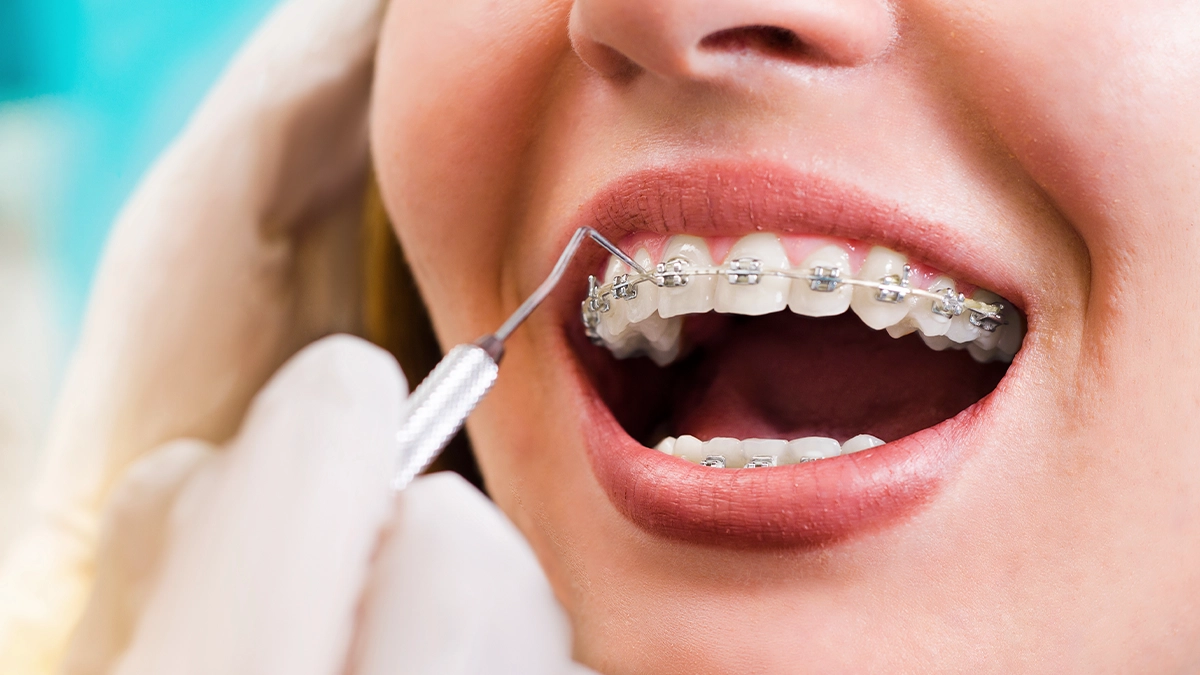
Braces use a carefully controlled system of gentle, constant pressure to shift teeth into better alignment over time. Therefore, braces can cause discomfort. As the brackets and wires guide your teeth, the bone around them slowly reshapes in a process called bone remodeling. This can feel similar to muscle soreness after exercise. While it may be uncomfortable at first, this pressure is a good sign that your treatment is progressing and that you are one step closer to a beautiful smile!
When Do Braces Hurt the Most?
Many patients ask how long braces hurt and when braces hurt the most. Braces usually hurt the most during the first 24 to 72 hours after they are placed. You will also notice soreness after adjustments or tightening appointments, although this discomfort typically lasts a shorter time. If you wear clear aligners, you might feel pressure each time you switch to a new tray, especially during the first day.
What Does Braces Discomfort Feel Like?
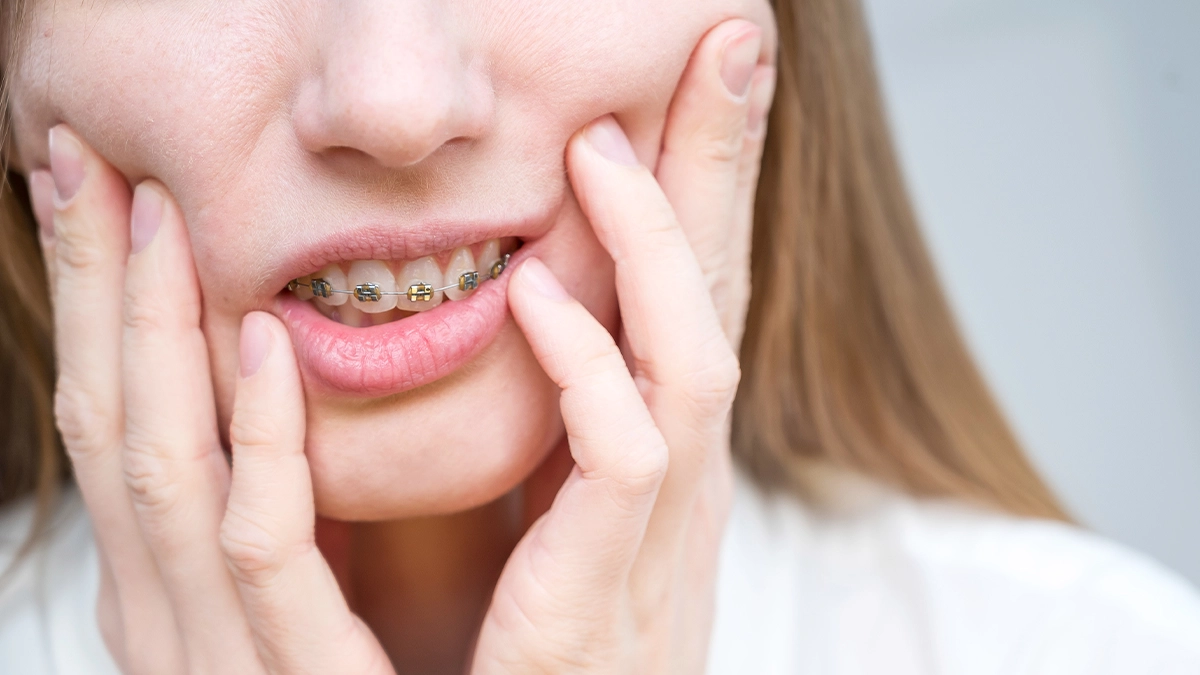
Braces discomfort is often described as a dull pressure or aching feeling rather than sharp pain. Your teeth might feel sensitive when biting or chewing, particularly during the first week. Early on, you might also notice irritation on your lips or cheeks as your mouth gets used to the brackets and wires. Most of our patients say that they find that these sensations fade as their mouth adapts.
How Long Does Braces Pain Last?
A very common concern is how long the pain lasts. The initial soreness after getting braces usually lasts about three to seven days. After tightening appointments, discomfort is typically milder and lasts one to three days. Over time, your teeth adapt to the pressure, and most patients notice that soreness becomes less frequent and less intense. If you’re wondering how long your teeth will hurt after getting braces, the answer is usually less than a week.
Do Different Types of Braces Hurt More?
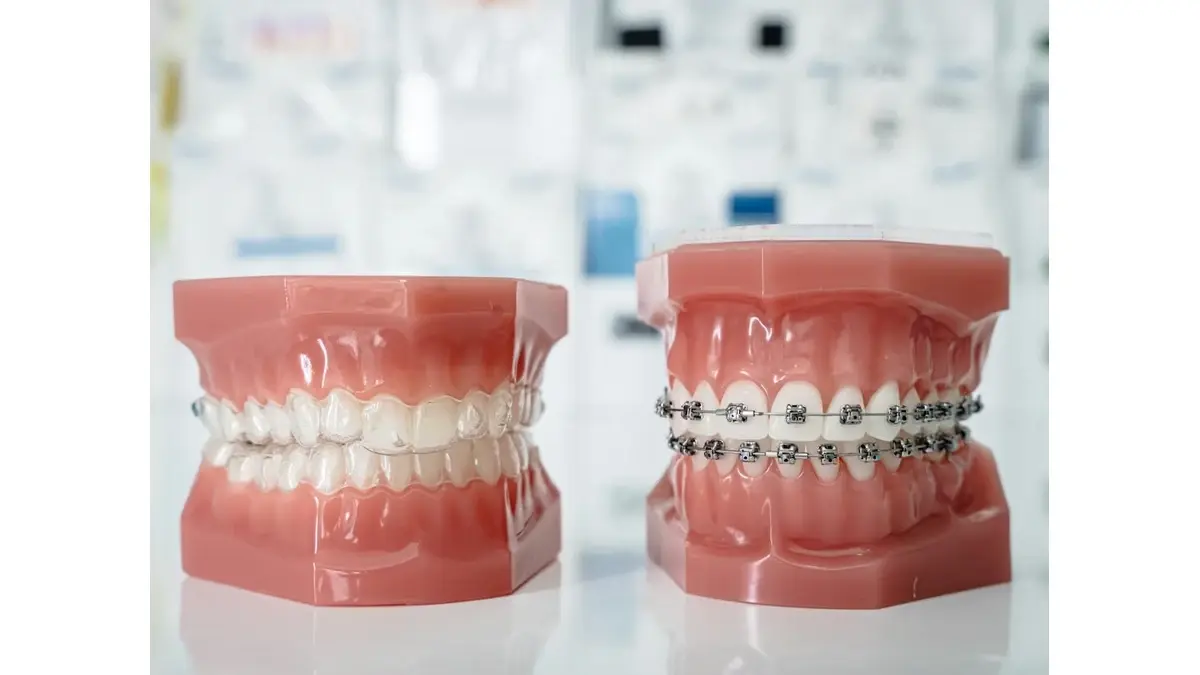
The type of braces you choose can affect how pressure and soreness feel. While all orthodontic options work by gently moving teeth, the sensation can vary slightly.
Traditional Metal Braces
Traditional metal braces often cause the most noticeable pressure at first because the brackets and wires begin working right away to shift the teeth. This initial soreness usually fades within a few days as your mouth adjusts, and many patients find that later adjustments feel easier over time.
Ceramic Braces
Ceramic braces tend to cause a similar level of discomfort as metal braces, since they work in much the same way. The main difference is that ceramic brackets blend in more with natural teeth, making them less visible, while the pressure and soreness remain generally the same.
Clear Aligners
Clear aligners apply pressure each time you switch to a new tray, which is a normal part of the process. Many patients describe this pressure as milder and more manageable than traditional braces, and it often lasts only a day or two before easing.
How to Manage Braces Discomfort
If you’re wondering how painful braces are and how to manage the soreness, there are several simple steps that can help. We recommend eating soft foods such as soup, yogurt, mashed potatoes, or smoothies, which can make chewing more comfortable during sore periods. Orthodontic wax can reduce irritation on your lips and cheeks, while a cold compress applied to the outside of your mouth can help with swelling and soreness. Some patients use over-the-counter medication to provide pain relief.
Braces Pain in Children vs Adults
Braces discomfort can vary by age. Adults may feel more pressure at first because their bones are more mature and solidified, while children and teens often adjust more quickly because their jaws are still growing. Everyone’s pain tolerance is different, but braces are safe and effective at any age, and the soreness usually fades as treatment goes on.
Conclusion: Get Expert Guidance for a More Comfortable Braces Experience
So, do braces hurt at first? Yes, they usually cause temporary discomfort, but it doesn’t last long. Any soreness you feel is a sign that your braces are working to improve your smile alignment. With expert orthodontic care and a few simple comfort strategies in place, most patients stay comfortable throughout treatment and adjust quickly.
FAQs
Does getting braces hurt when they’re put on?
Getting braces put on does not hurt. Soreness usually begins a few hours later as your teeth start to shift under gentle pressure.
Does tightening braces hurt more than getting them?
Tightening braces can cause temporary pressure, but it is usually milder and shorter than the discomfort experienced during the first week of treatment.
What foods can't you eat with braces?
It’s best to avoid hard, sticky, or chewy foods such as popcorn, gum, ice, and hard candies, as they can damage brackets and wires.
How long do your teeth hurt after getting braces?
Most people experience soreness for about three to seven days after getting braces, with shorter periods of discomfort after adjustments.
Why Braces Can Cause Discomfort
Braces use a carefully controlled system of gentle, constant pressure to shift teeth into better alignment over time. Therefore, braces can cause discomfort. As the brackets and wires guide your teeth, the bone around them slowly reshapes in a process called bone remodeling. This can feel similar to muscle soreness after exercise. While it may be uncomfortable at first, this pressure is a good sign that your treatment is progressing and that you are one step closer to a beautiful smile!
When Do Braces Hurt the Most?
Many patients ask how long braces hurt and when braces hurt the most. Braces usually hurt the most during the first 24 to 72 hours after they are placed. You will also notice soreness after adjustments or tightening appointments, although this discomfort typically lasts a shorter time. If you wear clear aligners, you might feel pressure each time you switch to a new tray, especially during the first day.
What Does Braces Discomfort Feel Like?
Braces discomfort is often described as a dull pressure or aching feeling rather than sharp pain. Your teeth might feel sensitive when biting or chewing, particularly during the first week. Early on, you might also notice irritation on your lips or cheeks as your mouth gets used to the brackets and wires. Most of our patients say that they find that these sensations fade as their mouth adapts.
How Long Does Braces Pain Last?
A very common concern is how long the pain lasts. The initial soreness after getting braces usually lasts about three to seven days. After tightening appointments, discomfort is typically milder and lasts one to three days. Over time, your teeth adapt to the pressure, and most patients notice that soreness becomes less frequent and less intense. If you’re wondering how long your teeth will hurt after getting braces, the answer is usually less than a week.
Do Different Types of Braces Hurt More?
The type of braces you choose can affect how pressure and soreness feel. While all orthodontic options work by gently moving teeth, the sensation can vary slightly.
Traditional Metal Braces
Traditional metal braces often cause the most noticeable pressure at first because the brackets and wires begin working right away to shift the teeth. This initial soreness usually fades within a few days as your mouth adjusts, and many patients find that later adjustments feel easier over time.
Ceramic Braces
Ceramic braces tend to cause a similar level of discomfort as metal braces, since they work in much the same way. The main difference is that ceramic brackets blend in more with natural teeth, making them less visible, while the pressure and soreness remain generally the same.
Clear Aligners
Clear aligners apply pressure each time you switch to a new tray, which is a normal part of the process. Many patients describe this pressure as milder and more manageable than traditional braces, and it often lasts only a day or two before easing.
How to Manage Braces Discomfort
If you’re wondering how painful braces are and how to manage the soreness, there are several simple steps that can help. We recommend eating soft foods such as soup, yogurt, mashed potatoes, or smoothies, which can make chewing more comfortable during sore periods. Orthodontic wax can reduce irritation on your lips and cheeks, while a cold compress applied to the outside of your mouth can help with swelling and soreness. Some patients use over-the-counter medication to provide pain relief.
Braces Pain in Children vs Adults
Braces discomfort can vary by age. Adults may feel more pressure at first because their bones are more mature and solidified, while children and teens often adjust more quickly because their jaws are still growing. Everyone’s pain tolerance is different, but braces are safe and effective at any age, and the soreness usually fades as treatment goes on.
Conclusion: Get Expert Guidance for a More Comfortable Braces Experience
So, do braces hurt at first? Yes, they usually cause temporary discomfort, but it doesn’t last long. Any soreness you feel is a sign that your braces are working to improve your smile alignment. With expert orthodontic care and a few simple comfort strategies in place, most patients stay comfortable throughout treatment and adjust quickly.
FAQs
Does getting braces hurt when they’re put on?
Getting braces put on does not hurt. Soreness usually begins a few hours later as your teeth start to shift under gentle pressure.
Does tightening braces hurt more than getting them?
Tightening braces can cause temporary pressure, but it is usually milder and shorter than the discomfort experienced during the first week of treatment.
What foods can't you eat with braces?
It’s best to avoid hard, sticky, or chewy foods such as popcorn, gum, ice, and hard candies, as they can damage brackets and wires.
How long do your teeth hurt after getting braces?
Most people experience soreness for about three to seven days after getting braces, with shorter periods of discomfort after adjustments.
Related Articles
find a location
Related Articles