Understanding How Long Braces Take to Straighten Teeth
What Are Braces and How Do They Work?
Braces correct bite issues, tooth gaps, prevent uneven wear on teeth, and improve the appearance of your smile. Although it is a lengthy process that involves a series of appointments, patients are usually happy with the results in the long run.
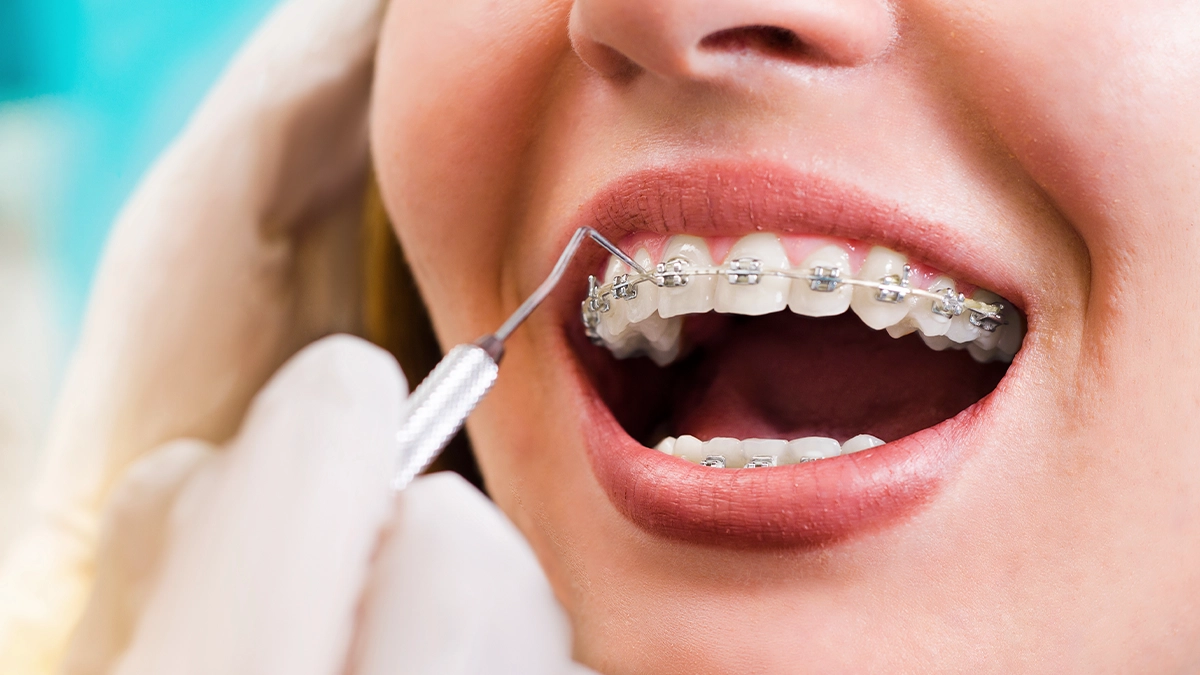
Braces use a carefully controlled system of gentle, constant pressure to shift teeth into better alignment over time. Traditional braces utilize an arched wire attached to the brackets on the teeth to guide them towards better alignment and bite. As your smile gradually improves, you will feel more comfortable and confident. Our patient-centered approach ensures the process is done with ease and comfort for the best results.
How long does it take for braces to straighten teeth? Depends on how much movement is needed and how your teeth respond to treatment.
How long does it take to get braces?
We all want instant results, but our teeth need time to learn and adjust. Every orthodontic plan is unique, but the average treatment time ranges from 1 to 3 years. The length of braces treatment depends on factors such as age, the degree of misalignment, and treatment type, which influence how quickly teeth move. Some patients may notice small changes within the first few months, while others require more time for complex corrections.
Key Factors Influencing Braces Duration
There are several important factors that influence how long it takes for braces to fully straighten teeth. Understanding these can help set realistic expectations for treatment.
Severity of Orthodontic Issues
Crowding, spacing, and bite problems all affect treatment length. Mild alignment issues need less time, while severe crowding or bite correction can take longer. Braces are durable and effective for treating a wide range of orthodontic concerns, but more complex cases naturally need more time.
Patient Age: How Age Affects Treatment Time
Age plays a role in how long it takes for braces to work. Children and teens often see faster results because their jaws are still developing. Adults can absolutely achieve great results, too, but treatment may take a little longer since adult bones are fully formed.
Type of Braces Selected
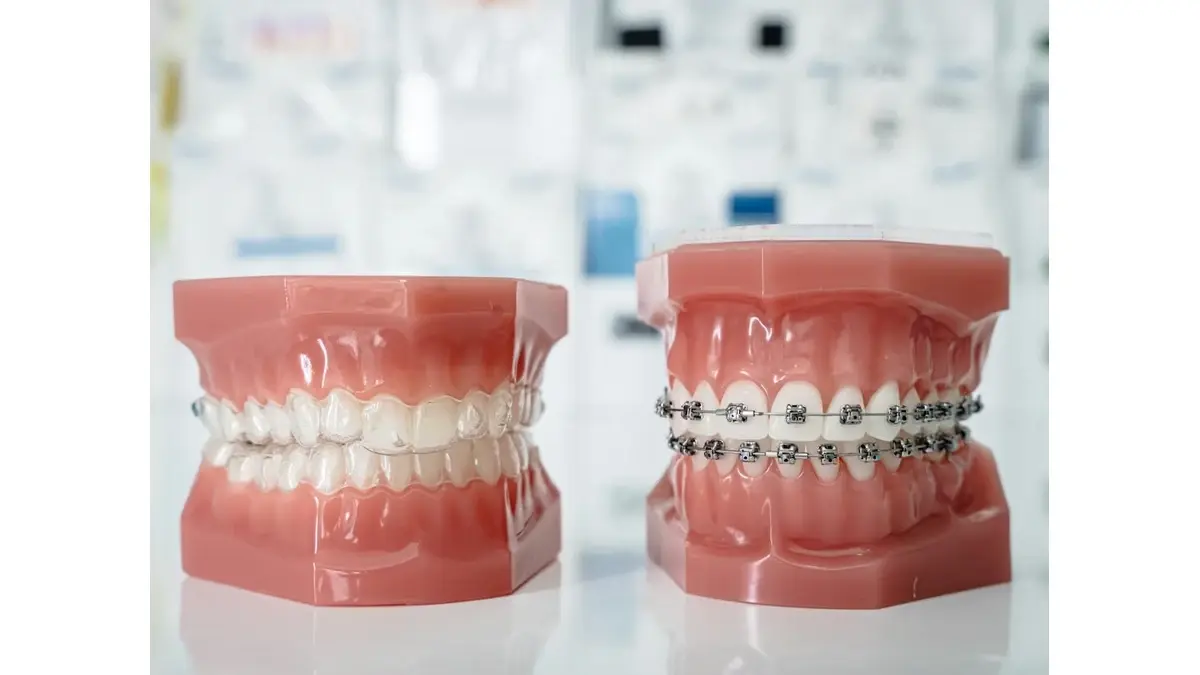
The type of braces you choose can also impact how long you have braces for. Traditional metal braces are highly effective and often work efficiently for most cases. Other options, such as ceramic or lingual braces (placed behind the teeth), are more discreet-looking but sometimes require longer treatment times depending on the case. Your orthodontist will help recommend the best option for your needs, comfort, and goals.
Patient Compliance and Lifestyle Choices
Following your orthodontist’s instructions is one of the biggest factors influencing the duration. Wearing rubber bands as directed, keeping your regular appointments, and avoiding foods that can damage brackets all help keep treatment on track.
Common Concerns and Myths About Braces Duration
Many adults worry that braces take longer later in life, but while adult treatment may take slightly more time, it is still very effective. A common myth is that braces can be “sped up” dramatically. While some tools may support treatment, healthy tooth movement takes time. Other orthodontic tools, like expanders or elastics, can actually improve efficiency when used properly and help prevent delays.
Maintaining Oral Hygiene During Treatment
Proper oral care helps braces work effectively and keeps your mouth healthy. We recommend brushing thoroughly around brackets and wires using a soft-bristled toothbrush. Floss carefully with floss threaders or special orthodontic floss and avoid sticky, chewy, or hard foods that can damage braces (even though they are yummy!). After the braces come off, it is important to keep wearing retainers for maintenance so your newly straightened teeth stay in place.
The Braces Journey: What to Expect
Your braces journey starts with an initial consultation, where your orthodontist evaluates your teeth and creates a personalized treatment plan. Once braces are placed, you’ll visit regularly for adjustments and monitoring.
These visits allow your orthodontist to track progress, make changes as needed, and make sure that everything is moving as planned. Signs of progress include improved alignment, reduced crowding, and a more balanced bite over time.
FAQs About Types of Braces
What happens if I miss an orthodontic appointment?
Missing appointments can delay progress and extend how long you wear braces. It’s best to reschedule as soon as possible.
Can braces affect speech?
Some patients experience slight speech changes at first, but this usually goes away as your mouth adjusts.
Are there any risks associated with braces?
Yes, as with all dental treatments, there are certain risks to be aware of, but generally speaking, braces are very safe. It is very normal to experience temporary soreness or irritation. Proper oral care helps prevent issues such as cavities and gum inflammation.
What Are Braces and How Do They Work?
Braces correct bite issues, tooth gaps, prevent uneven wear on teeth, and improve the appearance of your smile. Although it is a lengthy process that involves a series of appointments, patients are usually happy with the results in the long run.
Braces use a carefully controlled system of gentle, constant pressure to shift teeth into better alignment over time. Traditional braces utilize an arched wire attached to the brackets on the teeth to guide them towards better alignment and bite. As your smile gradually improves, you will feel more comfortable and confident. Our patient-centered approach ensures the process is done with ease and comfort for the best results.
How long does it take for braces to straighten teeth? Depends on how much movement is needed and how your teeth respond to treatment.
How long does it take to get braces?
We all want instant results, but our teeth need time to learn and adjust. Every orthodontic plan is unique, but the average treatment time ranges from 1 to 3 years. The length of braces treatment depends on factors such as age, the degree of misalignment, and treatment type, which influence how quickly teeth move. Some patients may notice small changes within the first few months, while others require more time for complex corrections.
Key Factors Influencing Braces Duration
There are several important factors that influence how long it takes for braces to fully straighten teeth. Understanding these can help set realistic expectations for treatment.
Severity of Orthodontic Issues
Crowding, spacing, and bite problems all affect treatment length. Mild alignment issues need less time, while severe crowding or bite correction can take longer. Braces are durable and effective for treating a wide range of orthodontic concerns, but more complex cases naturally need more time.
Patient Age: How Age Affects Treatment Time
Age plays a role in how long it takes for braces to work. Children and teens often see faster results because their jaws are still developing. Adults can absolutely achieve great results, too, but treatment may take a little longer since adult bones are fully formed.
Type of Braces Selected
The type of braces you choose can also impact how long you have braces for. Traditional metal braces are highly effective and often work efficiently for most cases. Other options, such as ceramic or lingual braces (placed behind the teeth), are more discreet-looking but sometimes require longer treatment times depending on the case. Your orthodontist will help recommend the best option for your needs, comfort, and goals.
Patient Compliance and Lifestyle Choices
Following your orthodontist’s instructions is one of the biggest factors influencing the duration. Wearing rubber bands as directed, keeping your regular appointments, and avoiding foods that can damage brackets all help keep treatment on track.
Common Concerns and Myths About Braces Duration
Many adults worry that braces take longer later in life, but while adult treatment may take slightly more time, it is still very effective. A common myth is that braces can be “sped up” dramatically. While some tools may support treatment, healthy tooth movement takes time. Other orthodontic tools, like expanders or elastics, can actually improve efficiency when used properly and help prevent delays.
Maintaining Oral Hygiene During Treatment
Proper oral care helps braces work effectively and keeps your mouth healthy. We recommend brushing thoroughly around brackets and wires using a soft-bristled toothbrush. Floss carefully with floss threaders or special orthodontic floss and avoid sticky, chewy, or hard foods that can damage braces (even though they are yummy!). After the braces come off, it is important to keep wearing retainers for maintenance so your newly straightened teeth stay in place.
The Braces Journey: What to Expect
Your braces journey starts with an initial consultation, where your orthodontist evaluates your teeth and creates a personalized treatment plan. Once braces are placed, you’ll visit regularly for adjustments and monitoring.
These visits allow your orthodontist to track progress, make changes as needed, and make sure that everything is moving as planned. Signs of progress include improved alignment, reduced crowding, and a more balanced bite over time.
FAQs About Types of Braces
What happens if I miss an orthodontic appointment?
Missing appointments can delay progress and extend how long you wear braces. It’s best to reschedule as soon as possible.
Can braces affect speech?
Some patients experience slight speech changes at first, but this usually goes away as your mouth adjusts.
Are there any risks associated with braces?
Yes, as with all dental treatments, there are certain risks to be aware of, but generally speaking, braces are very safe. It is very normal to experience temporary soreness or irritation. Proper oral care helps prevent issues such as cavities and gum inflammation.
Related Articles
find a location
Related Articles