Exploring the Types of Braces for Teeth Alignment
What Are Dental Braces?
Dental braces are like a training camp for your teeth. They are orthodontic tools used to gently move teeth into ideal alignment. It is like creating a mini construction site in your mouth. Whether a patient has crowding, spacing, bite misalignment, or aesthetic concerns, teeth braces work by applying consistent, controlled pressure over time. The goal is to create a healthier, more functional bite and a straighter smile.
Because there are different types of braces designed for various needs and lifestyles, it’s easier than ever to find an option that fits comfortably and effectively. You will be surprised by how customizable modern orthodontics can be.
How Do Dental Braces Function?
The mechanics behind teeth braces are simple. Brackets are attached to the teeth and connected by wires. These components apply gentle force, guiding teeth into better alignment over months or years. It's like working out a muscle or building new habits. Over time, the bone around the teeth adapts, allowing them to shift into their new, desired positions.
Exploring Different Types of Braces
There are many ways to achieve the goal of straight teeth. Modern orthodontics offers several types of braces, each with its own benefits, appearance, and comfort level. It really depends on your dental needs, lifestyle preferences, and aesthetic goals.
Traditional Metal Braces For Teeth
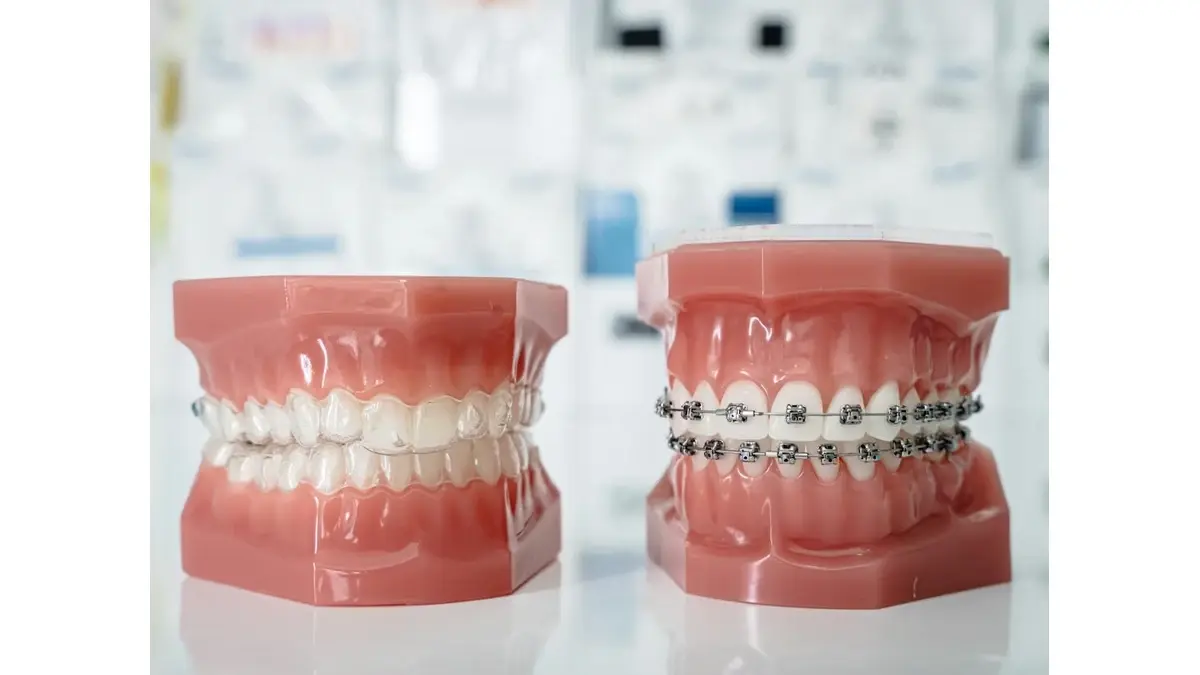
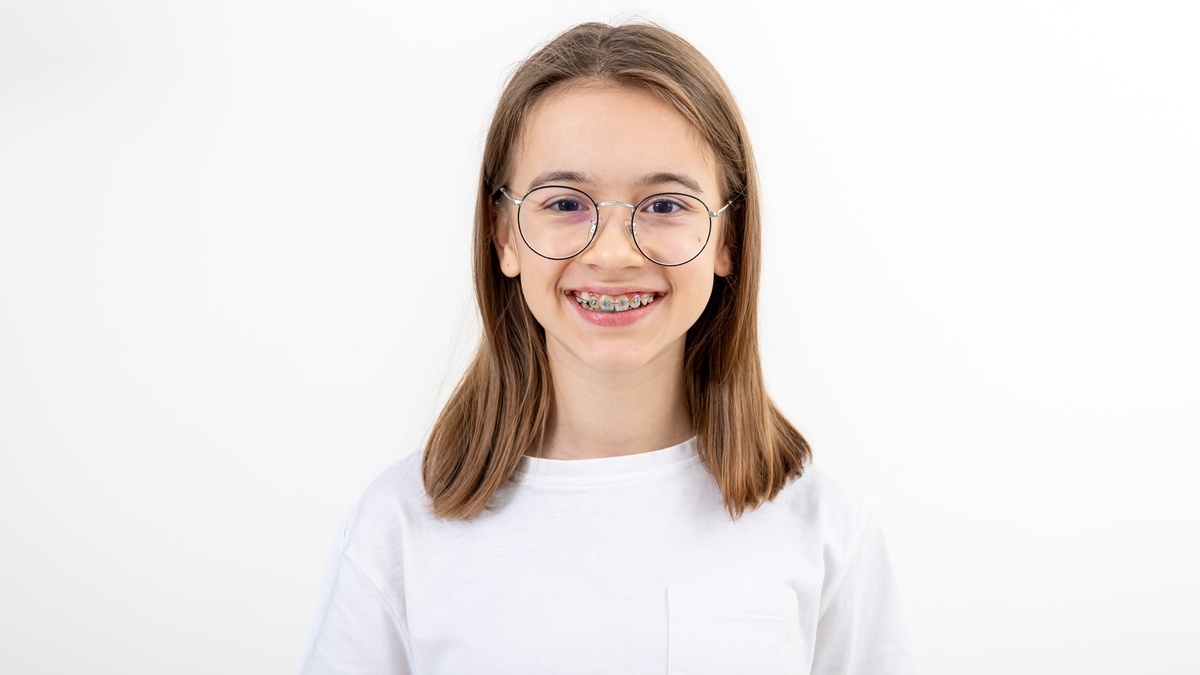
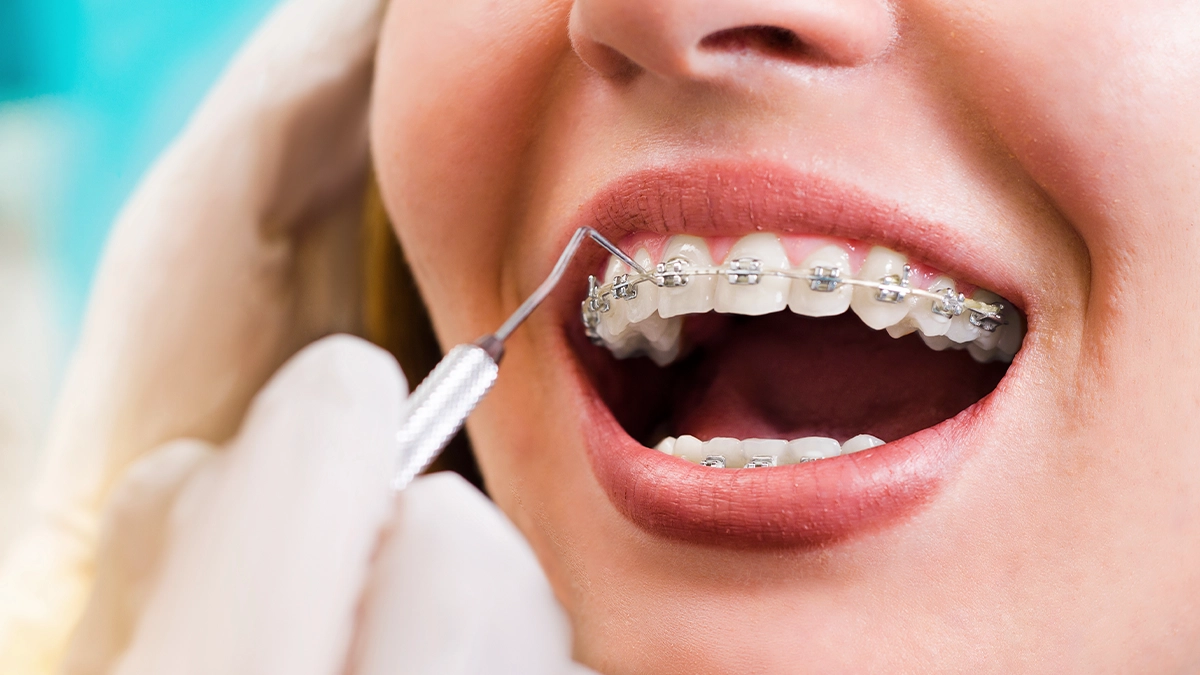
Metal braces are the ones that most people are familiar with, and for good reason. These metal braces for teeth are highly durable, effective for complex cases, and reliable for long-term treatment. Because technology keeps progressing, today’s metal brackets are smaller, sleeker, and more comfortable than those used in the past, making them a popular option for teens and adult braces.
Ceramic Braces
Ceramic braces work similarly to traditional braces but use tooth-colored or clear brackets for aesthetic purposes. Patients who prefer a less noticeable option would choose ceramic braces. While ceramic braces blend beautifully with natural teeth, they can be a bit more delicate and need extra care compared to metal braces.
Lingual Braces
Lingual braces are like secret braces. They are placed on the back side of the teeth, making them virtually invisible from the front. Therefore, it is used for adult braces as it provides more privacy. However, lingual braces may take time to adjust to, as they can affect speech initially and may cause irritation to the tongue.
Self-Ligating Braces
Self-ligating braces use built-in clips instead of elastic ties, allowing the wire to move more freely. It appeals to those who appreciate fewer appointments and shorter treatment times. Because they resemble traditional braces but operate more efficiently, self-ligating systems offer a comfortable and effective alternative.
Clear Aligners
Clear aligners, such as Invisalign, have become very popular. It offers a removable, nearly invisible alternative to bracket-based systems. Patients wear a series of custom trays that gradually shift teeth into alignment. Clear aligners are very flexible with minimal lifestyle disruption, as they allow patients to eat, drink, brush, and floss normally.
Determining the Right Age for Braces
While orthodontic treatment can benefit patients at any age, starting young while the jaw is still growing helps achieve results faster. Most children start orthodontic evaluations around age 7, when permanent teeth start coming in. This makes early intervention helpful for guiding proper development and preventing more complex issues later. However, if you are seeking braces for adults, you can start treatment at any stage of life.
Treatment Duration and Expectations
We all want instant results, but our teeth need time to learn and adjust. Every orthodontic plan is unique, but the average treatment time ranges from 12 to 24 months. Factors such as age, the degree of misalignment, and treatment type influence how quickly teeth move.
During the treatment process, you can expect:
- Routine checkups and wire adjustments
- Progressively improved alignment
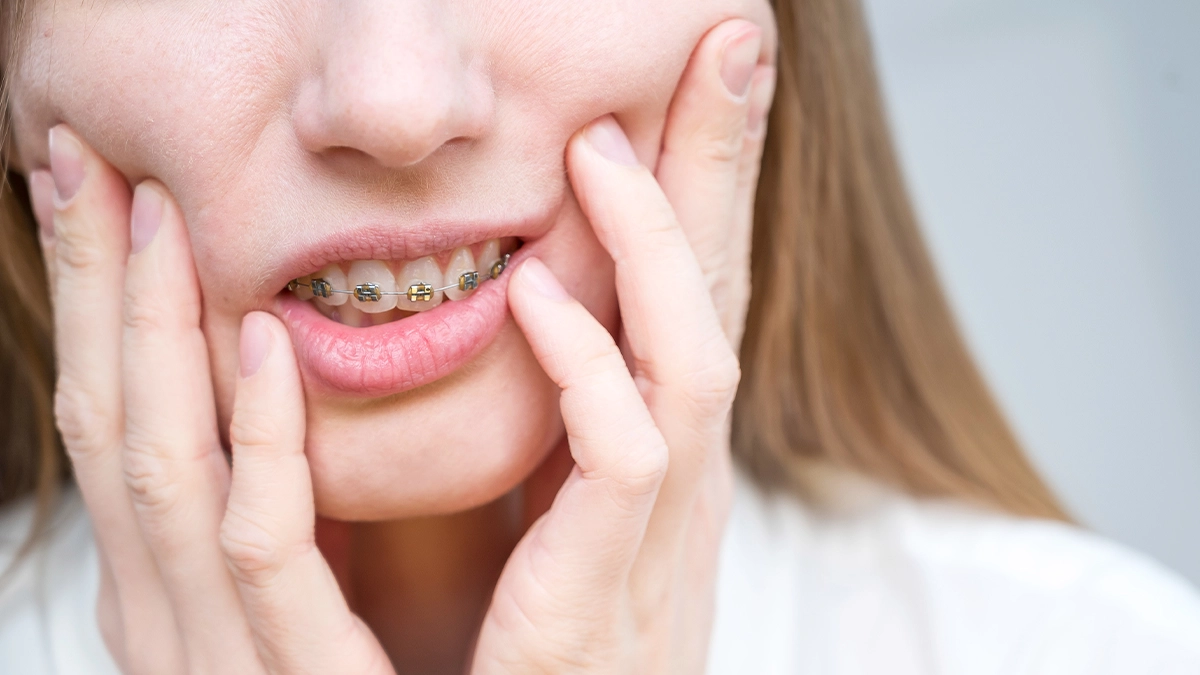
- Temporary soreness after adjustments
- The need for diligent oral hygiene
Risks and Benefits of Dental Braces
Like any medical treatment, braces offer both advantages and considerations.
Benefits of Dental Braces:
- Straighter, healthier teeth
- Improved bite alignment
- Easier brushing and flossing
- Enhanced confidence and aesthetics
- Long-term oral health benefits
Common Side Effects of Braces:
- Temporary discomfort
- Soreness after adjustments
- Dietary limitations
- Risk of irritation to the cheeks or lips
While side effects are usually minor, they’re important to understand when exploring the advantages and disadvantages of braces to ensure you make the right decision.
Post-Treatment Care and Maintenance
To manage the discomfort that comes with braces for adults, we suggest using orthodontic wax, saltwater rinses, and over-the-counter pain relief to ease initial soreness. It is important to properly care for your braces. Patients should brush carefully around brackets, floss daily, and use orthodontic cleaning tools to protect their smile. There are also some dietary considerations: Avoid sticky, hard, or chewy foods that can damage wires or brackets.
To maintain the results once braces come off, you need to take care of your teeth properly to ensure long-lasting results. Wearing retainers helps to maintain your new smile. Wearing a retainer as directed is essential. Good retainer care after braces helps preserve your hard work for results and keeps your smile perfect for years!
When to Consult Your Orthodontist
If you notice broken brackets, sharp wires, prolonged discomfort, or shifting teeth, schedule a visit right away. This will help your treatment stay on track and prevent complications.
FAQs About Different Types of Braces
How do I choose between braces and clear aligners?
Discuss your case with your orthodontist, who will evaluate your teeth and recommend the best option based on alignment needs, lifestyle, and goals.
Is it okay to chew gum while wearing braces?
It’s best to avoid gum, as it can stick to brackets and wires, making it harder to clean.
What to do if a bracket breaks?
Contact your orthodontist right away to make sure you get it repaired.
Are there special products for oral hygiene with braces?
Yes, we recommend using interdental brushes, floss threaders, and fluoride rinses to help keep your teeth clean during treatment.
What Are Dental Braces?
Dental braces are like a training camp for your teeth. They are orthodontic tools used to gently move teeth into ideal alignment. It is like creating a mini construction site in your mouth. Whether a patient has crowding, spacing, bite misalignment, or aesthetic concerns, teeth braces work by applying consistent, controlled pressure over time. The goal is to create a healthier, more functional bite and a straighter smile.
Because there are different types of braces designed for various needs and lifestyles, it’s easier than ever to find an option that fits comfortably and effectively. You will be surprised by how customizable modern orthodontics can be.
How Do Dental Braces Function?
The mechanics behind teeth braces are simple. Brackets are attached to the teeth and connected by wires. These components apply gentle force, guiding teeth into better alignment over months or years. It's like working out a muscle or building new habits. Over time, the bone around the teeth adapts, allowing them to shift into their new, desired positions.
Exploring Different Types of Braces
There are many ways to achieve the goal of straight teeth. Modern orthodontics offers several types of braces, each with its own benefits, appearance, and comfort level. It really depends on your dental needs, lifestyle preferences, and aesthetic goals.
Traditional Metal Braces For Teeth
Metal braces are the ones that most people are familiar with, and for good reason. These metal braces for teeth are highly durable, effective for complex cases, and reliable for long-term treatment. Because technology keeps progressing, today’s metal brackets are smaller, sleeker, and more comfortable than those used in the past, making them a popular option for teens and adult braces.
Ceramic Braces
Ceramic braces work similarly to traditional braces but use tooth-colored or clear brackets for aesthetic purposes. Patients who prefer a less noticeable option would choose ceramic braces. While ceramic braces blend beautifully with natural teeth, they can be a bit more delicate and need extra care compared to metal braces.
Lingual Braces
Lingual braces are like secret braces. They are placed on the back side of the teeth, making them virtually invisible from the front. Therefore, it is used for adult braces as it provides more privacy. However, lingual braces may take time to adjust to, as they can affect speech initially and may cause irritation to the tongue.
Self-Ligating Braces
Self-ligating braces use built-in clips instead of elastic ties, allowing the wire to move more freely. It appeals to those who appreciate fewer appointments and shorter treatment times. Because they resemble traditional braces but operate more efficiently, self-ligating systems offer a comfortable and effective alternative.
Clear Aligners
Clear aligners, such as Invisalign, have become very popular. It offers a removable, nearly invisible alternative to bracket-based systems. Patients wear a series of custom trays that gradually shift teeth into alignment. Clear aligners are very flexible with minimal lifestyle disruption, as they allow patients to eat, drink, brush, and floss normally.
Determining the Right Age for Braces
While orthodontic treatment can benefit patients at any age, starting young while the jaw is still growing helps achieve results faster. Most children start orthodontic evaluations around age 7, when permanent teeth start coming in. This makes early intervention helpful for guiding proper development and preventing more complex issues later. However, if you are seeking braces for adults, you can start treatment at any stage of life.
Treatment Duration and Expectations
We all want instant results, but our teeth need time to learn and adjust. Every orthodontic plan is unique, but the average treatment time ranges from 12 to 24 months. Factors such as age, the degree of misalignment, and treatment type influence how quickly teeth move.
During the treatment process, you can expect:
- Routine checkups and wire adjustments
- Progressively improved alignment
- Temporary soreness after adjustments
- The need for diligent oral hygiene
Risks and Benefits of Dental Braces
Like any medical treatment, braces offer both advantages and considerations.
Benefits of Dental Braces:
- Straighter, healthier teeth
- Improved bite alignment
- Easier brushing and flossing
- Enhanced confidence and aesthetics
- Long-term oral health benefits
Common Side Effects of Braces:
- Temporary discomfort
- Soreness after adjustments
- Dietary limitations
- Risk of irritation to the cheeks or lips
While side effects are usually minor, they’re important to understand when exploring the advantages and disadvantages of braces to ensure you make the right decision.
Post-Treatment Care and Maintenance
To manage the discomfort that comes with braces for adults, we suggest using orthodontic wax, saltwater rinses, and over-the-counter pain relief to ease initial soreness. It is important to properly care for your braces. Patients should brush carefully around brackets, floss daily, and use orthodontic cleaning tools to protect their smile. There are also some dietary considerations: Avoid sticky, hard, or chewy foods that can damage wires or brackets.
To maintain the results once braces come off, you need to take care of your teeth properly to ensure long-lasting results. Wearing retainers helps to maintain your new smile. Wearing a retainer as directed is essential. Good retainer care after braces helps preserve your hard work for results and keeps your smile perfect for years!
When to Consult Your Orthodontist
If you notice broken brackets, sharp wires, prolonged discomfort, or shifting teeth, schedule a visit right away. This will help your treatment stay on track and prevent complications.
FAQs About Different Types of Braces
How do I choose between braces and clear aligners?
Discuss your case with your orthodontist, who will evaluate your teeth and recommend the best option based on alignment needs, lifestyle, and goals.
Is it okay to chew gum while wearing braces?
It’s best to avoid gum, as it can stick to brackets and wires, making it harder to clean.
What to do if a bracket breaks?
Contact your orthodontist right away to make sure you get it repaired.
Are there special products for oral hygiene with braces?
Yes, we recommend using interdental brushes, floss threaders, and fluoride rinses to help keep your teeth clean during treatment.
Related Articles
find a location
Related Articles