Invisalign® vs Braces: Choosing the Best Option for Your Smile
What Are Traditional Braces?
A healthy, confident smile begins with proper alignment, and orthodontic care makes that possible. Traditional braces gently guide your teeth into their correct position for improved function and appearance.
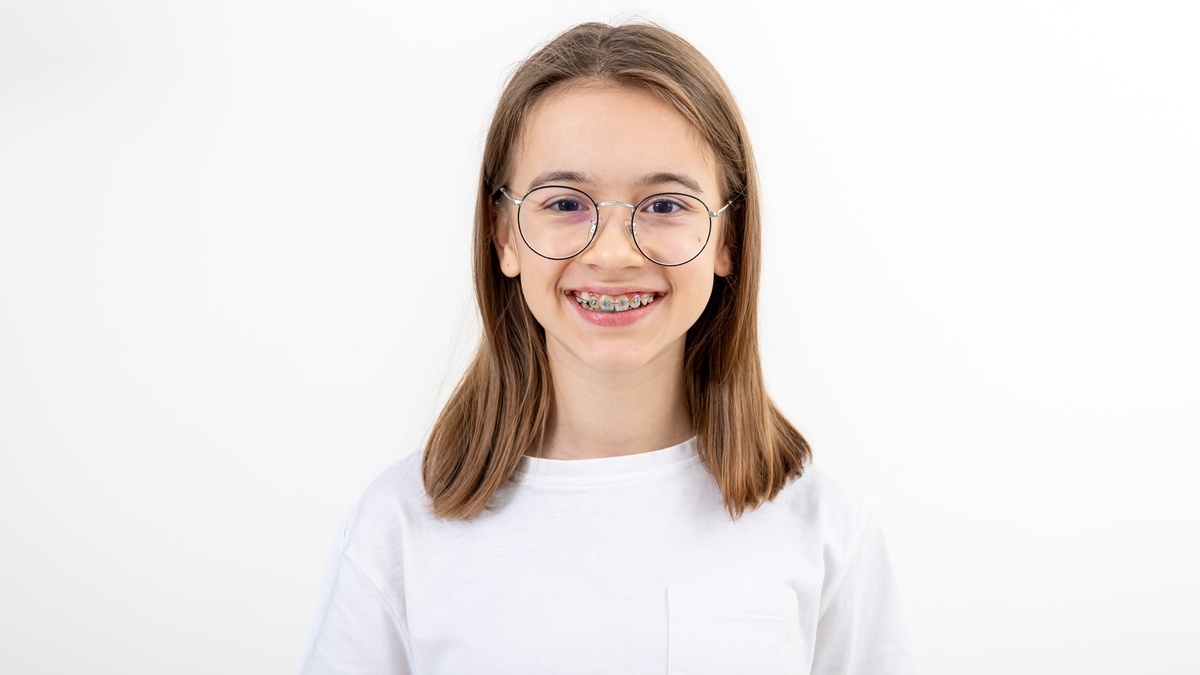
Metal braces are the ones that most people are familiar with, and for good reason. These metal braces for teeth are highly durable, effective for complex cases, and reliable for long-term treatment. Because technology keeps progressing, today’s metal brackets are smaller, sleeker, and more comfortable than those used in the past, making them a popular option for both teens and adults.
Our expert team focuses on comfort, personalization, and creating pleasing results. We thrive at helping every patient enjoy a beautiful smile with orthodontic solutions designed for their needs.
How Do Traditional Braces Work?
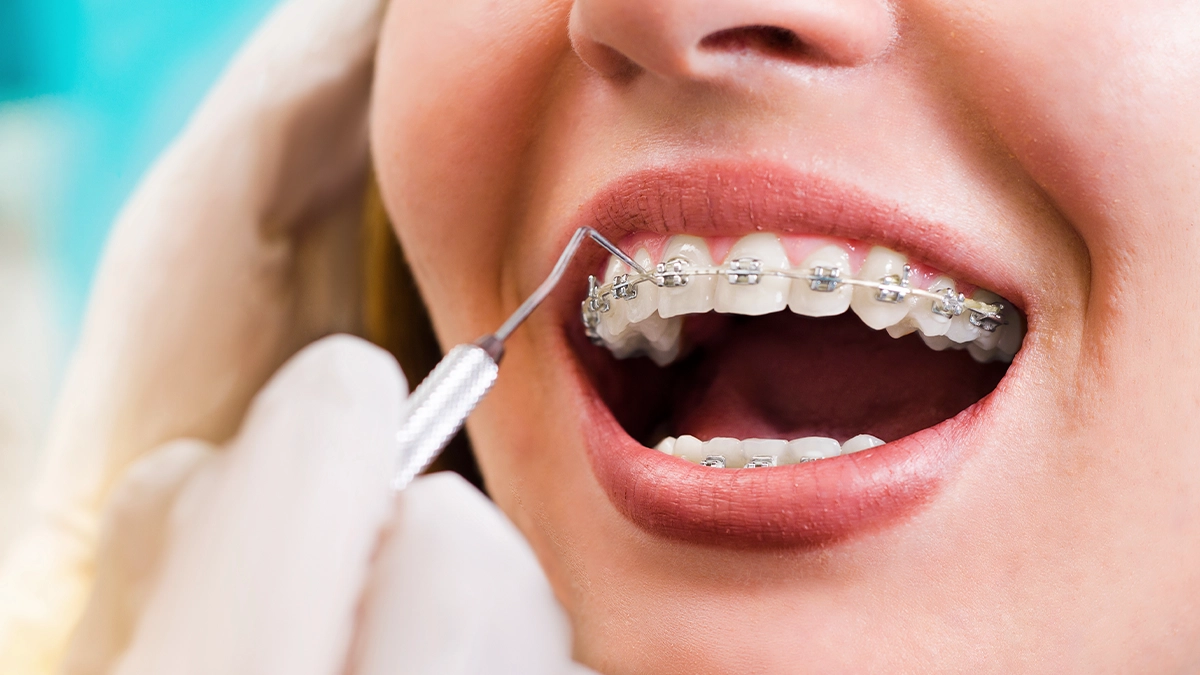
The mechanics behind braces are simple. Brackets are attached to the teeth and connected by wires. These components apply gentle force, guiding teeth into better alignment over months or years. It's like working out a muscle or building new habits. Over time, the bone around the teeth adapts, allowing them to shift into their new, desired positions.
Pros of Traditional Braces
Traditional braces offer several proven benefits:
- Highly effective for complex cases, including severe crowding, bite issues, and jaw misalignment
- Predictable results with consistent progress
- Offers multiple options, including metal braces and ceramic braces
These traditional braces benefits make them the perfect go-to for patients who need comprehensive orthodontic correction.
Cons of Traditional Braces
While braces are effective, there are some things to consider:
- More noticeable appearance, especially with metal braces
- Oral hygiene challenges that require extra care when brushing and flossing
- Dietary restrictions, such as avoiding hard, sticky, or crunchy foods
- Temporary discomfort after adjustments
Not sure between Invisalign or braces? Schedule your appointment today!
What is Invisalign®?
Clear aligners, such as Invisalign®, have become very popular. It offers a removable, nearly invisible alternative to bracket-based systems. Patients wear a series of custom trays that gradually shift teeth into alignment. Clear aligners are very flexible with minimal lifestyle disruption, as they allow patients to eat, drink, brush, and floss normally.
How Does Invisalign® Work?
Invisalign® uses a customized series of clear, removable teeth aligners to gently and gradually shift your teeth into their ideal positions. Each aligner applies controlled pressure based on your treatment plan, helping guide your teeth into alignment with impressive precision.
Your treatment begins with a digital scan of your teeth, which is used to fabricate a series of teeth aligners, depending on your case. Then comes the fun part: you’ll wear each set for 1–2 weeks, for 20–22 hours per day, removing them only to eat, drink (anything other than water), brush, and floss. Keep up with your periodic check-ins to make sure your progress stays on track.
Advantages of Choosing Invisalign®
Patients often choose Invisalign® for its lifestyle-friendly benefits:
- Nearly invisible appearance
- Removable trays for easy eating and oral care
- Smooth, comfortable aligners with no wires or brackets
- Fewer office visits compared to traditional braces
These Invisalign® benefits make clear aligners a popular option for patients balancing work, school, and social commitments.
Potential Drawbacks of Invisalign®
Despite its advantages, Invisalign® may not be ideal for everyone:
- It requires discipline, as aligners must be worn consistently
- Aligners must be removed for meals and drinks
- Invisalign® can sometimes cost more than braces
- Not suitable for all cases, particularly severe misalignment
Comparing Treatment Experiences
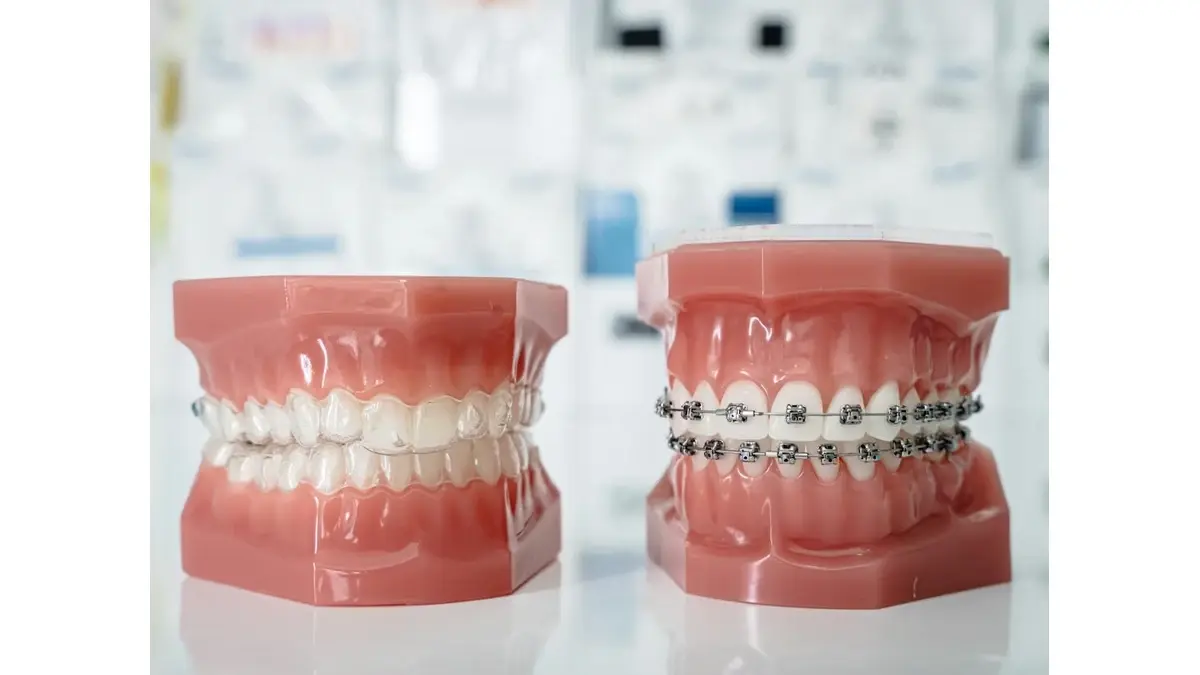
What is better: Invisalign® or braces? When weighing Invisalign® versus braces, daily experience matters. Consider the following:
- Appearance: Invisalign® aligners are clear and subtle, while braces are more visible.
- Comfort: Invisalign® aligners are smooth, whereas braces may cause irritation after adjustments.
- Dietary Restrictions: With Invisalign®, it doesn't matter what you eat, while braces require avoiding certain foods.
- Maintenance: Braces demand careful brushing and flossing, while Invisalign® simplifies oral hygiene.
Cost of Treatment: Braces vs. Invisalign®
The cost of Invisalign® versus braces is another factor to consider. Traditional braces typically range from $3,000–$7,000, while Invisalign® ranges from $3,500–$8,000. Several factors contribute to the total cost, including treatment complexity, the number of aligners required, and your geographic location. Most dental insurance plans cover braces or Invisalign® at 25–50%. We offer flexible payment options, such as CareCredit, HSA/FSA accounts, or monthly financing, to help make treatment more affordable for Invisalign® and braces. Compared to the cost of traditional braces, Invisalign® is competitively priced while offering additional comfort and lifestyle benefits.
Factors to Consider When Choosing Braces vs Invisalign®
What is better: Invisalign® or braces? It depends. When deciding between braces vs. Invisalign®, we suggest you consider your lifestyle and daily habits, aesthetic preferences, and the severity of your alignment issues. Comfort and convenience also play a big role for a lot of patients, as well as the cost of Invisalign® vs braces. It is also important to ask your orthodontist for a professional recommendation on choosing braces or Invisalign®.
Find the best option for your smile. Book your consultation today!
FAQs About Invisalign® vs. Braces
Can adults use Invisalign®?
Yes. Invisalign® is a popular choice for adults looking for a discreet orthodontic treatment option.
Is Invisalign® or braces more expensive?
Invisalign® may cost slightly more in some cases, but pricing really depends on treatment complexity and duration for both Invisalign® and braces.
What happens if I don’t wear my aligners as instructed?
Inconsistent wear can delay your progress and affect the final results. Therefore, we encourage you to wear it as instructed.
Can braces fix all alignment issues?
Yes. Traditional braces are effective for nearly all orthodontic cases, including all alignment issues.
What Are Traditional Braces?
A healthy, confident smile begins with proper alignment, and orthodontic care makes that possible. Traditional braces gently guide your teeth into their correct position for improved function and appearance.
Metal braces are the ones that most people are familiar with, and for good reason. These metal braces for teeth are highly durable, effective for complex cases, and reliable for long-term treatment. Because technology keeps progressing, today’s metal brackets are smaller, sleeker, and more comfortable than those used in the past, making them a popular option for both teens and adults.
Our expert team focuses on comfort, personalization, and creating pleasing results. We thrive at helping every patient enjoy a beautiful smile with orthodontic solutions designed for their needs.
How Do Traditional Braces Work?
The mechanics behind braces are simple. Brackets are attached to the teeth and connected by wires. These components apply gentle force, guiding teeth into better alignment over months or years. It's like working out a muscle or building new habits. Over time, the bone around the teeth adapts, allowing them to shift into their new, desired positions.
Pros of Traditional Braces
Traditional braces offer several proven benefits:
- Highly effective for complex cases, including severe crowding, bite issues, and jaw misalignment
- Predictable results with consistent progress
- Offers multiple options, including metal braces and ceramic braces
These traditional braces benefits make them the perfect go-to for patients who need comprehensive orthodontic correction.
Cons of Traditional Braces
While braces are effective, there are some things to consider:
- More noticeable appearance, especially with metal braces
- Oral hygiene challenges that require extra care when brushing and flossing
- Dietary restrictions, such as avoiding hard, sticky, or crunchy foods
- Temporary discomfort after adjustments
Not sure between Invisalign or braces? Schedule your appointment today!
What is Invisalign®?
Clear aligners, such as Invisalign®, have become very popular. It offers a removable, nearly invisible alternative to bracket-based systems. Patients wear a series of custom trays that gradually shift teeth into alignment. Clear aligners are very flexible with minimal lifestyle disruption, as they allow patients to eat, drink, brush, and floss normally.
How Does Invisalign® Work?
Invisalign® uses a customized series of clear, removable teeth aligners to gently and gradually shift your teeth into their ideal positions. Each aligner applies controlled pressure based on your treatment plan, helping guide your teeth into alignment with impressive precision.
Your treatment begins with a digital scan of your teeth, which is used to fabricate a series of teeth aligners, depending on your case. Then comes the fun part: you’ll wear each set for 1–2 weeks, for 20–22 hours per day, removing them only to eat, drink (anything other than water), brush, and floss. Keep up with your periodic check-ins to make sure your progress stays on track.
Advantages of Choosing Invisalign®
Patients often choose Invisalign® for its lifestyle-friendly benefits:
- Nearly invisible appearance
- Removable trays for easy eating and oral care
- Smooth, comfortable aligners with no wires or brackets
- Fewer office visits compared to traditional braces
These Invisalign® benefits make clear aligners a popular option for patients balancing work, school, and social commitments.
Potential Drawbacks of Invisalign®
Despite its advantages, Invisalign® may not be ideal for everyone:
- It requires discipline, as aligners must be worn consistently
- Aligners must be removed for meals and drinks
- Invisalign® can sometimes cost more than braces
- Not suitable for all cases, particularly severe misalignment
Comparing Treatment Experiences
What is better: Invisalign® or braces? When weighing Invisalign® versus braces, daily experience matters. Consider the following:
- Appearance: Invisalign® aligners are clear and subtle, while braces are more visible.
- Comfort: Invisalign® aligners are smooth, whereas braces may cause irritation after adjustments.
- Dietary Restrictions: With Invisalign®, it doesn't matter what you eat, while braces require avoiding certain foods.
- Maintenance: Braces demand careful brushing and flossing, while Invisalign® simplifies oral hygiene.
Cost of Treatment: Braces vs. Invisalign®
The cost of Invisalign® versus braces is another factor to consider. Traditional braces typically range from $3,000–$7,000, while Invisalign® ranges from $3,500–$8,000. Several factors contribute to the total cost, including treatment complexity, the number of aligners required, and your geographic location. Most dental insurance plans cover braces or Invisalign® at 25–50%. We offer flexible payment options, such as CareCredit, HSA/FSA accounts, or monthly financing, to help make treatment more affordable for Invisalign® and braces. Compared to the cost of traditional braces, Invisalign® is competitively priced while offering additional comfort and lifestyle benefits.
Factors to Consider When Choosing Braces vs Invisalign®
What is better: Invisalign® or braces? It depends. When deciding between braces vs. Invisalign®, we suggest you consider your lifestyle and daily habits, aesthetic preferences, and the severity of your alignment issues. Comfort and convenience also play a big role for a lot of patients, as well as the cost of Invisalign® vs braces. It is also important to ask your orthodontist for a professional recommendation on choosing braces or Invisalign®.
Find the best option for your smile. Book your consultation today!
FAQs About Invisalign® vs. Braces
Can adults use Invisalign®?
Yes. Invisalign® is a popular choice for adults looking for a discreet orthodontic treatment option.
Is Invisalign® or braces more expensive?
Invisalign® may cost slightly more in some cases, but pricing really depends on treatment complexity and duration for both Invisalign® and braces.
What happens if I don’t wear my aligners as instructed?
Inconsistent wear can delay your progress and affect the final results. Therefore, we encourage you to wear it as instructed.
Can braces fix all alignment issues?
Yes. Traditional braces are effective for nearly all orthodontic cases, including all alignment issues.
Related Articles
find a location
Related Articles