Braces for Kids: Types, Benefits, and When to Start
Why Kids' Braces Might Be Needed?
Kids' smiles are so cute; why would they need braces? Braces can help children achieve healthy, straight teeth and a more aligned smile. Early treatment can make a big difference in preventing more serious alignment issues as your child grows up and the roots solidify. Braces for children are needed for several reasons:
- Genetic factors: Crooked teeth, crowding, or bite issues can run in families.
- Developmental issues: Misaligned jaws or abnormal tooth eruption due to an injury.
- Habits: Thumb sucking, prolonged pacifier use, or tongue thrusting can affect dental alignment.
Types of Kids' Braces are Available
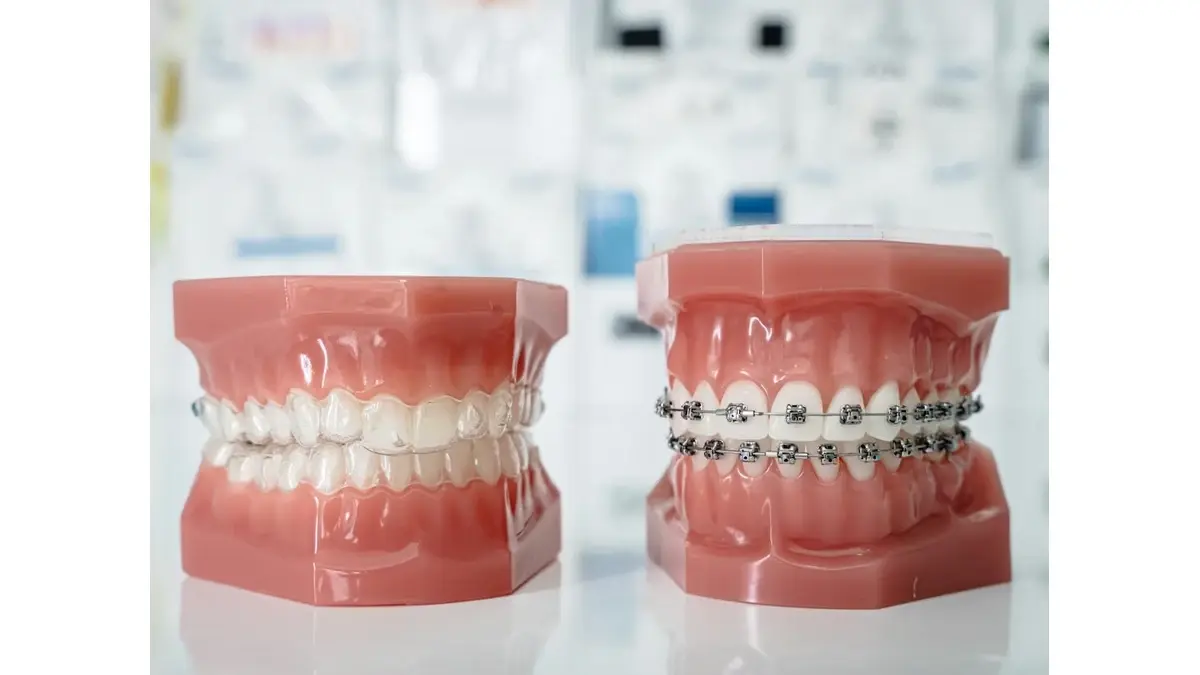
Several orthodontic options are available for kids, ranging from traditional braces to modern removable aligners.
Metal braces
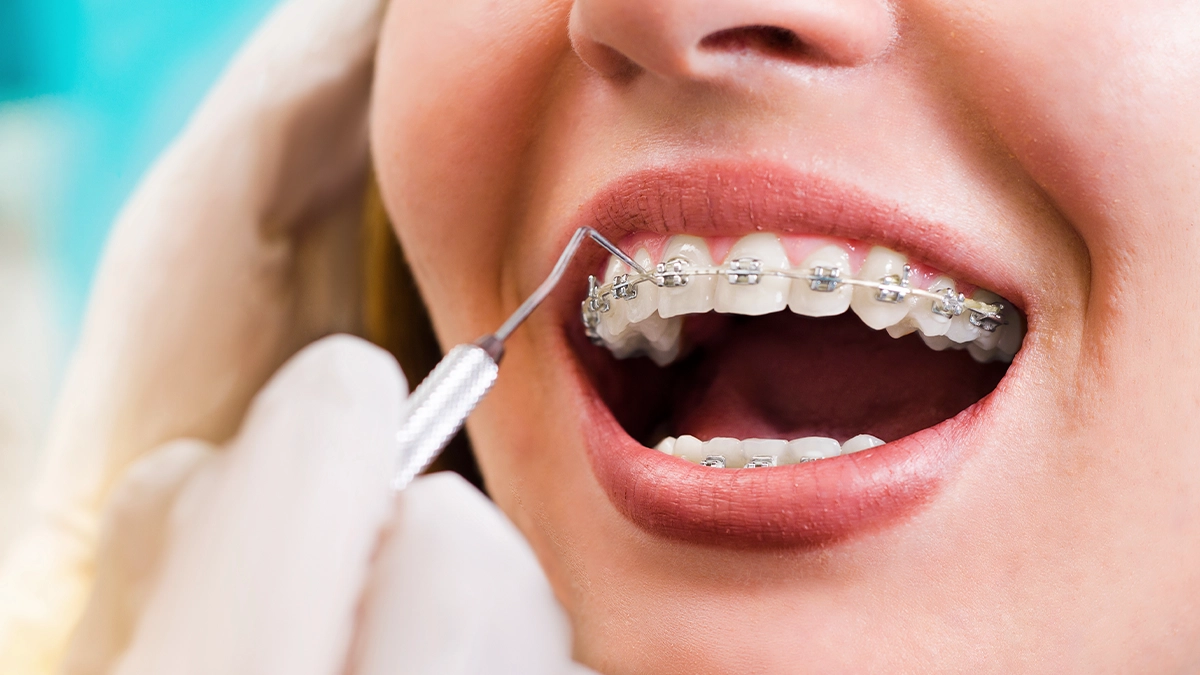
Traditional metal braces are the most common braces for children's choice. They are durable and effective for correcting complex alignment and bite issues.
Clear braces
Clear braces use transparent ceramic brackets for a more aesthetic look while still effectively aligning teeth.
Lingual braces
Lingual braces are placed behind the teeth, making them invisible from the front. They work similarly to metal braces but are less noticeable.
Clear aligners
Modern clear aligners use a series of removable plastic trays to gently shift teeth. They are nearly invisible and can be taken out for eating or cleaning.
When Kids Need Orthodontic Work?
As they are young, it is easier to treat any alignment issues. Children should be evaluated early to make sure any developing dental issues are addressed before they worsen.
The Importance of Early Orthodontic Evaluations
The American Association of Orthodontists recommends a first orthodontic evaluation by age 7. Early checkups help identify problems such as crowding, bite misalignment, or abnormal jaw growth. Take proper care of those little smiles!
Signs That Indicate Your Child May Need Braces
Signs suggesting that your child needs braces include:
- Early or late loss of baby teeth
- Difficulty chewing or biting.
- Mouth breathing or jaw clicking.
- Misalignment and facial asymmetry.
Caring for Braces: Essential Tips
Proper oral care helps braces work effectively and keeps your child’s mouth healthy. We recommend brushing thoroughly around brackets and wires using a soft-bristled toothbrush. Floss carefully with floss threaders or special orthodontic floss and avoid sticky, chewy, or hard foods that can damage braces (even though they are yummy!).
Treatment Duration and What to Expect
Treatment time varies depending on age, severity of the alignment issue, and the type of braces used. It is important to stay patient and positive! Most children’s braces last for about 12–36 months. They will go for regular check-ups and adjustments to make sure their progress stays on track.
FAQs
Do children’s braces hurt when they are first put on?
Some mild discomfort or soreness is normal for a few days as teeth begin to shift and the child gets used to having something new on their teeth.
What happens if a bracket comes loose on braces for children?
Contact your orthodontist right away for repair to avoid delays in treatment progress.
How can we help our child adjust to life with braces?
Encourage proper oral care, provide soft foods during initial adjustment, and most importantly, maintain a positive attitude!
Are there foods my child can still enjoy with braces?
Yes! Soft foods like yogurt, pasta, and fruits are safe. Avoid sticky, hard, or overly chewy items.
Why Kids' Braces Might Be Needed?
Kids' smiles are so cute; why would they need braces? Braces can help children achieve healthy, straight teeth and a more aligned smile. Early treatment can make a big difference in preventing more serious alignment issues as your child grows up and the roots solidify. Braces for children are needed for several reasons:
- Genetic factors: Crooked teeth, crowding, or bite issues can run in families.
- Developmental issues: Misaligned jaws or abnormal tooth eruption due to an injury.
- Habits: Thumb sucking, prolonged pacifier use, or tongue thrusting can affect dental alignment.
Types of Kids' Braces are Available
Several orthodontic options are available for kids, ranging from traditional braces to modern removable aligners.
Metal braces
Traditional metal braces are the most common braces for children's choice. They are durable and effective for correcting complex alignment and bite issues.
Clear braces
Clear braces use transparent ceramic brackets for a more aesthetic look while still effectively aligning teeth.
Lingual braces
Lingual braces are placed behind the teeth, making them invisible from the front. They work similarly to metal braces but are less noticeable.
Clear aligners
Modern clear aligners use a series of removable plastic trays to gently shift teeth. They are nearly invisible and can be taken out for eating or cleaning.
When Kids Need Orthodontic Work?
As they are young, it is easier to treat any alignment issues. Children should be evaluated early to make sure any developing dental issues are addressed before they worsen.
The Importance of Early Orthodontic Evaluations
The American Association of Orthodontists recommends a first orthodontic evaluation by age 7. Early checkups help identify problems such as crowding, bite misalignment, or abnormal jaw growth. Take proper care of those little smiles!
Signs That Indicate Your Child May Need Braces
Signs suggesting that your child needs braces include:
- Early or late loss of baby teeth
- Difficulty chewing or biting.
- Mouth breathing or jaw clicking.
- Misalignment and facial asymmetry.
Caring for Braces: Essential Tips
Proper oral care helps braces work effectively and keeps your child’s mouth healthy. We recommend brushing thoroughly around brackets and wires using a soft-bristled toothbrush. Floss carefully with floss threaders or special orthodontic floss and avoid sticky, chewy, or hard foods that can damage braces (even though they are yummy!).
Treatment Duration and What to Expect
Treatment time varies depending on age, severity of the alignment issue, and the type of braces used. It is important to stay patient and positive! Most children’s braces last for about 12–36 months. They will go for regular check-ups and adjustments to make sure their progress stays on track.
FAQs
Do children’s braces hurt when they are first put on?
Some mild discomfort or soreness is normal for a few days as teeth begin to shift and the child gets used to having something new on their teeth.
What happens if a bracket comes loose on braces for children?
Contact your orthodontist right away for repair to avoid delays in treatment progress.
How can we help our child adjust to life with braces?
Encourage proper oral care, provide soft foods during initial adjustment, and most importantly, maintain a positive attitude!
Are there foods my child can still enjoy with braces?
Yes! Soft foods like yogurt, pasta, and fruits are safe. Avoid sticky, hard, or overly chewy items.
Related Articles
find a location
Related Articles