How Long Does Teeth Whitening Last?
How Long Does Teeth Whitening Last? Understand the Duration and How to Maintain Your Results
Introduction
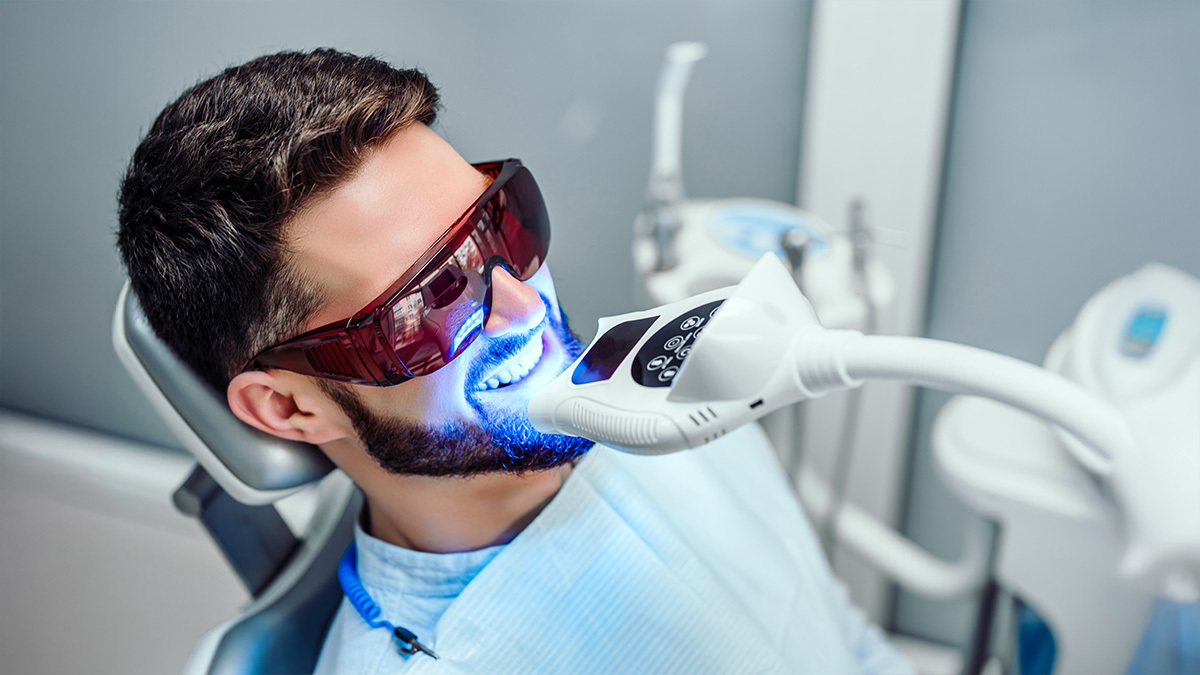
Professional teeth whitening can transform your smile and bring your pearly whites back to life. As one of the most common cosmetic procedures we perform, you can imagine we answer a lot of questions about it - the most common question we get asked about teeth whitening is “How long does it last?”
The answer isn’t the same for everyone, and how long your results will last vary based on your dental history, the whitening methods used, your lifestyle and dietary choices, and your dental hygiene after whitening. Let’s explore more.
How Long Does Professional Teeth Whitening Last?
The results of professional teeth whitening can last anywhere from 6 months to a period of years, especially if you’re diligent about your oral health and hygiene.
Lifestyle choices and treatment decisions are the most important factors affecting professional teeth whitening longevity. Starting with longevity, the same things that discolored your teeth to begin with will stain your teeth again if you keep consuming them after your procedure. Common stain-causing food and drinks include coffee, red wine, tea, and dark berries. Smoking and the use of other tobacco products also will stain your teeth and limit your ability to see lasting teeth whitening results.
The whitening agent used will also impact the longevity of your teeth whitening procedure, with the effects of professional teeth whitening in a dental office using stronger whitening agents and offering longer-lasting results than at-home treatments.
Factors That Affect the Longevity of Teeth Whitening
Multiple factors affect whitening longevity. If you know the factors, a few choices can help with maintaining teeth whitening results.
- Diet - consuming coffee, tea, wine, berries and some other food or drink can stain your teeth. Limit exposure to these foods when it is possible, and care for your teeth properly when you do consume strong staining items.
- Smoking and tobacco - we’ve all seen what smoke can do to discolor household items, car furniture, and kitchen appliances. It’ll do the same thing to your teeth. Even when not smoked, tobacco can stain your teeth. Limiting exposure to tobacco is not only a best practice for teeth whitening aftercare, it’s helpful for limiting your risk of oral cancer or other complications associated with tobacco use.
- Personal hygiene - if you’re going to spend the time and money to have your teeth professionally whitened, it may be a good time to make sure you reinforce good hygiene habits. Regular brushing, flossing, and rinsing are critical.
- Type of treatment - professional, in-office whitening will use stronger whitening agents that last longer than at-home options.
How to Make Teeth Whitening Last Longer?
Teeth naturally discolor and stain as we go through our lives, culminating in a decision to seek professional teeth whitening. Habits also evolve, and the most successful whitening treatments are paired with patients who take the opportunity to not just tune up their smile but also shore up their hygiene habits.
- Reinforce your habits - twice a day brushing, daily flossing and regular rinsing sometimes goes by the wayside. Check that you’re using an effective toothbrush, the right floss and an effective rinse.
- Engage the experts - regular dental checkups and cleanings are like doing spring (and fall!) cleaning for your mouth. Bring in the heavy artillery twice a year with your regularly scheduled dental checkups.
- Notice special needs - pay attention to when you may need to supplement your regular habits with some special attention. We can’t avoid everything that would stain our teeth, but just like a stain in your shirt it can help to immediately address stains on your teeth with an in-between brushing. Consider stashing a spare toothbrush in your desk at work or in the glove compartment in your car for when you find yourself in need of one when you’re away from home.
Professional Whitening vs. At-Home Whitening: Which Lasts Longer?
Professional whitening and at-home whitening are both viable options, but for the longest lasting whitening results see a dentist for a professional whitening procedure. Professional whitening will use stronger whitening agents and last longer.
At-home whitening plans often take longer to work, require more diligent compliance to apply the treatment for a period of days or weeks, and only lasts between a couple weeks and a couple months.
Post-Treatment Care: How to Protect Your Results?
Post-whitening care is equally important to protecting your results as the treatment decisions you make. Aftercare matters.
- Avoid staining food and beverages - while avoiding coffee, tea and wine may not be in the cards permanently, limiting them in the 48 hours after treatment is especially important.
- Avoid tobacco - the same applies to tobacco as to staining food and beverage. Avoid it in the aftermath of whitening.
- Maintain your habits - don’t deviate from regular brushing, flossing and rinsing in the aftermath of teeth whitening to protect your whitening results.
- Rinse after meals and beverages - a simple rinse with water after eating or drinking is always a good idea and particularly useful as an immediate part of post-whitening care.
- Use straws - simple changes like using straws when you are consuming beverages that may stain your teeth will limit the amount of staining material that encounters your teeth without limiting your ability to have that iced coffee.
- Schedule regular cleanings - don’t leave your whitening appointment without your next regular cleaning appointment booked.
Conclusion
We’d like our smile to be white forever, but the fact of the matter is that our teeth encounter a lot of things that compromise that shine. While professional teeth whitening can deliver noticeably whiter smiles for months or even years, it is a procedure that will last longest if you pair it with proper aftercare. Regular maintenance and good oral hygiene are always important, especially in the aftermath of a teeth whitening procedure.
Contact a dentist near you today for personalized whitening options and to ask about professional touch-up treatments.
FAQs
Does at-home teeth whitening last as long as professional treatments?
No, at-home teeth whitening (weeks to months of impact) does not last as long as professional teeth whitening (months to years of impact)
Is teeth whitening permanent?
While you can expect to see months or even years of whiter teeth after professional teeth whitening, it is not permanent. Your results will be maximized with diligent aftercare.
How often should I get my teeth whitened professionally?
In-office professional teeth whitening should be performed on an as-needed basis. For many that means as part of an annual tune up, but the right frequency will depend on you and your smile. Discuss your smile goals with your dentist today.
Does teeth whitening damage enamel?
Professional teeth whitening generally does not damage enamel, but incorrect use of at-home products can permanently damage enamel. Consult with a dentist before attempting any whitening to determine of professional whitening or an at-home route is right for you.
How Long Does Teeth Whitening Last? Understand the Duration and How to Maintain Your Results
Introduction
Professional teeth whitening can transform your smile and bring your pearly whites back to life. As one of the most common cosmetic procedures we perform, you can imagine we answer a lot of questions about it - the most common question we get asked about teeth whitening is “How long does it last?”
The answer isn’t the same for everyone, and how long your results will last vary based on your dental history, the whitening methods used, your lifestyle and dietary choices, and your dental hygiene after whitening. Let’s explore more.
How Long Does Professional Teeth Whitening Last?
The results of professional teeth whitening can last anywhere from 6 months to a period of years, especially if you’re diligent about your oral health and hygiene.
Lifestyle choices and treatment decisions are the most important factors affecting professional teeth whitening longevity. Starting with longevity, the same things that discolored your teeth to begin with will stain your teeth again if you keep consuming them after your procedure. Common stain-causing food and drinks include coffee, red wine, tea, and dark berries. Smoking and the use of other tobacco products also will stain your teeth and limit your ability to see lasting teeth whitening results.
The whitening agent used will also impact the longevity of your teeth whitening procedure, with the effects of professional teeth whitening in a dental office using stronger whitening agents and offering longer-lasting results than at-home treatments.
Factors That Affect the Longevity of Teeth Whitening
Multiple factors affect whitening longevity. If you know the factors, a few choices can help with maintaining teeth whitening results.
- Diet - consuming coffee, tea, wine, berries and some other food or drink can stain your teeth. Limit exposure to these foods when it is possible, and care for your teeth properly when you do consume strong staining items.
- Smoking and tobacco - we’ve all seen what smoke can do to discolor household items, car furniture, and kitchen appliances. It’ll do the same thing to your teeth. Even when not smoked, tobacco can stain your teeth. Limiting exposure to tobacco is not only a best practice for teeth whitening aftercare, it’s helpful for limiting your risk of oral cancer or other complications associated with tobacco use.
- Personal hygiene - if you’re going to spend the time and money to have your teeth professionally whitened, it may be a good time to make sure you reinforce good hygiene habits. Regular brushing, flossing, and rinsing are critical.
- Type of treatment - professional, in-office whitening will use stronger whitening agents that last longer than at-home options.
How to Make Teeth Whitening Last Longer?
Teeth naturally discolor and stain as we go through our lives, culminating in a decision to seek professional teeth whitening. Habits also evolve, and the most successful whitening treatments are paired with patients who take the opportunity to not just tune up their smile but also shore up their hygiene habits.
- Reinforce your habits - twice a day brushing, daily flossing and regular rinsing sometimes goes by the wayside. Check that you’re using an effective toothbrush, the right floss and an effective rinse.
- Engage the experts - regular dental checkups and cleanings are like doing spring (and fall!) cleaning for your mouth. Bring in the heavy artillery twice a year with your regularly scheduled dental checkups.
- Notice special needs - pay attention to when you may need to supplement your regular habits with some special attention. We can’t avoid everything that would stain our teeth, but just like a stain in your shirt it can help to immediately address stains on your teeth with an in-between brushing. Consider stashing a spare toothbrush in your desk at work or in the glove compartment in your car for when you find yourself in need of one when you’re away from home.
Professional Whitening vs. At-Home Whitening: Which Lasts Longer?
Professional whitening and at-home whitening are both viable options, but for the longest lasting whitening results see a dentist for a professional whitening procedure. Professional whitening will use stronger whitening agents and last longer.
At-home whitening plans often take longer to work, require more diligent compliance to apply the treatment for a period of days or weeks, and only lasts between a couple weeks and a couple months.
Post-Treatment Care: How to Protect Your Results?
Post-whitening care is equally important to protecting your results as the treatment decisions you make. Aftercare matters.
- Avoid staining food and beverages - while avoiding coffee, tea and wine may not be in the cards permanently, limiting them in the 48 hours after treatment is especially important.
- Avoid tobacco - the same applies to tobacco as to staining food and beverage. Avoid it in the aftermath of whitening.
- Maintain your habits - don’t deviate from regular brushing, flossing and rinsing in the aftermath of teeth whitening to protect your whitening results.
- Rinse after meals and beverages - a simple rinse with water after eating or drinking is always a good idea and particularly useful as an immediate part of post-whitening care.
- Use straws - simple changes like using straws when you are consuming beverages that may stain your teeth will limit the amount of staining material that encounters your teeth without limiting your ability to have that iced coffee.
- Schedule regular cleanings - don’t leave your whitening appointment without your next regular cleaning appointment booked.
Conclusion
We’d like our smile to be white forever, but the fact of the matter is that our teeth encounter a lot of things that compromise that shine. While professional teeth whitening can deliver noticeably whiter smiles for months or even years, it is a procedure that will last longest if you pair it with proper aftercare. Regular maintenance and good oral hygiene are always important, especially in the aftermath of a teeth whitening procedure.
Contact a dentist near you today for personalized whitening options and to ask about professional touch-up treatments.
FAQs
Does at-home teeth whitening last as long as professional treatments?
No, at-home teeth whitening (weeks to months of impact) does not last as long as professional teeth whitening (months to years of impact)
Is teeth whitening permanent?
While you can expect to see months or even years of whiter teeth after professional teeth whitening, it is not permanent. Your results will be maximized with diligent aftercare.
How often should I get my teeth whitened professionally?
In-office professional teeth whitening should be performed on an as-needed basis. For many that means as part of an annual tune up, but the right frequency will depend on you and your smile. Discuss your smile goals with your dentist today.
Does teeth whitening damage enamel?
Professional teeth whitening generally does not damage enamel, but incorrect use of at-home products can permanently damage enamel. Consult with a dentist before attempting any whitening to determine of professional whitening or an at-home route is right for you.
Related Articles
find a location
Related Articles