Dental Anomalies: Types, Causes, and How Dentists Treat Them
What Are Dental Anomalies?
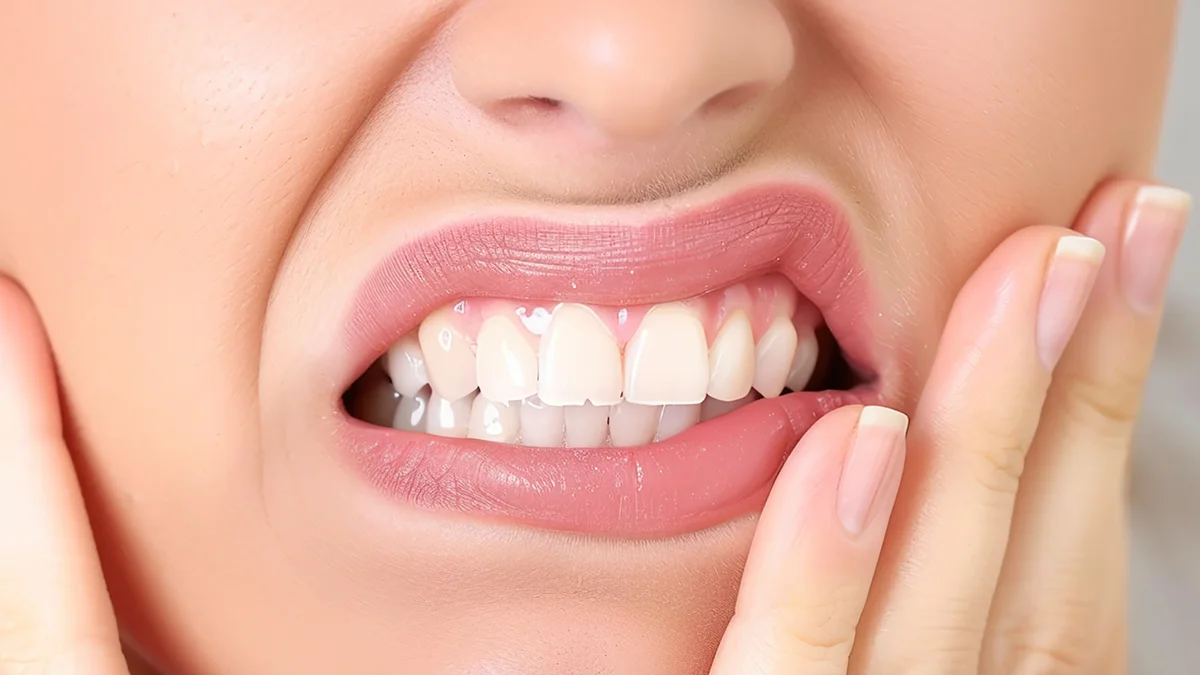
Dental anomalies are differences in the size, shape, number, structure, or position of teeth compared to what’s considered typical. These tooth anomalies often develop while teeth are forming, but it can also happen due to injury or illness. Some affect appearance only, while others can impact chewing, speech, or oral health.
Some dental anomalies are mostly cosmetic, such as unusually shaped or smaller teeth. Others can affect how teeth function, align, or fit together, which may lead to bite problems, wear, or difficulty cleaning certain areas. However, many tooth anomalies are harmless. Your dentist will examine your teeth and determine whether treatment is needed to prevent future problems.
What Causes Dental Anomalies?
Dental anomalies can happen for several reasons, and often more than one factor is involved. Here are some of the common reasons:
Genetic factors: Some tooth anomalies run in families and are passed down genetically.
Prenatal influences: Nutrition, illness, or certain medications during pregnancy can affect how teeth develop before birth.
Childhood trauma or infection: Injuries to baby teeth or early infections can sometimes affect how permanent teeth grow in.
Environmental factors: Fluoride imbalance, radiation exposure, or other environmental influences can also contribute to dental abnormalities.
Types of Dental Anomalies
Anomalies of Tooth Number
- Hypodontia (missing teeth): One or more teeth fail to develop, which can affect spacing and bite alignment.
- Hyperdontia (extra teeth): Also called supernumerary teeth, extra teeth can crowd the mouth or block normal tooth eruption.
Anomalies of Tooth Size
- Microdontia: Teeth are smaller than normal, often affecting appearance or spacing.
- Macrodontia: Teeth are larger than usual, which can lead to crowding or bite issues.
Anomalies of Tooth Shape
- Peg lateral teeth: Front teeth that appear smaller and cone-shaped.
- Fusion: Two developing teeth join together, forming one larger tooth.
- Gemination: One tooth tries to divide into two, creating a wider-than-normal tooth.
- Dilaceration: A tooth root or crown has an unusual curve, often caused by trauma.
Anomalies of Tooth Structure
- Enamel hypoplasia: Thin or weak enamel that may look discolored or rough.
- Amelogenesis imperfecta: A genetic condition affecting enamel strength and appearance.
- Dentinogenesis imperfecta: A condition that affects dentin, causing teeth to appear translucent or weak.
Anomalies of Tooth Position & Eruption
- Impacted teeth: Teeth that don’t fully erupt into the mouth.
- Ectopic eruption: Teeth erupt in the wrong position.
- Transposition: Two teeth switch places in the mouth.
- Delayed or premature eruption: Teeth appear earlier or later than expected.
How Dental Anomalies Are Diagnosed
To diagnose dental anomalies, your dentist will do a visual exam, take some dental x-rays, and review your dental history. This will help them identify how your teeth have developed, whether roots and enamel are healthy, and if surrounding teeth or bone are affected. Then go from there.
Treatment Options for Dental Anomalies
Not all dental anomalies need to be treated. Sometimes all that’s needed is professional monitoring. When treatment is recommended, it varies from braces, crowns, veneers, or, in some cases, surgery. The goal is to improve function, protect oral health, and enhance your smile!
Early Detection Makes a Difference: When to See a Dentist
Detecting it early on during a routine dental visit, it allows your dentist to spot tooth abnormalities before they cause complications. If teeth look unusual, don’t erupt on time, or affect chewing or confidence, a comprehensive evaluation to check for any dental abnormalities and help plan the best next steps.
Conclusion
Dental anomalies can look concerning, but they can often be harmless and manageable with the right professional care. Early detection is important as it allows your dentist to monitor it and understand the types and causes of your type of dental anomalies. With proper personalized treatment, most types of teeth deformities can be effectively managed. Our goal is to get your smile healthy and confident!
FAQs
What are common myths about dental anomalies?
A common myth is that all dental anomalies are serious. Some of them are mild enough and don’t require treatment.
How do dental anomalies differ in children and adults?
In children, anomalies often affect tooth development or eruption. In adults, they can impact function, alignment, and appearance.
Are dental anomalies genetic?
Some tooth abnormalities are genetic, while others result from environmental factors or oral injury.
Can dental anomalies be prevented?
Not always, but early monitoring and dental care can reduce complications and issues later on.
Do dental anomalies cause pain?
Many do not cause pain, though some can lead to sensitivity or discomfort depending on the types of teeth deformities and severity.
Are dental anomalies common in children?
Yes. Some dental anomalies are fairly common and often discovered during routine checkups.
Can braces fix dental anomalies?
Braces can help with spacing and alignment issues, depending on the type of anomaly.
Are dental anomalies covered by insurance?
Coverage varies depending on the condition and whether treatment is considered medically necessary or cosmetic.
What Are Dental Anomalies?
Dental anomalies are differences in the size, shape, number, structure, or position of teeth compared to what’s considered typical. These tooth anomalies often develop while teeth are forming, but it can also happen due to injury or illness. Some affect appearance only, while others can impact chewing, speech, or oral health.
Some dental anomalies are mostly cosmetic, such as unusually shaped or smaller teeth. Others can affect how teeth function, align, or fit together, which may lead to bite problems, wear, or difficulty cleaning certain areas. However, many tooth anomalies are harmless. Your dentist will examine your teeth and determine whether treatment is needed to prevent future problems.
What Causes Dental Anomalies?
Dental anomalies can happen for several reasons, and often more than one factor is involved. Here are some of the common reasons:
Genetic factors: Some tooth anomalies run in families and are passed down genetically.
Prenatal influences: Nutrition, illness, or certain medications during pregnancy can affect how teeth develop before birth.
Childhood trauma or infection: Injuries to baby teeth or early infections can sometimes affect how permanent teeth grow in.
Environmental factors: Fluoride imbalance, radiation exposure, or other environmental influences can also contribute to dental abnormalities.
Types of Dental Anomalies
Anomalies of Tooth Number
- Hypodontia (missing teeth): One or more teeth fail to develop, which can affect spacing and bite alignment.
- Hyperdontia (extra teeth): Also called supernumerary teeth, extra teeth can crowd the mouth or block normal tooth eruption.
Anomalies of Tooth Size
- Microdontia: Teeth are smaller than normal, often affecting appearance or spacing.
- Macrodontia: Teeth are larger than usual, which can lead to crowding or bite issues.
Anomalies of Tooth Shape
- Peg lateral teeth: Front teeth that appear smaller and cone-shaped.
- Fusion: Two developing teeth join together, forming one larger tooth.
- Gemination: One tooth tries to divide into two, creating a wider-than-normal tooth.
- Dilaceration: A tooth root or crown has an unusual curve, often caused by trauma.
Anomalies of Tooth Structure
- Enamel hypoplasia: Thin or weak enamel that may look discolored or rough.
- Amelogenesis imperfecta: A genetic condition affecting enamel strength and appearance.
- Dentinogenesis imperfecta: A condition that affects dentin, causing teeth to appear translucent or weak.
Anomalies of Tooth Position & Eruption
- Impacted teeth: Teeth that don’t fully erupt into the mouth.
- Ectopic eruption: Teeth erupt in the wrong position.
- Transposition: Two teeth switch places in the mouth.
- Delayed or premature eruption: Teeth appear earlier or later than expected.
How Dental Anomalies Are Diagnosed
To diagnose dental anomalies, your dentist will do a visual exam, take some dental x-rays, and review your dental history. This will help them identify how your teeth have developed, whether roots and enamel are healthy, and if surrounding teeth or bone are affected. Then go from there.
Treatment Options for Dental Anomalies
Not all dental anomalies need to be treated. Sometimes all that’s needed is professional monitoring. When treatment is recommended, it varies from braces, crowns, veneers, or, in some cases, surgery. The goal is to improve function, protect oral health, and enhance your smile!
Early Detection Makes a Difference: When to See a Dentist
Detecting it early on during a routine dental visit, it allows your dentist to spot tooth abnormalities before they cause complications. If teeth look unusual, don’t erupt on time, or affect chewing or confidence, a comprehensive evaluation to check for any dental abnormalities and help plan the best next steps.
Conclusion
Dental anomalies can look concerning, but they can often be harmless and manageable with the right professional care. Early detection is important as it allows your dentist to monitor it and understand the types and causes of your type of dental anomalies. With proper personalized treatment, most types of teeth deformities can be effectively managed. Our goal is to get your smile healthy and confident!
FAQs
What are common myths about dental anomalies?
A common myth is that all dental anomalies are serious. Some of them are mild enough and don’t require treatment.
How do dental anomalies differ in children and adults?
In children, anomalies often affect tooth development or eruption. In adults, they can impact function, alignment, and appearance.
Are dental anomalies genetic?
Some tooth abnormalities are genetic, while others result from environmental factors or oral injury.
Can dental anomalies be prevented?
Not always, but early monitoring and dental care can reduce complications and issues later on.
Do dental anomalies cause pain?
Many do not cause pain, though some can lead to sensitivity or discomfort depending on the types of teeth deformities and severity.
Are dental anomalies common in children?
Yes. Some dental anomalies are fairly common and often discovered during routine checkups.
Can braces fix dental anomalies?
Braces can help with spacing and alignment issues, depending on the type of anomaly.
Are dental anomalies covered by insurance?
Coverage varies depending on the condition and whether treatment is considered medically necessary or cosmetic.
Related Articles
find a location
Related Articles