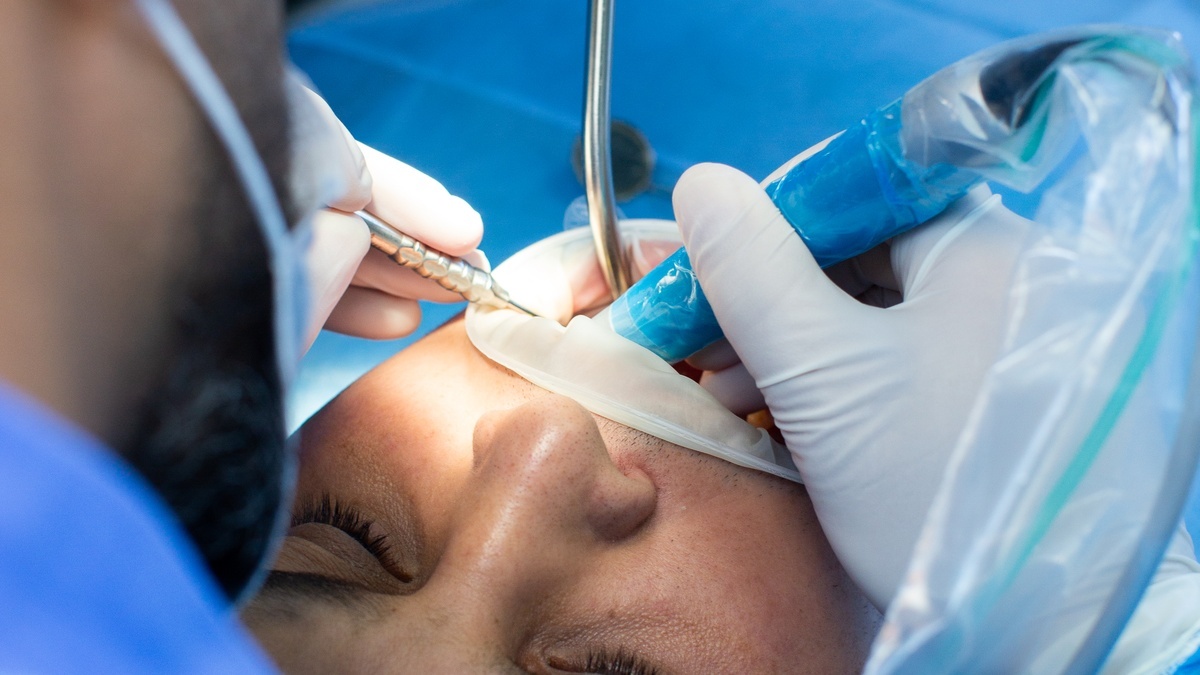
Wisdom Teeth Removal Guide: Symptoms, Treatment & Recovery
What is Wisdom Tooth removal?
When you are old enough and wise enough, your wisdom teeth will emerge. They are the third molars, in the very back of the mouth, on both the top and bottom. However, not everyone gets to have those special teeth or not all of them. Sometimes wisdom teeth can cause discomfort because there just isn't enough space for them, and because they come in last, they're the first to go. Therefore, dentists highly encourage you to consider dental for wisdom teeth extraction. Paying attention to early symptoms can make extracting a wisdom tooth easier and help prevent future complications.
What Are the Signs You May Need to Have Your Wisdom Teeth Removed?
Wisdom teeth don’t always cause trouble, but when they do, they can be real troublemakers that are hard to ignore. Early evaluation is the best way to avoid future complications.
Common symptoms include:
Persistent Pain in the Back of the Mouth: A dull ache or sharp pain behind your molars is one of the earliest signs your wisdom teeth may be trying to erupt.
Repeated Infections Near the Wisdom Teeth: When wisdom teeth partially erupt, they create small openings where bacteria can get trapped, leading to recurring gum infections.
Swelling Around the Jaw or Gums: Inflammation or puffiness in the jaw area often indicates irritation or infection around the wisdom teeth.
Cyst Growth: Impacted teeth can sometimes form cysts, which can damage the jawbone or nearby teeth if they go untreated.
Damage to Surrounding Teeth: Wisdom teeth can push against the nearby molars, causing crowding, shifting, or decay.
If you're experiencing any of these symptoms, don't let it ruin your life! Talk to your provider about dental for wisdom teeth extraction to prevent long-term issues.
Complete Process for Treating Impacted Wisdom Teeth
When wisdom teeth don’t have enough space to grow, they feel unwelcome and start acting up. Impacted wisdom teeth can lead to discomfort, infection, and structural problems with surrounding teeth.
To diagnose it, your dentist will take X-rays to see how the wisdom teeth are positioned and whether they pose a potential risk. Then, depending on your situation, your dentist may recommend:
Monitoring – if the teeth are not yet causing problems
Wisdom tooth extraction – for symptomatic or high-risk teeth
Surgical removal – for deeply impacted or complicated cases
Most extractions are completed using local anaesthesia, sedation, or general anaesthesia, depending on your needs. Sedation helps you stay calm and comfortable throughout the procedure. Healing typically takes several days to a week. Swelling, mild bleeding, and tenderness are normal early on and improve with proper aftercare.
Why Does Taking Care of Wisdom Teeth Early Pay Off?
Even if your wisdom teeth aren’t causing pain (yet!), removing or evaluating them early can prevent serious dental problems down the road. Younger patients also tend to heal faster, experience fewer complications, and have smoother recoveries (don’t we all love being young?). Here are some of the benefits of acting early:
- Faster and easier recovery
- Less damage to nearby teeth
- Lower overall dental costs
- Simpler, less invasive procedure
- Avoids unnecessary pain
How do you prepare for wisdom teeth removal?
A little preparation goes a long way. Here is what we suggest:
- If sedation will be used, the fasting rules are: no food or drink for 6–8 hours before.
- Arrange a ride home after the procedure.
- Prepare an aftercare kit with gauze, ice packs, and pain relief.
- Remember to ask the dentist any last-minute questions about the procedure.
Aftercare Instructions for Wisdom Teeth Removal
Following your care instructions is essential for smooth healing and avoiding complications like infection or dry socket. Your dentist will provide personalized steps, but these are the most important guidelines:
How Long Does It Take to Recover from Wisdom Teeth Removal Surgery?
Most people find that wisdom teeth extraction recovery time is within 3–7 days. Mild swelling peaks around day two or three, then improves. As with anything in life, it gets better. Full healing of the extraction site may take several weeks, but everyday activities typically resume quickly, often within just a few days.
When to Seek Help from Your Dentist?
It is important to recognize warning signs that indicate something may be wrong after a dental procedure. Signs include: increasing pain after the third day, fever or chills, pus or foul taste in your mouth, bleeding that won’t stop, numbness that persists, and worsening swelling. Contact your dentist early to prevent complications or worsening symptoms.
Benefits and Complications of Wisdom Teeth Removal
Wisdom teeth are often removed to prevent future complications even when not painful in the moment.
Benefits of removal include:
- Preventing overcrowding of teeth
- Reducing the risk of infection or cysts
- Avoiding gum inflammation and jaw pain
- Improving overall oral hygiene and bite alignment
Potential complications or risks include:
- Pain and swelling after surgery
- Bleeding that may last several hours post-procedure
- Dry socket (when the blood clot dislodges prematurely)
- Infection at the extraction site
- Nerve injury causing temporary or (rarely) permanent numbness.
- Stiffness in the jaw or limited mouth opening during healing
Conclusion
Wisdom teeth may not always act up right away, but understanding the early warning signs can help you avoid complications later on and don’t we all try to avoid stress in life? Early evaluation and removal can protect your peace and ensure a smoother recovery. If you're experiencing discomfort or noticing changes in the back of your mouth, schedule an appointment to discuss your options.
FAQs
Do all wisdom teeth need to be removed?
Not always. Your dentist might recommend removal only if the teeth are impacted, causing symptoms, or if there is a threat of it leading to complications.
How long does wisdom teeth extraction recovery take?
Wisdom teeth extraction recovery takes about 3–7 days, though full recovery continues over several weeks. Make sure to follow your dentist’s wisdom teeth extraction aftercare for a smoother recovery.
Can I avoid wisdom teeth removal if I don’t have symptoms?
Possibly, but many problems develop quietly. Regular dental exams are important to detect issues early on.
For wisdom teeth extraction aftercare, how can I reduce swelling and pain?
Use ice packs during the first 24 hours, take prescribed medications, rest, and follow your aftercare instructions.
What is Wisdom Tooth removal?
When you are old enough and wise enough, your wisdom teeth will emerge. They are the third molars, in the very back of the mouth, on both the top and bottom. However, not everyone gets to have those special teeth or not all of them. Sometimes wisdom teeth can cause discomfort because there just isn't enough space for them, and because they come in last, they're the first to go. Therefore, dentists highly encourage you to consider dental for wisdom teeth extraction. Paying attention to early symptoms can make extracting a wisdom tooth easier and help prevent future complications.
What Are the Signs You May Need to Have Your Wisdom Teeth Removed?
Wisdom teeth don’t always cause trouble, but when they do, they can be real troublemakers that are hard to ignore. Early evaluation is the best way to avoid future complications.
Common symptoms include:
Persistent Pain in the Back of the Mouth: A dull ache or sharp pain behind your molars is one of the earliest signs your wisdom teeth may be trying to erupt.
Repeated Infections Near the Wisdom Teeth: When wisdom teeth partially erupt, they create small openings where bacteria can get trapped, leading to recurring gum infections.
Swelling Around the Jaw or Gums: Inflammation or puffiness in the jaw area often indicates irritation or infection around the wisdom teeth.
Cyst Growth: Impacted teeth can sometimes form cysts, which can damage the jawbone or nearby teeth if they go untreated.
Damage to Surrounding Teeth: Wisdom teeth can push against the nearby molars, causing crowding, shifting, or decay.
If you're experiencing any of these symptoms, don't let it ruin your life! Talk to your provider about dental for wisdom teeth extraction to prevent long-term issues.
Complete Process for Treating Impacted Wisdom Teeth
When wisdom teeth don’t have enough space to grow, they feel unwelcome and start acting up. Impacted wisdom teeth can lead to discomfort, infection, and structural problems with surrounding teeth.
To diagnose it, your dentist will take X-rays to see how the wisdom teeth are positioned and whether they pose a potential risk. Then, depending on your situation, your dentist may recommend:
Monitoring – if the teeth are not yet causing problems
Wisdom tooth extraction – for symptomatic or high-risk teeth
Surgical removal – for deeply impacted or complicated cases
Most extractions are completed using local anaesthesia, sedation, or general anaesthesia, depending on your needs. Sedation helps you stay calm and comfortable throughout the procedure. Healing typically takes several days to a week. Swelling, mild bleeding, and tenderness are normal early on and improve with proper aftercare.
Why Does Taking Care of Wisdom Teeth Early Pay Off?
Even if your wisdom teeth aren’t causing pain (yet!), removing or evaluating them early can prevent serious dental problems down the road. Younger patients also tend to heal faster, experience fewer complications, and have smoother recoveries (don’t we all love being young?). Here are some of the benefits of acting early:
- Faster and easier recovery
- Less damage to nearby teeth
- Lower overall dental costs
- Simpler, less invasive procedure
- Avoids unnecessary pain
How do you prepare for wisdom teeth removal?
A little preparation goes a long way. Here is what we suggest:
- If sedation will be used, the fasting rules are: no food or drink for 6–8 hours before.
- Arrange a ride home after the procedure.
- Prepare an aftercare kit with gauze, ice packs, and pain relief.
- Remember to ask the dentist any last-minute questions about the procedure.
Aftercare Instructions for Wisdom Teeth Removal
Following your care instructions is essential for smooth healing and avoiding complications like infection or dry socket. Your dentist will provide personalized steps, but these are the most important guidelines:
How Long Does It Take to Recover from Wisdom Teeth Removal Surgery?
Most people find that wisdom teeth extraction recovery time is within 3–7 days. Mild swelling peaks around day two or three, then improves. As with anything in life, it gets better. Full healing of the extraction site may take several weeks, but everyday activities typically resume quickly, often within just a few days.
When to Seek Help from Your Dentist?
It is important to recognize warning signs that indicate something may be wrong after a dental procedure. Signs include: increasing pain after the third day, fever or chills, pus or foul taste in your mouth, bleeding that won’t stop, numbness that persists, and worsening swelling. Contact your dentist early to prevent complications or worsening symptoms.
Benefits and Complications of Wisdom Teeth Removal
Wisdom teeth are often removed to prevent future complications even when not painful in the moment.
Benefits of removal include:
- Preventing overcrowding of teeth
- Reducing the risk of infection or cysts
- Avoiding gum inflammation and jaw pain
- Improving overall oral hygiene and bite alignment
Potential complications or risks include:
- Pain and swelling after surgery
- Bleeding that may last several hours post-procedure
- Dry socket (when the blood clot dislodges prematurely)
- Infection at the extraction site
- Nerve injury causing temporary or (rarely) permanent numbness.
- Stiffness in the jaw or limited mouth opening during healing
Conclusion
Wisdom teeth may not always act up right away, but understanding the early warning signs can help you avoid complications later on and don’t we all try to avoid stress in life? Early evaluation and removal can protect your peace and ensure a smoother recovery. If you're experiencing discomfort or noticing changes in the back of your mouth, schedule an appointment to discuss your options.
FAQs
Do all wisdom teeth need to be removed?
Not always. Your dentist might recommend removal only if the teeth are impacted, causing symptoms, or if there is a threat of it leading to complications.
How long does wisdom teeth extraction recovery take?
Wisdom teeth extraction recovery takes about 3–7 days, though full recovery continues over several weeks. Make sure to follow your dentist’s wisdom teeth extraction aftercare for a smoother recovery.
Can I avoid wisdom teeth removal if I don’t have symptoms?
Possibly, but many problems develop quietly. Regular dental exams are important to detect issues early on.
For wisdom teeth extraction aftercare, how can I reduce swelling and pain?
Use ice packs during the first 24 hours, take prescribed medications, rest, and follow your aftercare instructions.
Related Articles
find a location
Related Articles