What Are Dental Implants? A Complete Guide to Permanent Tooth Replacement
What Are Dental Implants?
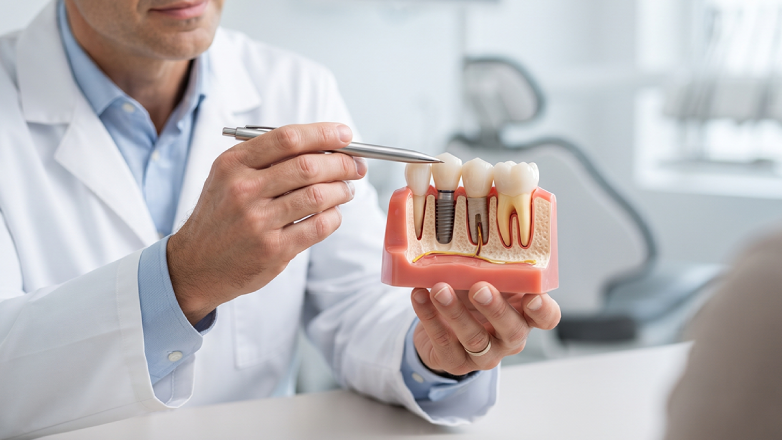
Dental implants are artificial tooth roots used to replace missing teeth, and they are widely considered the most reliable, long-term solution available. Each implant is a small titanium post placed into the jawbone. Over time, it naturally fuses with the bone, creating a stable foundation for a replacement tooth. Once healed, the implant is topped with a custom-made crown, bridge, or denture, depending on your needs. The final result looks and feels just like a natural tooth. Because implants are anchored in the jaw, they restore your ability to eat and speak, allowing you to smile confidently.
How Do Dental Implants Work?
Dental implants work through a natural process called osseointegration. This is when your jawbone bonds with the titanium post, locking it firmly in place. This process usually takes about 3 to 6 months, but it’s what gives implants their strength and stability. Unlike dentures or bridges, implants act just like real tooth roots, helping preserve your jawbone and maintain your facial structure over time.
Types of Dental Implants
There are several types of dental implants that you can choose from:
Endosteal Implants
Endosteal implants are the most common type and work best if you have enough healthy jawbone, since they are placed directly into the bone. These small screws or cylinders provide a stable foundation to support your new custom crown, bridge, or denture.
Subperiosteal Implants
Subperiosteal implants are a great option for patients who don't have enough bone. A custom metal frame sits on top of the jawbone instead of inside it.
All-on-4 Dental Implants
All-on-4 dental implants are a cost-effective way to replace an entire arch of missing teeth using just four strategically placed implants. This method often allows for the placement of a complete set of new teeth on the same day as your surgery.
All-on-6 Dental Implants
All-on-6 implants are similar to All-on-4, but we use 6 posts instead of 4 to give your full arch even more stability and load distribution. This extra support is ideal for those who need a bit more strength for the longest-lasting results.
Mini Dental Implants
Mini dental implants are much smaller than traditional implants, which means they require a less invasive procedure and often come with a lower cost and faster healing time. They are the perfect choice for stabilizing loose dentures or replacing small teeth when you have limited bone density.
Zygomatic Implants
Zygomatic implants are used for severe upper jaw bone loss and are anchored directly into your cheekbone, completely avoiding the need for extensive bone grafting.
The Dental Implant Procedure: What to Expect
- Consultation: Your dentist will examine your teeth, take CBCT scans, and do a bone assessment to decide if implants are right for you.
- Implant surgery: The titanium post is gently placed into the jawbone.
- Healing/osseointegration: The implant bonds with the bone over 3-6 months.
- Finally, a custom crown is placed to complete your new tooth.
Dental Implant benefits
- Preserve jawbone
- Preventing shrinkage
- No damage to adjacent teeth
- 95%+ success rate
- Lasts 25+ years
- Improves speech and chewing functions
- Maintains face shape
- Superior to bridges/dentures in the long term
- Boosts confidence!
Dental Implant Candidacy, Who Is It For?
- One or more missing teeth
- Completed jawbone growth (typically 18+ years)
- Adequate bone density and volume
- Healthy gums free of periodontal disease
- Good general health
- Non-smoker or willing to quit
- Committed to excellent oral hygiene
- Realistic expectations about outcomes
How Long Do Dental Implants Last?
Dental implants are designed to be a lifelong solution, with a success rate of approximately 95%. While the custom crown may need to be replaced after 10 to 15 years due to normal wear and tear, the titanium post itself can last a lifetime with proper care. Longevity depends on excellent oral hygiene, including regular brushing, flossing, and dental checkups, as well as maintaining good overall health.
Dental Implant Costs and Financing Options
While dental implant costs are a significant consideration, they are a worthwhile long-term investment. A single implant with a crown generally ranges from $3,000 to $6,000, while full-arch solutions like All-on-4 can range from $15,000 to $30,000 per arch. The final price depends on factors such as the number of implants needed, the specific type selected, and whether bone grafts or extractions are required. Many dental insurance plans cover a portion of the procedure, and we offer flexible financing options to make treatment accessible.
Dental Implants vs. Other Tooth Replacement Options
Dental Implants vs. Bridges
One of the biggest advantages of implants is that they protect your healthy teeth, as we don't have to grind down adjacent teeth to anchor them, as bridges require. While the initial investment might be higher, implants offer greater long-term value by lasting 25 years or more, compared to 10-15 years for bridges.
Dental Implants vs. Dentures
Dentures are removable, whereas implants are a fixed, permanent option that functions like natural teeth. Implants provide better chewing power and eliminate concerns about slipping, clicking, or messy adhesives. Additionally, implants actively prevent bone loss—which dentures can actually accelerate—making them easier to maintain and a more cost-effective choice in the long run.
Implant-Supported Dentures
If you are looking for an optimal blend of stability and affordability, implant-supported dentures are the right solution for you! This option uses just two to four strategically placed implants to securely anchor a full denture, giving you much greater confidence and stability than traditional dentures without the need for an implant for every missing tooth. This is a great, budget-conscious way to get a fixed or highly stable removable solution.
Caring for Your Dental Implants
After getting your implant placed, you will start the healing process. To help minimize swelling and discomfort, you can use ice packs for the first 48 hours and manage any mild pain with prescribed or over-the-counter medication. Stick to a soft food diet for the first week, and remember to avoid smoking, alcohol, and strenuous exercise for a few days. After 24 hours, rinse gently with salt water to help keep the area clean.
Once you’ve healed, caring for your dental implant is just like caring for a natural tooth, but with a few special considerations. Your daily routine should include brushing twice a day with a soft-bristled brush and using specialized floss or interdental brushes to clean around the implant base. Avoid hard objects like ice or candy, and use a nightguard if you grind your teeth. Visit your dentist every 6 months for checkups, cleanings, and X-rays to monitor your bone levels and prevent issues from arising.
Potential Risks and Complications
While the overall success rate for implants is very high, we want to be transparent about potential risks and complications.
- Minor swelling, bruising, or bleeding at the surgical site
- Temporary discomfort and pain
- Infections
- Implant failure or rejection
- Chance of sinus problems, such as the implant penetrating the sinus cavity
- Nerve damage that causes temporary numbness
- Bone loss around the implant, known as peri-implantitis
We use advanced technology and careful planning to minimize these risks significantly. However, certain lifestyle and health factors could increase risk, such as smoking, insufficient bone quality, uncontrolled diabetes, poor oral hygiene, certain medications, and teeth grinding.
Why Choose Riccobene for Your Dental Implants?
At Riccobene, you will be treated by board-certified implant specialists with years of experience and a high success rate, ensuring your smile is in the most skilled hands. We use advanced technology and a gentle approach to ensure your procedure is precise and efficient, keeping you comfortable throughout. Additionally, we provide affordable solutions by helping coordinate flexible financing options and accepting a wide range of insurance plans to make treatment affordable and accessible. We strive to make our office a warm, inviting, and patient-friendly place where you can keep smiling confidently. Schedule your appointment today to get your dream smile!
Frequently Asked Questions About Dental Implants
What are dental implants made of?
The post that is placed into the jaw is made of titanium, which is strong and biocompatible. It is topped with a custom-made crown that looks and feels like a natural tooth.
How long does the dental implant process take from start to finish?
The overall process includes a healing period where the titanium post fuses with your jawbone, which typically takes about 3 to 6 months. This fusion time is crucial as it ensures your implant has a strong, stable foundation.
Is the dental implant procedure painful?
No. We offer sedation options so you can relax completely during the surgery. It is normal to experience some temporary, mild discomfort or swelling afterward, but this is easily managed with medication and typically resolves as you heal.
Can dental implants get cavities?
No, one of the dental implant benefits is that it cannot get a cavity since the visible part of the implant is a custom-made, artificial crown.
How long do dental implants last?
With proper care, the titanium implant post is designed to be a lifelong solution and can last for the rest of your life! However, the crown on top might just need a refresh after about 10 or 15 years due to normal wear and tear.
What is the success rate of a dental implant procedure?
The success rate for dental implants is between 95% and 98%. We use advanced technology and expert care to give you the very best chance for a successful, long-lasting result.
How much do dental implants cost?
The cost varies depending on the type of dental implants. A single implant with a crown usually ranges from $3,000 to $6,000, while full-arch solutions like All-on-4 are between $15,000 and $30,000 per arch. We’re happy to discuss affordable solutions and financing to help make this long-term investment manageable for you.
Does insurance cover dental implants?
Yes, many dental insurance plans cover a portion of the cost. Give us a call, and we are happy to help verify your coverage.
What is the difference between dental implants and dentures?
Dentures are a removable solution, but implants are a fixed, permanent option that acts just like natural teeth with no slipping or messy adhesives. Implants also offer dramatically better chewing power compared to dentures.
Can smokers get dental implants?
While it is possible, smoking is a major risk factor that significantly increases the chance of implant failure, so being a non-smoker or willing to quit before the procedure is important.
Can dental implants fail?
The risk of implant failure is extremely low, occurring in only about 2% to 5% of cases. We take great measures to minimize any risks and ensure your long-term success.
Are there alternatives to dental implants?
Yes, the main alternatives are traditional bridges and removable dentures. However, if you're looking for a middle ground, implant-supported dentures are a fantastic solution that offers greater stability and confidence than traditional dentures.
What Are Dental Implants?
Dental implants are artificial tooth roots used to replace missing teeth, and they are widely considered the most reliable, long-term solution available. Each implant is a small titanium post placed into the jawbone. Over time, it naturally fuses with the bone, creating a stable foundation for a replacement tooth. Once healed, the implant is topped with a custom-made crown, bridge, or denture, depending on your needs. The final result looks and feels just like a natural tooth. Because implants are anchored in the jaw, they restore your ability to eat and speak, allowing you to smile confidently.
How Do Dental Implants Work?
Dental implants work through a natural process called osseointegration. This is when your jawbone bonds with the titanium post, locking it firmly in place. This process usually takes about 3 to 6 months, but it’s what gives implants their strength and stability. Unlike dentures or bridges, implants act just like real tooth roots, helping preserve your jawbone and maintain your facial structure over time.
Types of Dental Implants
There are several types of dental implants that you can choose from:
Endosteal Implants
Endosteal implants are the most common type and work best if you have enough healthy jawbone, since they are placed directly into the bone. These small screws or cylinders provide a stable foundation to support your new custom crown, bridge, or denture.
Subperiosteal Implants
Subperiosteal implants are a great option for patients who don't have enough bone. A custom metal frame sits on top of the jawbone instead of inside it.
All-on-4 Dental Implants
All-on-4 dental implants are a cost-effective way to replace an entire arch of missing teeth using just four strategically placed implants. This method often allows for the placement of a complete set of new teeth on the same day as your surgery.
All-on-6 Dental Implants
All-on-6 implants are similar to All-on-4, but we use 6 posts instead of 4 to give your full arch even more stability and load distribution. This extra support is ideal for those who need a bit more strength for the longest-lasting results.
Mini Dental Implants
Mini dental implants are much smaller than traditional implants, which means they require a less invasive procedure and often come with a lower cost and faster healing time. They are the perfect choice for stabilizing loose dentures or replacing small teeth when you have limited bone density.
Zygomatic Implants
Zygomatic implants are used for severe upper jaw bone loss and are anchored directly into your cheekbone, completely avoiding the need for extensive bone grafting.
The Dental Implant Procedure: What to Expect
- Consultation: Your dentist will examine your teeth, take CBCT scans, and do a bone assessment to decide if implants are right for you.
- Implant surgery: The titanium post is gently placed into the jawbone.
- Healing/osseointegration: The implant bonds with the bone over 3-6 months.
- Finally, a custom crown is placed to complete your new tooth.
Dental Implant benefits
- Preserve jawbone
- Preventing shrinkage
- No damage to adjacent teeth
- 95%+ success rate
- Lasts 25+ years
- Improves speech and chewing functions
- Maintains face shape
- Superior to bridges/dentures in the long term
- Boosts confidence!
Dental Implant Candidacy, Who Is It For?
- One or more missing teeth
- Completed jawbone growth (typically 18+ years)
- Adequate bone density and volume
- Healthy gums free of periodontal disease
- Good general health
- Non-smoker or willing to quit
- Committed to excellent oral hygiene
- Realistic expectations about outcomes
How Long Do Dental Implants Last?
Dental implants are designed to be a lifelong solution, with a success rate of approximately 95%. While the custom crown may need to be replaced after 10 to 15 years due to normal wear and tear, the titanium post itself can last a lifetime with proper care. Longevity depends on excellent oral hygiene, including regular brushing, flossing, and dental checkups, as well as maintaining good overall health.
Dental Implant Costs and Financing Options
While dental implant costs are a significant consideration, they are a worthwhile long-term investment. A single implant with a crown generally ranges from $3,000 to $6,000, while full-arch solutions like All-on-4 can range from $15,000 to $30,000 per arch. The final price depends on factors such as the number of implants needed, the specific type selected, and whether bone grafts or extractions are required. Many dental insurance plans cover a portion of the procedure, and we offer flexible financing options to make treatment accessible.
Dental Implants vs. Other Tooth Replacement Options
Dental Implants vs. Bridges
One of the biggest advantages of implants is that they protect your healthy teeth, as we don't have to grind down adjacent teeth to anchor them, as bridges require. While the initial investment might be higher, implants offer greater long-term value by lasting 25 years or more, compared to 10-15 years for bridges.
Dental Implants vs. Dentures
Dentures are removable, whereas implants are a fixed, permanent option that functions like natural teeth. Implants provide better chewing power and eliminate concerns about slipping, clicking, or messy adhesives. Additionally, implants actively prevent bone loss—which dentures can actually accelerate—making them easier to maintain and a more cost-effective choice in the long run.
Implant-Supported Dentures
If you are looking for an optimal blend of stability and affordability, implant-supported dentures are the right solution for you! This option uses just two to four strategically placed implants to securely anchor a full denture, giving you much greater confidence and stability than traditional dentures without the need for an implant for every missing tooth. This is a great, budget-conscious way to get a fixed or highly stable removable solution.
Caring for Your Dental Implants
After getting your implant placed, you will start the healing process. To help minimize swelling and discomfort, you can use ice packs for the first 48 hours and manage any mild pain with prescribed or over-the-counter medication. Stick to a soft food diet for the first week, and remember to avoid smoking, alcohol, and strenuous exercise for a few days. After 24 hours, rinse gently with salt water to help keep the area clean.
Once you’ve healed, caring for your dental implant is just like caring for a natural tooth, but with a few special considerations. Your daily routine should include brushing twice a day with a soft-bristled brush and using specialized floss or interdental brushes to clean around the implant base. Avoid hard objects like ice or candy, and use a nightguard if you grind your teeth. Visit your dentist every 6 months for checkups, cleanings, and X-rays to monitor your bone levels and prevent issues from arising.
Potential Risks and Complications
While the overall success rate for implants is very high, we want to be transparent about potential risks and complications.
- Minor swelling, bruising, or bleeding at the surgical site
- Temporary discomfort and pain
- Infections
- Implant failure or rejection
- Chance of sinus problems, such as the implant penetrating the sinus cavity
- Nerve damage that causes temporary numbness
- Bone loss around the implant, known as peri-implantitis
We use advanced technology and careful planning to minimize these risks significantly. However, certain lifestyle and health factors could increase risk, such as smoking, insufficient bone quality, uncontrolled diabetes, poor oral hygiene, certain medications, and teeth grinding.
Why Choose Riccobene for Your Dental Implants?
At Riccobene, you will be treated by board-certified implant specialists with years of experience and a high success rate, ensuring your smile is in the most skilled hands. We use advanced technology and a gentle approach to ensure your procedure is precise and efficient, keeping you comfortable throughout. Additionally, we provide affordable solutions by helping coordinate flexible financing options and accepting a wide range of insurance plans to make treatment affordable and accessible. We strive to make our office a warm, inviting, and patient-friendly place where you can keep smiling confidently. Schedule your appointment today to get your dream smile!
Frequently Asked Questions About Dental Implants
What are dental implants made of?
The post that is placed into the jaw is made of titanium, which is strong and biocompatible. It is topped with a custom-made crown that looks and feels like a natural tooth.
How long does the dental implant process take from start to finish?
The overall process includes a healing period where the titanium post fuses with your jawbone, which typically takes about 3 to 6 months. This fusion time is crucial as it ensures your implant has a strong, stable foundation.
Is the dental implant procedure painful?
No. We offer sedation options so you can relax completely during the surgery. It is normal to experience some temporary, mild discomfort or swelling afterward, but this is easily managed with medication and typically resolves as you heal.
Can dental implants get cavities?
No, one of the dental implant benefits is that it cannot get a cavity since the visible part of the implant is a custom-made, artificial crown.
How long do dental implants last?
With proper care, the titanium implant post is designed to be a lifelong solution and can last for the rest of your life! However, the crown on top might just need a refresh after about 10 or 15 years due to normal wear and tear.
What is the success rate of a dental implant procedure?
The success rate for dental implants is between 95% and 98%. We use advanced technology and expert care to give you the very best chance for a successful, long-lasting result.
How much do dental implants cost?
The cost varies depending on the type of dental implants. A single implant with a crown usually ranges from $3,000 to $6,000, while full-arch solutions like All-on-4 are between $15,000 and $30,000 per arch. We’re happy to discuss affordable solutions and financing to help make this long-term investment manageable for you.
Does insurance cover dental implants?
Yes, many dental insurance plans cover a portion of the cost. Give us a call, and we are happy to help verify your coverage.
What is the difference between dental implants and dentures?
Dentures are a removable solution, but implants are a fixed, permanent option that acts just like natural teeth with no slipping or messy adhesives. Implants also offer dramatically better chewing power compared to dentures.
Can smokers get dental implants?
While it is possible, smoking is a major risk factor that significantly increases the chance of implant failure, so being a non-smoker or willing to quit before the procedure is important.
Can dental implants fail?
The risk of implant failure is extremely low, occurring in only about 2% to 5% of cases. We take great measures to minimize any risks and ensure your long-term success.
Are there alternatives to dental implants?
Yes, the main alternatives are traditional bridges and removable dentures. However, if you're looking for a middle ground, implant-supported dentures are a fantastic solution that offers greater stability and confidence than traditional dentures.
Related Articles
find a location