What Causes Tooth Discoloration and How You Can Treat It?
What is Tooth Discoloration?
Tooth discoloration: sounds like a pretty formal way to say “my teeth aren’t as white as they used to be,” doesn’t it? And it is. We dentists refer to your teeth taking on any shade other than their original, near-white shade as tooth discoloration.
Teeth can actually turn a number of colors (yellow, brown, gray, even purplish or reddish) for a number of reasons, but the most common culprit are surface stains caused by the things we put in our mouth. Coffee, tea, red wine and tobacco are the most common offenders, but anything that’s strongly colored and highly acidic may contribute to discoloration.
Other times, the inside of your tooth may change color. We see this happen often with injuries, as a result of some health conditions, or as a side effect of prescribed medications.
Understanding what causes tooth discoloration and what can be done about it is the first step towards choosing whether or not you want to treat your tooth discoloration and if so, how.
Causes Of Tooth Discoloration
There are three big reasons why tooth discoloration occurs, and knowing why your teeth change color is important to diagnose so you know what can be done about it. First, things can happen to the outside of our teeth - extrinsic tooth discoloration leads to stained teeth. Second, things can happen to the inside of our teeth - intrinsic tooth discoloration. Third, either or both of these causes can be exacerbated and made worse by age-related changes in dental health.
Extrinsic tooth discoloration: By far the most common cause of tooth discoloration, “extrinsic” means “on the outside.” Put simply, our teeth came into contact with something that stained them, and we haven’t used the right thing to get the stains to lift out. It’s often caused by food and drink, or other substances we put in our mouths - coffee, tea, dark soda (cola), red wine, and tobacco all make the list of common offenders. The outermost layer of your tooth - your ‘enamel’ - is what stains and discolors.
Intrinsic tooth discoloration: The opposite of “extrinsic” is “intrinsic,” meaning “on the inside.” The inside of a tooth isn’t white to start with, instead being a naturally occurring shade of yellow (your ‘dentin’) around blood vessels and nerves inside your tooth, which would appear blue or red. Damage or other changes to the inside of your tooth from trauma, medication side effects, or health conditions can cause these colors to appear through your enamel, altering the look of your whole tooth.
Age-related discoloration: Enamel thins as we use our teeth, and the older we get the more use they’ve gotten. Whether stains have had longer to accumulate, there is less enamel to stain or see through, or we’re more likely to have experienced some or all of the things that can cause intrinsic tooth discoloration, our teeth are more likely to discolor the older we get.
Tooth discoloration causes by color
When diagnosing tooth discoloration, we look at several factors: color, severity, and suddenness. What color your teeth are turning may indicate what’s wrong. How drastically they’ve changed color may help us determine treatment options, and suddenness may help us isolate the cause of tooth discoloration and prevent it from recurring.
Let’s start with color.
Yellow Teeth: usually associated with surface stains from dark or acidic food, yellow teeth can also be a result of enamel thinning over time causing the naturally yellow dentin beneath your enamel to show through.
Brown Teeth: long-term tobacco use, poor dental hygiene (inconsistent brushing or flossing) or medication can turn your teeth brown. Decaying teeth also turn brown.
Gray Teeth: a light gray tinge to your teeth usually indicates something happening internally. Trauma to your tooth, root damage, or use of some antibiotics (tetracycline) can turn teeth gray, which usually requires professional intervention to treat.
Black Teeth: black is a sign of severe decay or buildup of tartar. In some cases, metal exposure or other health conditions can turn teeth black.
If you notice your teeth changing color, it’s important to contact a dentist quickly to diagnose the issue and remedy the problem.
Types of Stains
Some discoloration is temporary and transient - think dirt on your clothing that you can wipe off. If discoloration is caused by things like tartar or plaque buildup, it may be as simple as improving your oral hygiene routines or seeing a dentist for a deep clean during your routine care. Often, sudden discoloration of teeth is temporary or caused by things which may be quickly reversed.
Other discoloration is more embedded, taking the form of stains. Just as it takes a little more care to get a red wine stain out of a blouse or shirt, it may take a little more effort to remove teeth stains. We refer to the stains similarly to the broader discoloration as intrinsic stains, extrinsic stains and age-related stains.
Intrinsic Stains
Intrinsic stains usually aren’t caused by diet and contact with external agents. They’re caused by trauma, some medication, exposure to fluoride (in significant quantities, beyond what you’d see from regular use of toothpaste containing fluoride), or other developmental conditions. They’re harder to treat and may not respond to traditional whitening - depending on the cause, you may need to work with your dentist and doctor to address restorative solutions to trauma, adjustments to medication, or solutions like veneers that cover rather than reverse or eliminate intrinsic stains.
Extrinsic Stains
Extrinsic stains, as we’ve learned, are caused by what touches the outside surface of your teeth - primarily food, drinks, smoking or accumulated plaque and bacteria as a result of poor oral hygiene. Professional tooth whitening procedures are designed to act on extrinsic stains and regular cleanings can either delay the need for tooth whitening or preserve the effects of tooth whitening over time.
Age-Related Stains
Just like old pictures yellow with time, our teeth accumulate age-related stains. This happens even if you have perfect oral hygiene, because enamel (which covers the yellow dentin inside your teeth) breaks down over time. So not only is it easier for your teeth to accumulate extrinsic stains, the thinner enamel compounds the problem by exposing the yellow dentin beneath - even if that dentin isn’t affected by intrinsic stains.
Tooth Discoloration Prevention
Tooth discoloration treatment isn’t Harry Potter-style wizardry, it’s a little more traditional: good oral hygiene is your best bet. Brush your teeth regularly (twice a day) with high quality toothpaste, and make sure you both floss daily and rinse regularly. To the extent you can avoid staining food and substances, do so; when you can’t avoid food or substances that may stain your teeth just make a point to give your teeth a good brushing as soon as possible.
To avoid teeth discoloration caused by vitamin deficiencies, consider a multivitamin daily and discussing your nutritional needs with both your dentist and doctor.
Tooth Discoloration Treatment
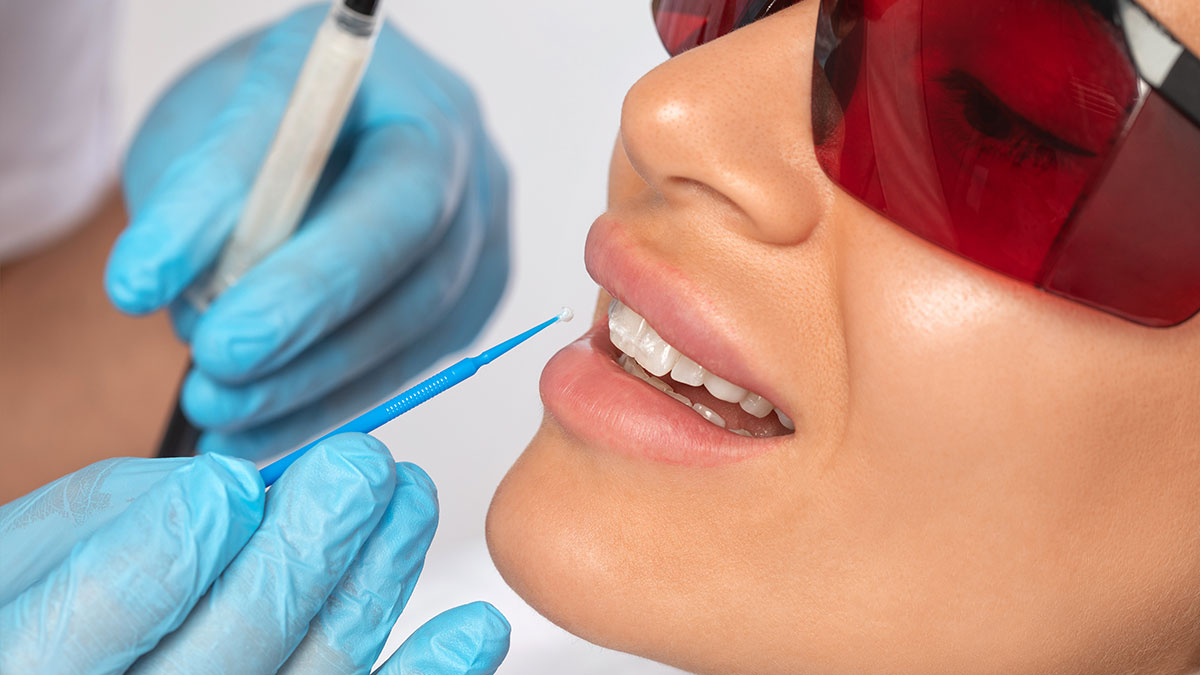
Tooth discoloration treatment is dependent on what causes the white discoloration on your teeth. Extrinsic staining is the easiest to treat and can be addressed through professional, in-office tooth whitening procedures, dentist-prescribed at-home whitening kits, or over the counter kits. External and age related tooth discoloration is more likely to be treated with veneers or dental bonding.
FAQs About Teeth Discoloration
Can staining from food or drinks be reversed?
While you can’t always eliminate 100% of stains, you can often lift stains from food and drink. Just like when you’re considering clothing or fabric stains on furniture, it’s easiest to reverse staining immediately after it occurs.
What might gray or dark-colored teeth indicate?
Gray stains or dark-colored teeth usually indicate internal damage caused by trauma, medication or chemical exposure. There may be other causes, so it’s important to consult a dentist.
Is age-related discoloration normal?
Age-related tooth discoloration is completely normal as our teeth go through a lifetime of use. Enamel thins over time, and while your oral habits can make a significant difference in how prone to stains you may be, genetics and environment also play a role.
Is tooth discoloration always cosmetic, or can it signal a problem?
The most common tooth discoloration is cosmetic, but it almost always signals at least minor other problems. Whether tooth discoloration is a gentle reminder to reinforce our tooth-care habits, or a sign of more serious issues like unforeseen reactions to medication, tooth discoloration should be taken seriously and addressed with a dentist.
What is Tooth Discoloration?
Tooth discoloration: sounds like a pretty formal way to say “my teeth aren’t as white as they used to be,” doesn’t it? And it is. We dentists refer to your teeth taking on any shade other than their original, near-white shade as tooth discoloration.
Teeth can actually turn a number of colors (yellow, brown, gray, even purplish or reddish) for a number of reasons, but the most common culprit are surface stains caused by the things we put in our mouth. Coffee, tea, red wine and tobacco are the most common offenders, but anything that’s strongly colored and highly acidic may contribute to discoloration.
Other times, the inside of your tooth may change color. We see this happen often with injuries, as a result of some health conditions, or as a side effect of prescribed medications.
Understanding what causes tooth discoloration and what can be done about it is the first step towards choosing whether or not you want to treat your tooth discoloration and if so, how.
Causes Of Tooth Discoloration
There are three big reasons why tooth discoloration occurs, and knowing why your teeth change color is important to diagnose so you know what can be done about it. First, things can happen to the outside of our teeth - extrinsic tooth discoloration leads to stained teeth. Second, things can happen to the inside of our teeth - intrinsic tooth discoloration. Third, either or both of these causes can be exacerbated and made worse by age-related changes in dental health.
Extrinsic tooth discoloration: By far the most common cause of tooth discoloration, “extrinsic” means “on the outside.” Put simply, our teeth came into contact with something that stained them, and we haven’t used the right thing to get the stains to lift out. It’s often caused by food and drink, or other substances we put in our mouths - coffee, tea, dark soda (cola), red wine, and tobacco all make the list of common offenders. The outermost layer of your tooth - your ‘enamel’ - is what stains and discolors.
Intrinsic tooth discoloration: The opposite of “extrinsic” is “intrinsic,” meaning “on the inside.” The inside of a tooth isn’t white to start with, instead being a naturally occurring shade of yellow (your ‘dentin’) around blood vessels and nerves inside your tooth, which would appear blue or red. Damage or other changes to the inside of your tooth from trauma, medication side effects, or health conditions can cause these colors to appear through your enamel, altering the look of your whole tooth.
Age-related discoloration: Enamel thins as we use our teeth, and the older we get the more use they’ve gotten. Whether stains have had longer to accumulate, there is less enamel to stain or see through, or we’re more likely to have experienced some or all of the things that can cause intrinsic tooth discoloration, our teeth are more likely to discolor the older we get.
Tooth discoloration causes by color
When diagnosing tooth discoloration, we look at several factors: color, severity, and suddenness. What color your teeth are turning may indicate what’s wrong. How drastically they’ve changed color may help us determine treatment options, and suddenness may help us isolate the cause of tooth discoloration and prevent it from recurring.
Let’s start with color.
Yellow Teeth: usually associated with surface stains from dark or acidic food, yellow teeth can also be a result of enamel thinning over time causing the naturally yellow dentin beneath your enamel to show through.
Brown Teeth: long-term tobacco use, poor dental hygiene (inconsistent brushing or flossing) or medication can turn your teeth brown. Decaying teeth also turn brown.
Gray Teeth: a light gray tinge to your teeth usually indicates something happening internally. Trauma to your tooth, root damage, or use of some antibiotics (tetracycline) can turn teeth gray, which usually requires professional intervention to treat.
Black Teeth: black is a sign of severe decay or buildup of tartar. In some cases, metal exposure or other health conditions can turn teeth black.
If you notice your teeth changing color, it’s important to contact a dentist quickly to diagnose the issue and remedy the problem.
Types of Stains
Some discoloration is temporary and transient - think dirt on your clothing that you can wipe off. If discoloration is caused by things like tartar or plaque buildup, it may be as simple as improving your oral hygiene routines or seeing a dentist for a deep clean during your routine care. Often, sudden discoloration of teeth is temporary or caused by things which may be quickly reversed.
Other discoloration is more embedded, taking the form of stains. Just as it takes a little more care to get a red wine stain out of a blouse or shirt, it may take a little more effort to remove teeth stains. We refer to the stains similarly to the broader discoloration as intrinsic stains, extrinsic stains and age-related stains.
Intrinsic Stains
Intrinsic stains usually aren’t caused by diet and contact with external agents. They’re caused by trauma, some medication, exposure to fluoride (in significant quantities, beyond what you’d see from regular use of toothpaste containing fluoride), or other developmental conditions. They’re harder to treat and may not respond to traditional whitening - depending on the cause, you may need to work with your dentist and doctor to address restorative solutions to trauma, adjustments to medication, or solutions like veneers that cover rather than reverse or eliminate intrinsic stains.
Extrinsic Stains
Extrinsic stains, as we’ve learned, are caused by what touches the outside surface of your teeth - primarily food, drinks, smoking or accumulated plaque and bacteria as a result of poor oral hygiene. Professional tooth whitening procedures are designed to act on extrinsic stains and regular cleanings can either delay the need for tooth whitening or preserve the effects of tooth whitening over time.
Age-Related Stains
Just like old pictures yellow with time, our teeth accumulate age-related stains. This happens even if you have perfect oral hygiene, because enamel (which covers the yellow dentin inside your teeth) breaks down over time. So not only is it easier for your teeth to accumulate extrinsic stains, the thinner enamel compounds the problem by exposing the yellow dentin beneath - even if that dentin isn’t affected by intrinsic stains.
Tooth Discoloration Prevention
Tooth discoloration treatment isn’t Harry Potter-style wizardry, it’s a little more traditional: good oral hygiene is your best bet. Brush your teeth regularly (twice a day) with high quality toothpaste, and make sure you both floss daily and rinse regularly. To the extent you can avoid staining food and substances, do so; when you can’t avoid food or substances that may stain your teeth just make a point to give your teeth a good brushing as soon as possible.
To avoid teeth discoloration caused by vitamin deficiencies, consider a multivitamin daily and discussing your nutritional needs with both your dentist and doctor.
Tooth Discoloration Treatment
Tooth discoloration treatment is dependent on what causes the white discoloration on your teeth. Extrinsic staining is the easiest to treat and can be addressed through professional, in-office tooth whitening procedures, dentist-prescribed at-home whitening kits, or over the counter kits. External and age related tooth discoloration is more likely to be treated with veneers or dental bonding.
FAQs About Teeth Discoloration
Can staining from food or drinks be reversed?
While you can’t always eliminate 100% of stains, you can often lift stains from food and drink. Just like when you’re considering clothing or fabric stains on furniture, it’s easiest to reverse staining immediately after it occurs.
What might gray or dark-colored teeth indicate?
Gray stains or dark-colored teeth usually indicate internal damage caused by trauma, medication or chemical exposure. There may be other causes, so it’s important to consult a dentist.
Is age-related discoloration normal?
Age-related tooth discoloration is completely normal as our teeth go through a lifetime of use. Enamel thins over time, and while your oral habits can make a significant difference in how prone to stains you may be, genetics and environment also play a role.
Is tooth discoloration always cosmetic, or can it signal a problem?
The most common tooth discoloration is cosmetic, but it almost always signals at least minor other problems. Whether tooth discoloration is a gentle reminder to reinforce our tooth-care habits, or a sign of more serious issues like unforeseen reactions to medication, tooth discoloration should be taken seriously and addressed with a dentist.
Related Articles
find a location
Related Articles