Understanding Root Canal Recovery Time
What is a Root Canal Procedure?
A root canal procedure is done to save a highly infected tooth by removing the damaged insides rather than getting rid of the tooth entirely. It is necessary when a tooth’s soft inner tissue has become so severely infected that it is at risk of spreading the infection to the surrounding teeth. The good news is that a root canal can only be done if the outside structure is still intact. Unlike a tooth extraction, this procedure keeps the bite in place and won't leave a gap.
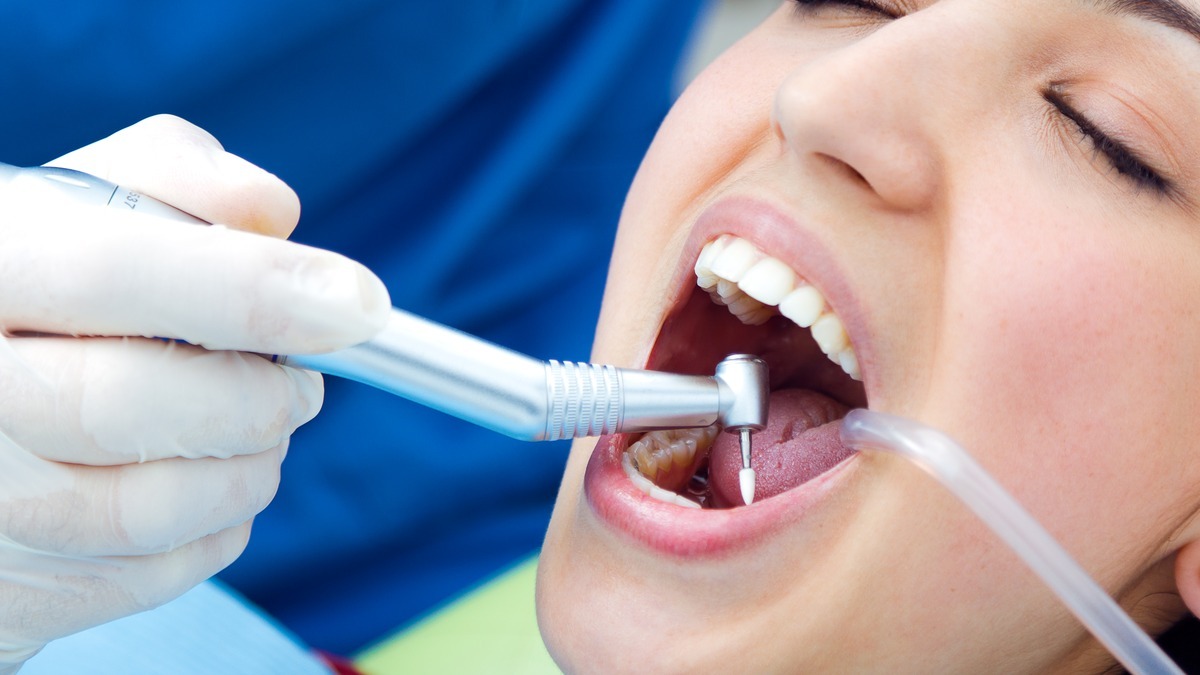
The root canal procedure starts by numbing the area with local anesthesia to ensure a pain-free experience. Then the dentists will create a small opening in the tooth to access and gently remove the infected pulp. The area will then be filled with a special material to keep the tooth strong and healthy. The opening will then be sealed to protect the tooth and prevent inflammation. Your dentist will guide you through the after root canal care, which often involves gentle brushing, avoiding hard foods, and resting. This will ensure a quick and smooth recovery after a root canal.
Why a Root Canal May Be Necessary?
A root canal may be a necessary procedure when the inside of a tooth, the pulp, is deeply infected. Common causes include tooth decay, deep cavities, bacterial infections, trauma to the tooth, or repeated dental procedures on the same tooth. Adults and individuals with poor oral hygiene or untreated cavities are more susceptible to developing pulp. Additionally, the prevalence of gum diseases such as gingivitis may increase the risk of complications that may lead to a root canal.
Recovery After a Root Canal
Root canal recovery timelines vary between individuals. Recovery depends on factors such as the severity of the infection or damage in the pulp, the complexity of the procedure, how quickly your body heals after the procedure, and your root canal after care.
Immediate Recovery (Days 1-3)
Experiencing some discomfort, minor bleeding, or mild swelling following the procedure is normal. For the first 1-3 days, we recommend avoiding chewing on the treated side and sticking to soft foods like yogurt, soup, or mashed potatoes to prevent pain while chewing. If necessary, use pain relievers and cold compresses to ease root canal pain, swelling, or sensitivity.
Early Recovery (Days 4-7)
As the area heals, you will notice overall improvement along with a decrease in pain and swelling. With proper root canal after-care, continue to brush your teeth gently and avoid hard foods for proper recovery.
During this time, watch out for the appearance of potential complications. This may include additional swelling, fever, or persistence in pain. If you are experiencing any of the above, please contact your dentist immediately to avoid the issue from escalating.
Full Recovery (Days 8-14)
After 8-14, it is expected that most patients experience minimal discomfort and be able to return to their normal routines. Still, follow-up visits are highly important for proper long-term care. Keep up with regular dental visits, at-home dental hygiene, and closely monitor the treated tooth to make sure it heals properly.
Managing Pain and Discomfort Post-Treatment
Experiencing pain post root canal procedure is expected but manageable. Common root canal aftercare tips include using over-the-counter medications to manage pain, keeping a soft food diet to allow the tooth to heal properly, and using cold compressions to reduce swelling.
Root Canal After Care Tips
It is crucial to keep up with proper dental hygiene post-root canal procedure to prevent infections and promote healing. This involves brushing and flossing carefully to avoid disturbing the treated area, being on the lookout for any complications, and scheduling regular check-ups to monitor the healing process.
Common Challenges During Recovery
Root canal complications are not very common, but if you are experiencing any root post-treatment issues such as prolonged pain, swelling, or fever, please contact your dentist for immediate medical attention.
FAQs About Root Canal Recovery
How long does it take to recover from a root canal?
With proper aftercare, you can expect a full recovery within 7 to 14 days.
How can I ensure my root canal lasts long-term?
We recommend visiting a dentist regularly while maintaining good at-home oral hygiene to avoid any future complications.
What should I avoid after a root canal procedure?
Avoid chewing food on the treated side to allow the area to heal properly.
What are the best foods for after root canal care?
A soft food diet like oatmeal, smoothies, scrambled eggs, and soup is best for post-recovery.
What is a Root Canal Procedure?
A root canal procedure is done to save a highly infected tooth by removing the damaged insides rather than getting rid of the tooth entirely. It is necessary when a tooth’s soft inner tissue has become so severely infected that it is at risk of spreading the infection to the surrounding teeth. The good news is that a root canal can only be done if the outside structure is still intact. Unlike a tooth extraction, this procedure keeps the bite in place and won't leave a gap.
The root canal procedure starts by numbing the area with local anesthesia to ensure a pain-free experience. Then the dentists will create a small opening in the tooth to access and gently remove the infected pulp. The area will then be filled with a special material to keep the tooth strong and healthy. The opening will then be sealed to protect the tooth and prevent inflammation. Your dentist will guide you through the after root canal care, which often involves gentle brushing, avoiding hard foods, and resting. This will ensure a quick and smooth recovery after a root canal.
Why a Root Canal May Be Necessary?
A root canal may be a necessary procedure when the inside of a tooth, the pulp, is deeply infected. Common causes include tooth decay, deep cavities, bacterial infections, trauma to the tooth, or repeated dental procedures on the same tooth. Adults and individuals with poor oral hygiene or untreated cavities are more susceptible to developing pulp. Additionally, the prevalence of gum diseases such as gingivitis may increase the risk of complications that may lead to a root canal.
Recovery After a Root Canal
Root canal recovery timelines vary between individuals. Recovery depends on factors such as the severity of the infection or damage in the pulp, the complexity of the procedure, how quickly your body heals after the procedure, and your root canal after care.
Immediate Recovery (Days 1-3)
Experiencing some discomfort, minor bleeding, or mild swelling following the procedure is normal. For the first 1-3 days, we recommend avoiding chewing on the treated side and sticking to soft foods like yogurt, soup, or mashed potatoes to prevent pain while chewing. If necessary, use pain relievers and cold compresses to ease root canal pain, swelling, or sensitivity.
Early Recovery (Days 4-7)
As the area heals, you will notice overall improvement along with a decrease in pain and swelling. With proper root canal after-care, continue to brush your teeth gently and avoid hard foods for proper recovery.
During this time, watch out for the appearance of potential complications. This may include additional swelling, fever, or persistence in pain. If you are experiencing any of the above, please contact your dentist immediately to avoid the issue from escalating.
Full Recovery (Days 8-14)
After 8-14, it is expected that most patients experience minimal discomfort and be able to return to their normal routines. Still, follow-up visits are highly important for proper long-term care. Keep up with regular dental visits, at-home dental hygiene, and closely monitor the treated tooth to make sure it heals properly.
Managing Pain and Discomfort Post-Treatment
Experiencing pain post root canal procedure is expected but manageable. Common root canal aftercare tips include using over-the-counter medications to manage pain, keeping a soft food diet to allow the tooth to heal properly, and using cold compressions to reduce swelling.
Root Canal After Care Tips
It is crucial to keep up with proper dental hygiene post-root canal procedure to prevent infections and promote healing. This involves brushing and flossing carefully to avoid disturbing the treated area, being on the lookout for any complications, and scheduling regular check-ups to monitor the healing process.
Common Challenges During Recovery
Root canal complications are not very common, but if you are experiencing any root post-treatment issues such as prolonged pain, swelling, or fever, please contact your dentist for immediate medical attention.
FAQs About Root Canal Recovery
How long does it take to recover from a root canal?
With proper aftercare, you can expect a full recovery within 7 to 14 days.
How can I ensure my root canal lasts long-term?
We recommend visiting a dentist regularly while maintaining good at-home oral hygiene to avoid any future complications.
What should I avoid after a root canal procedure?
Avoid chewing food on the treated side to allow the area to heal properly.
What are the best foods for after root canal care?
A soft food diet like oatmeal, smoothies, scrambled eggs, and soup is best for post-recovery.
Related Articles
find a location