How to Reverse Gum Disease: Effective Treatment and Prevention Tips
What is Gum Disease?
Gum disease, also known as periodontal disease, is an infection in the gum and tissue supporting your teeth. It is one of the most common oral health problems and often goes unnoticed, especially in its early stages. Your mouth is like a car- it needs regular maintenance or else the issues will pile up and may cause serious damage. Gum disease develops when you neglect your oral health and don't brush your teeth properly, causing plaque and bacteria to build up along the gum line. It then hardens into tartar and causes inflammation and irritation.
The first and mildest stage of gum disease is called gingivitis. If you take care of it early on, this stage is totally reversible. But if you neglect to deal with it, gum disease moves to the next and more severe stage called periodontitis. This is when the infection spreads deeper into the bone and connective tissue. Unfortunately, periodontitis cannot be fully reversed, but its symptoms can be reduced and well-managed with proper at-home oral care and professional dental treatment.
How to Reverse Gum Disease: Recognizing Symptoms for Better Oral Health
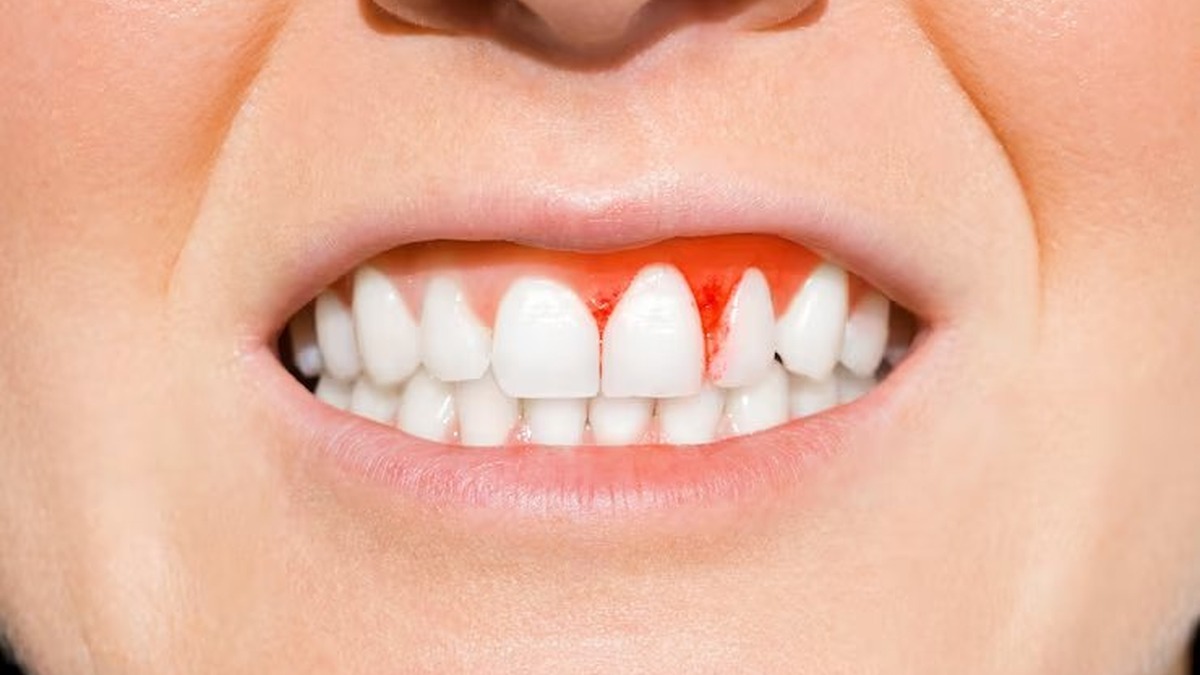
Can you reverse gum disease? Like with anything health-related, recognizing the symptoms of gum disease early gives you the best chance to reverse it. Common signs to look for include bleeding gums when brushing or flossing, swollen or tender gums, persistent bad breath, and gum redness.
Some patients also notice gums pulling away from the teeth or increased tooth sensitivity. While these symptoms may seem mild at first, do not ignore those early warning signs! Take action to help stop the progression of gum disease.
The Importance of Early Intervention
Catching gum disease in its early stages is critical for effective treatment and healing. It can be difficult to notice at first because it develops subtly, and the symptoms are often mild, making them easy to overlook. Pay close attention to swollen gums or bleeding while brushing, as these are early warning signs. Taking action at this stage is important because gum disease can still be reversed. If left untreated, bacteria continue to grow, damaging the gum tissue and potentially leading to bone loss. Regular dental checkups are essential, as a professional can detect gum disease even when the signs are easy to miss.
Can Gingivitis Be Reversed?
Gingivitis can absolutely be reversed with the proper, timely care and good oral hygiene. Gingivitis treatment starts with a professional deep cleaning to get rid of all the built-up plaque and tartar that cannot be removed by regular brushing. The treatment continues at home with thorough teeth brushing twice daily using fluoride toothpaste, followed by rinsing with antibacterial mouthwash, and flossing properly. It might feel tedious, but it is very important to consistently tend to your oral hygiene at home and keep up with regular professional cleaning to prevent plaque buildup. With time and care, your gum disease will be cured, and your oral health will be at its best!
Habits to Avoid for Better Gum Health
There are several life habits that affect your oral health. For instance, alcohol consumption tends to dry your mouth, reducing saliva, which is important for cleaning your mouth of bacteria. Smoking tobacco, along with stress and lack of sleep, lowers your immune system, the ability to fight infections, making it easier for gum disease to develop faster.
Sometimes, simple life changes such as stress management, proper sleep, diet improvement, quitting smoking, and reducing alcohol consumption are all you need to keep your health in check and prevent gum disease from developing.
Understanding Treatment Options
If gum disease has developed beyond gingivitis, do not worry; there are still advanced gum disease treatment options available.
Treatment for advanced gum disease includes scaling and root planing, which is a non-surgical option. It is essentially a deep-cleaning procedure that removes plaque and tartar below the gum line. Another option is laser therapy, which is an alternative way to remove stubborn bacteria and heal the gum.
In some cases, more advanced gum disease treatments are needed. Your dentists might offer surgical periodontal treatments such as pocket reduction surgery or gum grafting. It is highly effective in restoring tissue that was lost to gum disease and preventing future damage.
Speak with a periodontist, a gum care specialist, to discuss the best treatment options for you.
Maintaining Gum Health Post-Treatment
Oral care does not end with treatment for advanced gum disease. Maintaining good gum health is a significant part of the healing and recovery process. That includes proper brushing and flossing techniques as well as rinsing with antibacterial mouthwash. This keeps your oral health in check, leading you to feel better and smile confidently!
Long-term Strategies for Gum Health
Given how important your oral health is, make sure to schedule regular dental visits to prevent future pain and discomfort. Keep educating yourself on oral health and hygiene to be informed and aware of how to properly care for and promote long-term gum health.
FAQs
Can you reverse gum disease so it is completely cured?
In its early stages, gum disease can be completely reversed with proper professional and at-home treatment. However, advanced gum issues like periodontitis cannot be cured, only managed through professional treatment.
How often should I visit the dentist for gum health?
We recommend visiting a dentist every six months for a proper checkup and cleaning to prevent any issues from developing.
What are the risks of ignoring gum disease?
If gum disease goes untreated, it may lead to irreversible damage such as tooth loss, tissue loss, and bone damage.
How quickly can you reverse gum disease?
One to two weeks of proper oral hygiene can reverse mild gingivitis, though if it is more severe, it might take longer and require more professional treatment.
What is Gum Disease?
Gum disease, also known as periodontal disease, is an infection in the gum and tissue supporting your teeth. It is one of the most common oral health problems and often goes unnoticed, especially in its early stages. Your mouth is like a car- it needs regular maintenance or else the issues will pile up and may cause serious damage. Gum disease develops when you neglect your oral health and don't brush your teeth properly, causing plaque and bacteria to build up along the gum line. It then hardens into tartar and causes inflammation and irritation.
The first and mildest stage of gum disease is called gingivitis. If you take care of it early on, this stage is totally reversible. But if you neglect to deal with it, gum disease moves to the next and more severe stage called periodontitis. This is when the infection spreads deeper into the bone and connective tissue. Unfortunately, periodontitis cannot be fully reversed, but its symptoms can be reduced and well-managed with proper at-home oral care and professional dental treatment.
How to Reverse Gum Disease: Recognizing Symptoms for Better Oral Health
Can you reverse gum disease? Like with anything health-related, recognizing the symptoms of gum disease early gives you the best chance to reverse it. Common signs to look for include bleeding gums when brushing or flossing, swollen or tender gums, persistent bad breath, and gum redness.
Some patients also notice gums pulling away from the teeth or increased tooth sensitivity. While these symptoms may seem mild at first, do not ignore those early warning signs! Take action to help stop the progression of gum disease.
The Importance of Early Intervention
Catching gum disease in its early stages is critical for effective treatment and healing. It can be difficult to notice at first because it develops subtly, and the symptoms are often mild, making them easy to overlook. Pay close attention to swollen gums or bleeding while brushing, as these are early warning signs. Taking action at this stage is important because gum disease can still be reversed. If left untreated, bacteria continue to grow, damaging the gum tissue and potentially leading to bone loss. Regular dental checkups are essential, as a professional can detect gum disease even when the signs are easy to miss.
Can Gingivitis Be Reversed?
Gingivitis can absolutely be reversed with the proper, timely care and good oral hygiene. Gingivitis treatment starts with a professional deep cleaning to get rid of all the built-up plaque and tartar that cannot be removed by regular brushing. The treatment continues at home with thorough teeth brushing twice daily using fluoride toothpaste, followed by rinsing with antibacterial mouthwash, and flossing properly. It might feel tedious, but it is very important to consistently tend to your oral hygiene at home and keep up with regular professional cleaning to prevent plaque buildup. With time and care, your gum disease will be cured, and your oral health will be at its best!
Habits to Avoid for Better Gum Health
There are several life habits that affect your oral health. For instance, alcohol consumption tends to dry your mouth, reducing saliva, which is important for cleaning your mouth of bacteria. Smoking tobacco, along with stress and lack of sleep, lowers your immune system, the ability to fight infections, making it easier for gum disease to develop faster.
Sometimes, simple life changes such as stress management, proper sleep, diet improvement, quitting smoking, and reducing alcohol consumption are all you need to keep your health in check and prevent gum disease from developing.
Understanding Treatment Options
If gum disease has developed beyond gingivitis, do not worry; there are still advanced gum disease treatment options available.
Treatment for advanced gum disease includes scaling and root planing, which is a non-surgical option. It is essentially a deep-cleaning procedure that removes plaque and tartar below the gum line. Another option is laser therapy, which is an alternative way to remove stubborn bacteria and heal the gum.
In some cases, more advanced gum disease treatments are needed. Your dentists might offer surgical periodontal treatments such as pocket reduction surgery or gum grafting. It is highly effective in restoring tissue that was lost to gum disease and preventing future damage.
Speak with a periodontist, a gum care specialist, to discuss the best treatment options for you.
Maintaining Gum Health Post-Treatment
Oral care does not end with treatment for advanced gum disease. Maintaining good gum health is a significant part of the healing and recovery process. That includes proper brushing and flossing techniques as well as rinsing with antibacterial mouthwash. This keeps your oral health in check, leading you to feel better and smile confidently!
Long-term Strategies for Gum Health
Given how important your oral health is, make sure to schedule regular dental visits to prevent future pain and discomfort. Keep educating yourself on oral health and hygiene to be informed and aware of how to properly care for and promote long-term gum health.
FAQs
Can you reverse gum disease so it is completely cured?
In its early stages, gum disease can be completely reversed with proper professional and at-home treatment. However, advanced gum issues like periodontitis cannot be cured, only managed through professional treatment.
How often should I visit the dentist for gum health?
We recommend visiting a dentist every six months for a proper checkup and cleaning to prevent any issues from developing.
What are the risks of ignoring gum disease?
If gum disease goes untreated, it may lead to irreversible damage such as tooth loss, tissue loss, and bone damage.
How quickly can you reverse gum disease?
One to two weeks of proper oral hygiene can reverse mild gingivitis, though if it is more severe, it might take longer and require more professional treatment.
Related Articles
find a location