How Long Do Dental Implants Last? A Complete Guide to Implant Longevity
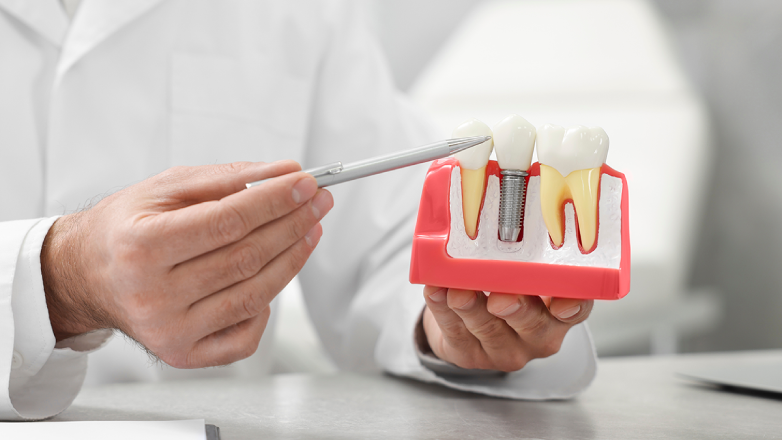
When you invest in your smile and oral health, you want something that’s truly built to last, and dental implants are designed with that in mind. The titanium implant post, which replaces your natural tooth root, can often last a lifetime with proper care. It works through a process called osseointegration, where the implant fuses directly with your jawbone. This creates a strong, stable foundation that functions just like a natural tooth, giving you long-term reliability and comfort.
The other parts of the implant are also durable but need replacement over time. The abutment (the connector piece) typically lasts about 15 to 20 years, and the crown usually lasts 10 to 15 years due to normal wear from chewing and daily use. Even with these updates, implants tend to outlast traditional options like bridges, which often need full replacement every 10 to 15 years, and dentures, which need replacement every 5 to 8 years. Because the implant post itself stays in place, dental implants offer excellent long-term value and are one of the closest solutions to having your natural teeth back.
Dental Implant Lifespan Comparison Table
Dental Implant Success Rates
Dental implant success rates are between 95% and 98%. Whether you are replacing a single tooth or an entire arch, our clinical data consistently shows that implants are the most reliable way to restore your smile with confidence.
Overall Clinical Success Rates
- 10-year survival: 97% (single implants), 94% (all types)
- 15-year survival: 94% implant-level, 86% patient-level
- 20-year survival: 82-89% with proper maintenance
- Lifetime success potential: 80-90% with excellent care
Success Rates by Location
- Mandibular (lower jaw): 98% at 10 years
- Maxillary (upper jaw): 95% at 10 years
- Anterior: 96-98% highest success
- Posterior: 92-95% bone density challenges
Success Rates by Implant Type
Primary Failure Causes
- Peri-implantitis: 40% of failures (infection)
- Mechanical: 25% (screw loosening)
- Biological: 20% (poor osseointegration)
- Patient factors: 15% (smoking, diabetes)
Factors Affecting Dental Implant Longevity
Several key factors influence the longevity of your dental implants. First, your overall health plays a big role: things like great bone density, managing conditions like uncontrolled diabetes, and having a healthy jawbone are essential. The good news is that many factors are within your control: for example, maintaining good daily hygiene and getting a professional cleaning twice a year can boost your success. We also recommend managing issues like teeth grinding (bruxism) with a nightguard to make sure your implant stays stable and secure.
Biological Factors
Bone Quality (Misch Classification):
- Type I/II: 98% success (dense bone)
- Type III: 92% success (soft bone)
- Type IV: 85% success (very soft)
Systemic Health:
- Uncontrolled diabetes: 2.17x failure risk
- Osteoporosis: 1.8x risk
- Radiation history: 3x risk
Behavioral & Lifestyle Factors
Mechanical & Design Factors
- Implant Length: Short (<11.5mm) = 3.5x failure
- Diameter: Narrow (<3.75mm) = 2.8x failure
- Surface Treatment: SLA > machined titanium (15% better)
- Load Distribution: Immediate loading = higher early failure
Clinical Placement Factors
- Angulation: >30° increases failure 2x
- Prosthetic Design: Overdentures > fixed bridges
- Surgical Technique: Guided surgery = 5% higher success
Dental Implant Maintenance Tips
Caring for your dental implants is key to having them last longer. Follow our dental implant maintenance tips that we recommend:
Daily Home Care Protocol
Morning Routine:
- Soft-bristle brush + non-abrasive paste
- Implant floss threader around abutments
- Proxy brush in all gaps
- Antimicrobial rinse 30 seconds
Evening Routine:
- Same as morning + electric toothbrush
- Use a water flosser on a low setting
- Nightguard, if you are grinding
- Use a tongue scraper
Professional Maintenance Schedule
Warning Signs Requiring Immediate Care
If you ever notice any pain or swelling around your implant that lasts more than three days after your procedure, or if your gums start receding and you can see metal, please call us right away. It's also important to contact us immediately if you feel any mobility or clicking, experience a bad taste or odor coming from the implant site, or if you notice that your crown feels loose or a screw is exposed. We are here to help address these issues quickly to keep your oral health in check!
Why Choose Riccobene for Affordable Dental Implants
At Riccobene, you will be treated by board-certified implant specialists with years of experience and a high success rate, ensuring your smile is in the most skilled hands. We use advanced technology and a gentle approach to ensure your procedure is precise and efficient, keeping you comfortable throughout. Additionally, we provide affordable solutions by coordinating flexible financing options and accepting a wide range of dental insurance plans. We strive to make our office a warm, inviting, and patient-friendly place where you can keep smiling confidently. Schedule your appointment today to get your dream smile!
Frequently Asked Questions About Dental Implants
What is the average life of dental implants?
The titanium post is designed to be permanent. Through a natural process called osseointegration, the post fuses with your jawbone, acting just like a natural tooth root.
Why do I need to replace the crown if the implant is permanent?
Your custom crown, which is the visible part that does all the chewing, naturally wears out over time from daily use, grinding, and acidic foods. We generally expect to replace this every 10 to 15 years to keep your smile looking beautiful and functioning.
What causes most implant failures long-term?
The risk of failure is very low, but the most common long-term cause is peri-implantitis, which is a treatable infection around the implant, mechanical issues like screw loosening, and poor osseointegration.
Can I get implants if I smoke or grind my teeth?
Yes, however, smoking is a major risk factor that doubles the chance of implant failure, so quitting, even just four weeks before and after placement, can significantly improve your outcome.
How often do implants need professional maintenance?
Caring for your implants is similar to caring for natural teeth. We recommend coming in for a professional cleaning and check-up every six months to monitor your bone levels with X-rays. Additionally, we also check on the screw stability every two years to ensure it is in perfect shape.
Will diabetes prevent implant success?
Not necessarily. While uncontrolled diabetes does increase the risk of failure, if your diabetes is under control, you can absolutely have success with dental implants.
Do implants ever need complete replacement?
The titanium implant post is designed to be a permanent solution and rarely needs complete replacement. If failure does occur (which is rare), it usually happens early on due to biological factors. With proper care and maintenance, the dental implant lifespan is permanent.
When you invest in your smile and oral health, you want something that’s truly built to last, and dental implants are designed with that in mind. The titanium implant post, which replaces your natural tooth root, can often last a lifetime with proper care. It works through a process called osseointegration, where the implant fuses directly with your jawbone. This creates a strong, stable foundation that functions just like a natural tooth, giving you long-term reliability and comfort.
The other parts of the implant are also durable but need replacement over time. The abutment (the connector piece) typically lasts about 15 to 20 years, and the crown usually lasts 10 to 15 years due to normal wear from chewing and daily use. Even with these updates, implants tend to outlast traditional options like bridges, which often need full replacement every 10 to 15 years, and dentures, which need replacement every 5 to 8 years. Because the implant post itself stays in place, dental implants offer excellent long-term value and are one of the closest solutions to having your natural teeth back.
Dental Implant Lifespan Comparison Table
Dental Implant Success Rates
Dental implant success rates are between 95% and 98%. Whether you are replacing a single tooth or an entire arch, our clinical data consistently shows that implants are the most reliable way to restore your smile with confidence.
Overall Clinical Success Rates
- 10-year survival: 97% (single implants), 94% (all types)
- 15-year survival: 94% implant-level, 86% patient-level
- 20-year survival: 82-89% with proper maintenance
- Lifetime success potential: 80-90% with excellent care
Success Rates by Location
- Mandibular (lower jaw): 98% at 10 years
- Maxillary (upper jaw): 95% at 10 years
- Anterior: 96-98% highest success
- Posterior: 92-95% bone density challenges
Success Rates by Implant Type
Primary Failure Causes
- Peri-implantitis: 40% of failures (infection)
- Mechanical: 25% (screw loosening)
- Biological: 20% (poor osseointegration)
- Patient factors: 15% (smoking, diabetes)
Factors Affecting Dental Implant Longevity
Several key factors influence the longevity of your dental implants. First, your overall health plays a big role: things like great bone density, managing conditions like uncontrolled diabetes, and having a healthy jawbone are essential. The good news is that many factors are within your control: for example, maintaining good daily hygiene and getting a professional cleaning twice a year can boost your success. We also recommend managing issues like teeth grinding (bruxism) with a nightguard to make sure your implant stays stable and secure.
Biological Factors
Bone Quality (Misch Classification):
- Type I/II: 98% success (dense bone)
- Type III: 92% success (soft bone)
- Type IV: 85% success (very soft)
Systemic Health:
- Uncontrolled diabetes: 2.17x failure risk
- Osteoporosis: 1.8x risk
- Radiation history: 3x risk
Behavioral & Lifestyle Factors
Mechanical & Design Factors
- Implant Length: Short (<11.5mm) = 3.5x failure
- Diameter: Narrow (<3.75mm) = 2.8x failure
- Surface Treatment: SLA > machined titanium (15% better)
- Load Distribution: Immediate loading = higher early failure
Clinical Placement Factors
- Angulation: >30° increases failure 2x
- Prosthetic Design: Overdentures > fixed bridges
- Surgical Technique: Guided surgery = 5% higher success
Dental Implant Maintenance Tips
Caring for your dental implants is key to having them last longer. Follow our dental implant maintenance tips that we recommend:
Daily Home Care Protocol
Morning Routine:
- Soft-bristle brush + non-abrasive paste
- Implant floss threader around abutments
- Proxy brush in all gaps
- Antimicrobial rinse 30 seconds
Evening Routine:
- Same as morning + electric toothbrush
- Use a water flosser on a low setting
- Nightguard, if you are grinding
- Use a tongue scraper
Professional Maintenance Schedule
Warning Signs Requiring Immediate Care
If you ever notice any pain or swelling around your implant that lasts more than three days after your procedure, or if your gums start receding and you can see metal, please call us right away. It's also important to contact us immediately if you feel any mobility or clicking, experience a bad taste or odor coming from the implant site, or if you notice that your crown feels loose or a screw is exposed. We are here to help address these issues quickly to keep your oral health in check!
Why Choose Riccobene for Affordable Dental Implants
At Riccobene, you will be treated by board-certified implant specialists with years of experience and a high success rate, ensuring your smile is in the most skilled hands. We use advanced technology and a gentle approach to ensure your procedure is precise and efficient, keeping you comfortable throughout. Additionally, we provide affordable solutions by coordinating flexible financing options and accepting a wide range of dental insurance plans. We strive to make our office a warm, inviting, and patient-friendly place where you can keep smiling confidently. Schedule your appointment today to get your dream smile!
Frequently Asked Questions About Dental Implants
What is the average life of dental implants?
The titanium post is designed to be permanent. Through a natural process called osseointegration, the post fuses with your jawbone, acting just like a natural tooth root.
Why do I need to replace the crown if the implant is permanent?
Your custom crown, which is the visible part that does all the chewing, naturally wears out over time from daily use, grinding, and acidic foods. We generally expect to replace this every 10 to 15 years to keep your smile looking beautiful and functioning.
What causes most implant failures long-term?
The risk of failure is very low, but the most common long-term cause is peri-implantitis, which is a treatable infection around the implant, mechanical issues like screw loosening, and poor osseointegration.
Can I get implants if I smoke or grind my teeth?
Yes, however, smoking is a major risk factor that doubles the chance of implant failure, so quitting, even just four weeks before and after placement, can significantly improve your outcome.
How often do implants need professional maintenance?
Caring for your implants is similar to caring for natural teeth. We recommend coming in for a professional cleaning and check-up every six months to monitor your bone levels with X-rays. Additionally, we also check on the screw stability every two years to ensure it is in perfect shape.
Will diabetes prevent implant success?
Not necessarily. While uncontrolled diabetes does increase the risk of failure, if your diabetes is under control, you can absolutely have success with dental implants.
Do implants ever need complete replacement?
The titanium implant post is designed to be a permanent solution and rarely needs complete replacement. If failure does occur (which is rare), it usually happens early on due to biological factors. With proper care and maintenance, the dental implant lifespan is permanent.
Related Articles
find a location