Dental Myths and Misconceptions: What’s True, What’s Not
Dental Health Myths Vs Facts Table
There are many common myths about dentistry that sound believable, but we are here to break them down and explain what’s actually true.
Hygiene myths (daily habits)
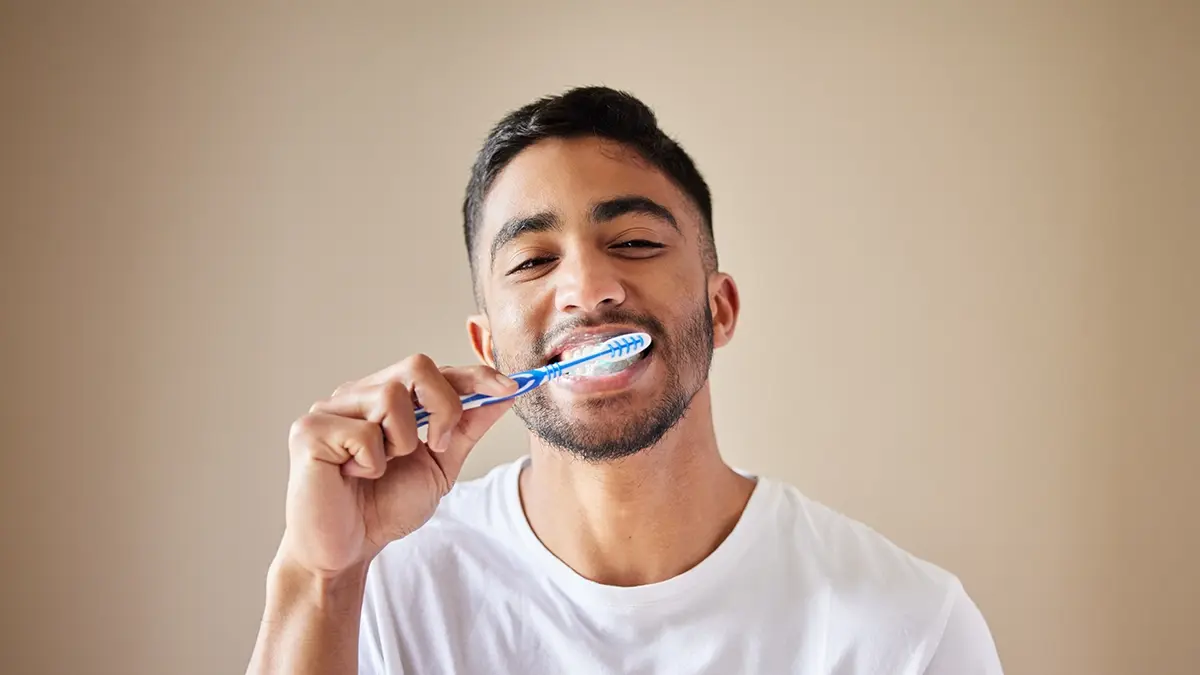
Myth: Brushing harder = cleaner.
Fact: Using too much pressure while brushing can wear down enamel and irritate gums. A soft-bristled brush with gentle pressure is the best way to clean teeth.
Myth: Flossing causes bleeding.
Fact: Bleeding often happens when gums are inflamed. With daily flossing, bleeding usually improves within 7–10 days. If it doesn’t, it’s time to consult a dentist to get to the root of the issue.
Myth: Rinse after brushing
Fact: It’s better to spit, not rinse. This allows fluoride from toothpaste to stay on your teeth longer, allowing it to do its job.
Myth: Mouthwash replaces brushing and flossing
Fact: Mouthwash helps freshen breath and reduce bacteria, but it can’t replace brushing and flossing.
Cavity & diet myths
Myth: Sugar is the only cause of cavities
Fact: All carbs, including bread and chips, can feed cavity-causing bacteria, especially when eaten frequently.
Myth: “If it doesn’t hurt, it’s fine.”
Fact: Cavities and gum disease often develop silently. You might also have a higher pain tolerance or be too preoccupied to feel any pain. Therefore, regular dental exams are important as they can catch problems early and prevent more severe damage later on.
Gum health myths
Myth: Bleeding gums are normal
Fact: Bleeding is an early sign of gingivitis. It is important to pay attention to it and take care of it promptly before it becomes irreversible.
Myth: Gum disease always means tooth loss
Fact: With early treatment and ongoing care, gum disease can be reversed or at least managed and controlled so it doesn't lead to tooth loss.
Whitening & “viral hacks” myths
Myth: Charcoal is a harmless whitening fix.
Fact: Charcoal can be abrasive and may wear down enamel over time. Therefore, it is best to avoid it or use it in moderation.
Myth: All teeth whitening weakens enamel.
Fact: When done correctly, especially under dental guidance, whitening is safe and effective.
Myth: Oil pulling “cures” cavities and gum disease
Fact: Oil pulling may freshen breath, but it doesn’t treat cavities or gum disease. Cavities or gum disease are serious dental issues and need to be treated professionally before it gets worse and causes more problems later on.
Kids & pregnancy myths
Myth: Baby teeth don’t matter because they fall out anyway.
Fact: Baby teeth matter a lot, actually. They help with spacing, speech, and preventing infection. They are there when your jaw is growing and need to be cared for properly.
Myth. Pregnancy causes tooth loss, and the baby “takes calcium” from teeth.
Fact: Hormonal changes during pregnancy and plaque sensitivity are the real reasons dental issues can flare up during pregnancy.
Pregnancy doesn't directly cause tooth loss, but hormonal changes increase risks for gum inflammation and cavities. If those go untreated, it can lead to tooth loss. Therefore, good oral hygiene and regular dental care are crucial to prevent this.
Dental myths and facts
Myth: Root canals are painful
Fact: Modern anesthesia makes root canal treatment procedures comfortable and pain-free. If you feel discomfort after the procedure over the counter medication can relieve the pain.
Myth: Dental X-rays are unsafe.
Fact: Today’s X-rays use very low radiation and are taken only when needed. We use a special apron to protect your body from the radiation, so you don't need to worry about it.
Myth: Implants look fake and don’t look natural.
Fact: Crowns are custom-made and are carefully designed to match your natural teeth, color, size, and shape.
Get Clarity About Your Dental Health
Believing myths about dentistry can lead to unnecessary worries and problems, while knowing the true facts helps protect your confidence and smile long-term. If you’re unsure about dental myths and facts, your dentist is the best source of accurate, professional guidance.
FAQs
Is bleeding after flossing normal?
Mild bleeding can happen at first, but it should improve within a week.
Should you brush right after eating?
It’s best to wait about 30 minutes after acidic foods or drinks.
Are dental X-rays safe?
Yes. Modern dental X-rays use minimal radiation and are safe and carefully monitored.
Does whitening damage enamel?
No, not when they are done properly and under professional dental guidance.
Dental Health Myths Vs Facts Table
There are many common myths about dentistry that sound believable, but we are here to break them down and explain what’s actually true.
Hygiene myths (daily habits)
Myth: Brushing harder = cleaner.
Fact: Using too much pressure while brushing can wear down enamel and irritate gums. A soft-bristled brush with gentle pressure is the best way to clean teeth.
Myth: Flossing causes bleeding.
Fact: Bleeding often happens when gums are inflamed. With daily flossing, bleeding usually improves within 7–10 days. If it doesn’t, it’s time to consult a dentist to get to the root of the issue.
Myth: Rinse after brushing
Fact: It’s better to spit, not rinse. This allows fluoride from toothpaste to stay on your teeth longer, allowing it to do its job.
Myth: Mouthwash replaces brushing and flossing
Fact: Mouthwash helps freshen breath and reduce bacteria, but it can’t replace brushing and flossing.
Cavity & diet myths
Myth: Sugar is the only cause of cavities
Fact: All carbs, including bread and chips, can feed cavity-causing bacteria, especially when eaten frequently.
Myth: “If it doesn’t hurt, it’s fine.”
Fact: Cavities and gum disease often develop silently. You might also have a higher pain tolerance or be too preoccupied to feel any pain. Therefore, regular dental exams are important as they can catch problems early and prevent more severe damage later on.
Gum health myths
Myth: Bleeding gums are normal
Fact: Bleeding is an early sign of gingivitis. It is important to pay attention to it and take care of it promptly before it becomes irreversible.
Myth: Gum disease always means tooth loss
Fact: With early treatment and ongoing care, gum disease can be reversed or at least managed and controlled so it doesn't lead to tooth loss.
Whitening & “viral hacks” myths
Myth: Charcoal is a harmless whitening fix.
Fact: Charcoal can be abrasive and may wear down enamel over time. Therefore, it is best to avoid it or use it in moderation.
Myth: All teeth whitening weakens enamel.
Fact: When done correctly, especially under dental guidance, whitening is safe and effective.
Myth: Oil pulling “cures” cavities and gum disease
Fact: Oil pulling may freshen breath, but it doesn’t treat cavities or gum disease. Cavities or gum disease are serious dental issues and need to be treated professionally before it gets worse and causes more problems later on.
Kids & pregnancy myths
Myth: Baby teeth don’t matter because they fall out anyway.
Fact: Baby teeth matter a lot, actually. They help with spacing, speech, and preventing infection. They are there when your jaw is growing and need to be cared for properly.
Myth. Pregnancy causes tooth loss, and the baby “takes calcium” from teeth.
Fact: Hormonal changes during pregnancy and plaque sensitivity are the real reasons dental issues can flare up during pregnancy.
Pregnancy doesn't directly cause tooth loss, but hormonal changes increase risks for gum inflammation and cavities. If those go untreated, it can lead to tooth loss. Therefore, good oral hygiene and regular dental care are crucial to prevent this.
Dental myths and facts
Myth: Root canals are painful
Fact: Modern anesthesia makes root canal treatment procedures comfortable and pain-free. If you feel discomfort after the procedure over the counter medication can relieve the pain.
Myth: Dental X-rays are unsafe.
Fact: Today’s X-rays use very low radiation and are taken only when needed. We use a special apron to protect your body from the radiation, so you don't need to worry about it.
Myth: Implants look fake and don’t look natural.
Fact: Crowns are custom-made and are carefully designed to match your natural teeth, color, size, and shape.
Get Clarity About Your Dental Health
Believing myths about dentistry can lead to unnecessary worries and problems, while knowing the true facts helps protect your confidence and smile long-term. If you’re unsure about dental myths and facts, your dentist is the best source of accurate, professional guidance.
FAQs
Is bleeding after flossing normal?
Mild bleeding can happen at first, but it should improve within a week.
Should you brush right after eating?
It’s best to wait about 30 minutes after acidic foods or drinks.
Are dental X-rays safe?
Yes. Modern dental X-rays use minimal radiation and are safe and carefully monitored.
Does whitening damage enamel?
No, not when they are done properly and under professional dental guidance.
Related Articles
find a location
Related Articles