Foods That Can Damage Your Teeth
We have all been told that cavities come from eating too much candy, but did you know that some of the foods you eat every day could be damaging your teeth as well? What you eat plays a major role in your oral health. Some everyday foods and drinks can quietly harm your teeth by feeding bacteria, weakening enamel, or increasing the risk of cavities. Sugary snacks, acidic drinks, and even some foods that seem healthy can contribute to long-term dental problems when you eat them too often. But you don't have to give up your favorite foods! Here we hope to break down the worst foods for teeth, explain why they cause damage, and share some simple ways to protect your smile!
What Foods Damage Your Teeth the Most?
Foods harmful to teeth often include candy, soda, citrus drinks, chips, and sticky snacks because they create the perfect environment for tooth decay and enamel erosion. The most common bad foods for teeth include sugary, acidic, sticky, and highly processed foods. These foods can:
- Feed harmful bacteria in the mouth
- Increase acid production that weakens enamel
- Stick to teeth and prolong sugar exposure
- Cause chips or cracks in enamel
How Food Affects Your Teeth
Every time you eat, the bacteria in your mouth interact with food particles left behind on your teeth. Sugary foods are the most problematic because bacteria feed on sugar and produce acid as a byproduct. That acid attacks tooth enamel, eventually leading to cavities, which we all try to avoid.
If you tend to snack a lot, you are exposing your teeth to acid attacks more often throughout the day. Acidic foods and drinks can also wear down enamel directly, even without bacteria being involved. Over time, weakened enamel causes tooth sensitivity, discoloration, and a higher risk of decay, which is not a great position to find yourself in.
Worst Foods for Your Teeth
Foods Harmful to Teeth
Sugary Foods That Cause Cavities
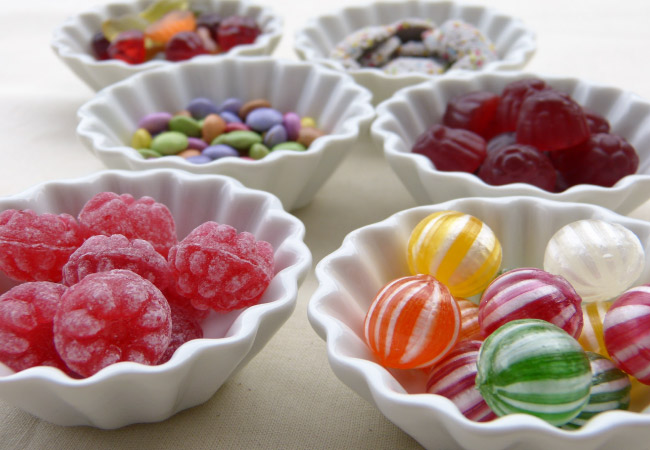
We all know that even though sugary foods such as candy, cookies, ice cream, etc., are yummy, they are one of the biggest causes of tooth decay. When sugar mixes with bacteria in plaque, acid forms and attacks enamel. Over time, this leads to cavities and weakened teeth, unfortunately. The longer sugar stays on your teeth, the more damage it can cause.
Acidic Foods & Drinks That Erode Enamel
Do you like to drink sodas, energy drinks, or sports drinks? That’s great, but keep it in moderation because acidic beverages and foods can wear away enamel. It makes teeth more sensitive and vulnerable to decay. Drinks with a low pH level are even more harmful, especially when consumed often. It is important to keep in mind that even sugar-free acidic drinks are not the healthiest option because they still contribute to enamel decay.
Sticky Foods That Stay on Teeth
Sticky foods such as dried fruits, caramels, taffy, etc., tend to cling to the surface of teeth and are harder for saliva to wash away. This means sugar and bacteria stay in contact with the enamel for longer and have more time to cause trouble. Non-sticky snacks like cheese or crunchy vegetables are usually better choices for oral health. Let’s all try to eat healthier!
Hard Foods That Can Damage Enamel
Some foods, such as hard candy, unpopped popcorn, or ice, can physically damage teeth by creating pressure that leads to cracks, chips, or enamel wear. If you keep chewing on hard objects, it can weaken your teeth over time, especially if you already have fillings or dental work.
Starchy Foods That Turn Into Sugar
White bread, crackers, chips, and pretzels are not considered sugary foods but can still be damaging to your oral health. Refined starches quickly break down into sugars in the mouth. Saliva helps convert starch into simple sugars that bacteria can feed on. These foods can also get trapped between teeth, increasing the risk of cavities.
Surprisingly “Healthy” Foods That Can Harm Teeth
Did you know that some foods that seem healthy can still be considered bad food for teeth? This is because they contain hidden sugars or acids. Examples include fruit juices, smoothies, citrus fruits, flavored yogurt, and dried fruit. These foods can still be part of a balanced diet, but like with anything else in life, it's all about balance; try to eat them in moderation.
Signs Your Diet Is Damaging Your Teeth
Your mouth often gives early warning signs when your eating habits are affecting your teeth. If you notice the following symptoms, it might be time to take a moment to think about how your diet is contributing to the problem. Watch out for:
- Tooth sensitivity
- Frequent cavities
- Yellowing or discoloration
- Bad breath
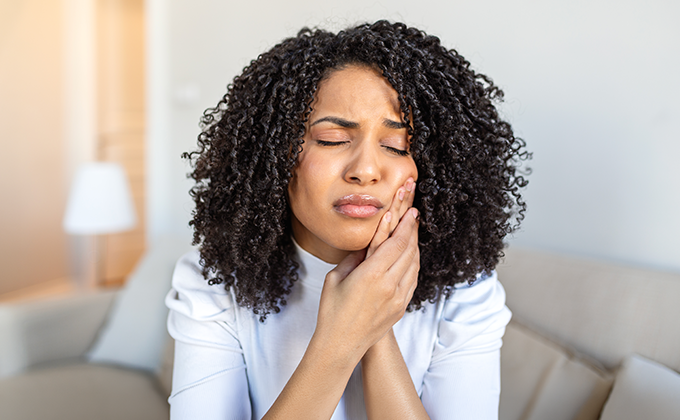
- Tooth pain
- Rough or worn enamel
- Increased plaque buildup
How to Protect Your Teeth Without Giving Up Your Favorite Foods
You do not have to completely avoid your favorite snacks to keep your teeth healthy. We just want to suggest some small habit changes that can make a big difference in helping reduce acid exposure and protect enamel. Here are some helpful tips we recommend:
- Drink water after meals
- Use a straw for acidic drinks
- Limit frequent snacking
- Eat sugary foods with meals instead of alone
- Wait about 30 minutes before brushing after acidic foods
- Choose crunchy vegetables and cheese as snacks
- Maintain regular brushing and flossing habits
When to See a Dentist About Tooth Damage
Don’t freak out if you are experiencing occasional tooth sensitivity or staining. This is normal. However, if it is an ongoing issue, it should be checked by a dentist. Early treatment can help prevent more serious dental problems and protect your long-term oral health. Schedule a dental visit if you experience:
- Persistent tooth sensitivity
- Pain while eating or drinking
- Visible cracks or chips
- Frequent cavities
- Gum irritation
- Signs of enamel wear
Conclusion: Why Choose Riccobene for Preventive Dental Care
At Riccobene, we put a lot of effort into preventive care because it is such a big part of helping you keep a healthy smile. From routine cleanings to personalized guidance on diet and oral hygiene, our dedicated team is here to help you identify problems early so that you can protect your teeth with practical, everyday habits.
Regular checkups, professional cleanings, and healthy habits can go a long way toward preventing cavities, enamel erosion, and long-term tooth damage. We are here to make sure that you keep smiling confidently and pain-free!
FAQs
What foods help strengthen your teeth?
Foods rich in calcium and phosphorus, such as cheese, yogurt, milk, leafy greens, almonds, carrots, and celery, can help strengthen teeth.
What are smart eating habits for healthy teeth?
To support your oral health, try limiting unhealthy foods for teeth, such as sugary snacks, drinking water regularly, eating balanced meals, and avoiding constant snacking.
Should you rinse your mouth after eating?
Yes. Rinsing with water after meals can help wash away food particles, sugar, and acids that can damage enamel.
Does using a straw protect your teeth?
Yes, using a straw can help reduce contact between acidic drinks and your teeth, which can lower the risk of enamel erosion.
How long should you wait to brush your teeth after eating?
It is best to wait about 30 minutes after eating acidic foods or drinks before brushing. Brushing too soon can damage softened enamel.
What are the most unhealthy foods for teeth?
Foods bad for teeth include sticky and sugary foods. They are often considered the worst foods for teeth because they feed bacteria and remain on teeth for longer periods.
What is the 3-3-3 rule for teeth?
The 3-3-3 rule is a simple reminder to brush your teeth 3 times a day, for 3 minutes each time, and avoid eating for 3 hours before bedtime.
What drink cleans your teeth?
Water is the best drink for your teeth because it helps rinse away food particles, neutralizes acids, and keeps your mouth hydrated.
We have all been told that cavities come from eating too much candy, but did you know that some of the foods you eat every day could be damaging your teeth as well? What you eat plays a major role in your oral health. Some everyday foods and drinks can quietly harm your teeth by feeding bacteria, weakening enamel, or increasing the risk of cavities. Sugary snacks, acidic drinks, and even some foods that seem healthy can contribute to long-term dental problems when you eat them too often. But you don't have to give up your favorite foods! Here we hope to break down the worst foods for teeth, explain why they cause damage, and share some simple ways to protect your smile!
What Foods Damage Your Teeth the Most?
Foods harmful to teeth often include candy, soda, citrus drinks, chips, and sticky snacks because they create the perfect environment for tooth decay and enamel erosion. The most common bad foods for teeth include sugary, acidic, sticky, and highly processed foods. These foods can:
- Feed harmful bacteria in the mouth
- Increase acid production that weakens enamel
- Stick to teeth and prolong sugar exposure
- Cause chips or cracks in enamel
How Food Affects Your Teeth
Every time you eat, the bacteria in your mouth interact with food particles left behind on your teeth. Sugary foods are the most problematic because bacteria feed on sugar and produce acid as a byproduct. That acid attacks tooth enamel, eventually leading to cavities, which we all try to avoid.
If you tend to snack a lot, you are exposing your teeth to acid attacks more often throughout the day. Acidic foods and drinks can also wear down enamel directly, even without bacteria being involved. Over time, weakened enamel causes tooth sensitivity, discoloration, and a higher risk of decay, which is not a great position to find yourself in.
Worst Foods for Your Teeth
Foods Harmful to Teeth
Sugary Foods That Cause Cavities
We all know that even though sugary foods such as candy, cookies, ice cream, etc., are yummy, they are one of the biggest causes of tooth decay. When sugar mixes with bacteria in plaque, acid forms and attacks enamel. Over time, this leads to cavities and weakened teeth, unfortunately. The longer sugar stays on your teeth, the more damage it can cause.
Acidic Foods & Drinks That Erode Enamel
Do you like to drink sodas, energy drinks, or sports drinks? That’s great, but keep it in moderation because acidic beverages and foods can wear away enamel. It makes teeth more sensitive and vulnerable to decay. Drinks with a low pH level are even more harmful, especially when consumed often. It is important to keep in mind that even sugar-free acidic drinks are not the healthiest option because they still contribute to enamel decay.
Sticky Foods That Stay on Teeth
Sticky foods such as dried fruits, caramels, taffy, etc., tend to cling to the surface of teeth and are harder for saliva to wash away. This means sugar and bacteria stay in contact with the enamel for longer and have more time to cause trouble. Non-sticky snacks like cheese or crunchy vegetables are usually better choices for oral health. Let’s all try to eat healthier!
Hard Foods That Can Damage Enamel
Some foods, such as hard candy, unpopped popcorn, or ice, can physically damage teeth by creating pressure that leads to cracks, chips, or enamel wear. If you keep chewing on hard objects, it can weaken your teeth over time, especially if you already have fillings or dental work.
Starchy Foods That Turn Into Sugar
White bread, crackers, chips, and pretzels are not considered sugary foods but can still be damaging to your oral health. Refined starches quickly break down into sugars in the mouth. Saliva helps convert starch into simple sugars that bacteria can feed on. These foods can also get trapped between teeth, increasing the risk of cavities.
Surprisingly “Healthy” Foods That Can Harm Teeth
Did you know that some foods that seem healthy can still be considered bad food for teeth? This is because they contain hidden sugars or acids. Examples include fruit juices, smoothies, citrus fruits, flavored yogurt, and dried fruit. These foods can still be part of a balanced diet, but like with anything else in life, it's all about balance; try to eat them in moderation.
Signs Your Diet Is Damaging Your Teeth
Your mouth often gives early warning signs when your eating habits are affecting your teeth. If you notice the following symptoms, it might be time to take a moment to think about how your diet is contributing to the problem. Watch out for:
- Tooth sensitivity
- Frequent cavities
- Yellowing or discoloration
- Bad breath
- Tooth pain
- Rough or worn enamel
- Increased plaque buildup
How to Protect Your Teeth Without Giving Up Your Favorite Foods
You do not have to completely avoid your favorite snacks to keep your teeth healthy. We just want to suggest some small habit changes that can make a big difference in helping reduce acid exposure and protect enamel. Here are some helpful tips we recommend:
- Drink water after meals
- Use a straw for acidic drinks
- Limit frequent snacking
- Eat sugary foods with meals instead of alone
- Wait about 30 minutes before brushing after acidic foods
- Choose crunchy vegetables and cheese as snacks
- Maintain regular brushing and flossing habits
When to See a Dentist About Tooth Damage
Don’t freak out if you are experiencing occasional tooth sensitivity or staining. This is normal. However, if it is an ongoing issue, it should be checked by a dentist. Early treatment can help prevent more serious dental problems and protect your long-term oral health. Schedule a dental visit if you experience:
- Persistent tooth sensitivity
- Pain while eating or drinking
- Visible cracks or chips
- Frequent cavities
- Gum irritation
- Signs of enamel wear
Conclusion: Why Choose Riccobene for Preventive Dental Care
At Riccobene, we put a lot of effort into preventive care because it is such a big part of helping you keep a healthy smile. From routine cleanings to personalized guidance on diet and oral hygiene, our dedicated team is here to help you identify problems early so that you can protect your teeth with practical, everyday habits.
Regular checkups, professional cleanings, and healthy habits can go a long way toward preventing cavities, enamel erosion, and long-term tooth damage. We are here to make sure that you keep smiling confidently and pain-free!
FAQs
What foods help strengthen your teeth?
Foods rich in calcium and phosphorus, such as cheese, yogurt, milk, leafy greens, almonds, carrots, and celery, can help strengthen teeth.
What are smart eating habits for healthy teeth?
To support your oral health, try limiting unhealthy foods for teeth, such as sugary snacks, drinking water regularly, eating balanced meals, and avoiding constant snacking.
Should you rinse your mouth after eating?
Yes. Rinsing with water after meals can help wash away food particles, sugar, and acids that can damage enamel.
Does using a straw protect your teeth?
Yes, using a straw can help reduce contact between acidic drinks and your teeth, which can lower the risk of enamel erosion.
How long should you wait to brush your teeth after eating?
It is best to wait about 30 minutes after eating acidic foods or drinks before brushing. Brushing too soon can damage softened enamel.
What are the most unhealthy foods for teeth?
Foods bad for teeth include sticky and sugary foods. They are often considered the worst foods for teeth because they feed bacteria and remain on teeth for longer periods.
What is the 3-3-3 rule for teeth?
The 3-3-3 rule is a simple reminder to brush your teeth 3 times a day, for 3 minutes each time, and avoid eating for 3 hours before bedtime.
What drink cleans your teeth?
Water is the best drink for your teeth because it helps rinse away food particles, neutralizes acids, and keeps your mouth hydrated.
Related Articles
find a location
Related Articles